🏰 General Information – Beylerbeyi Palace
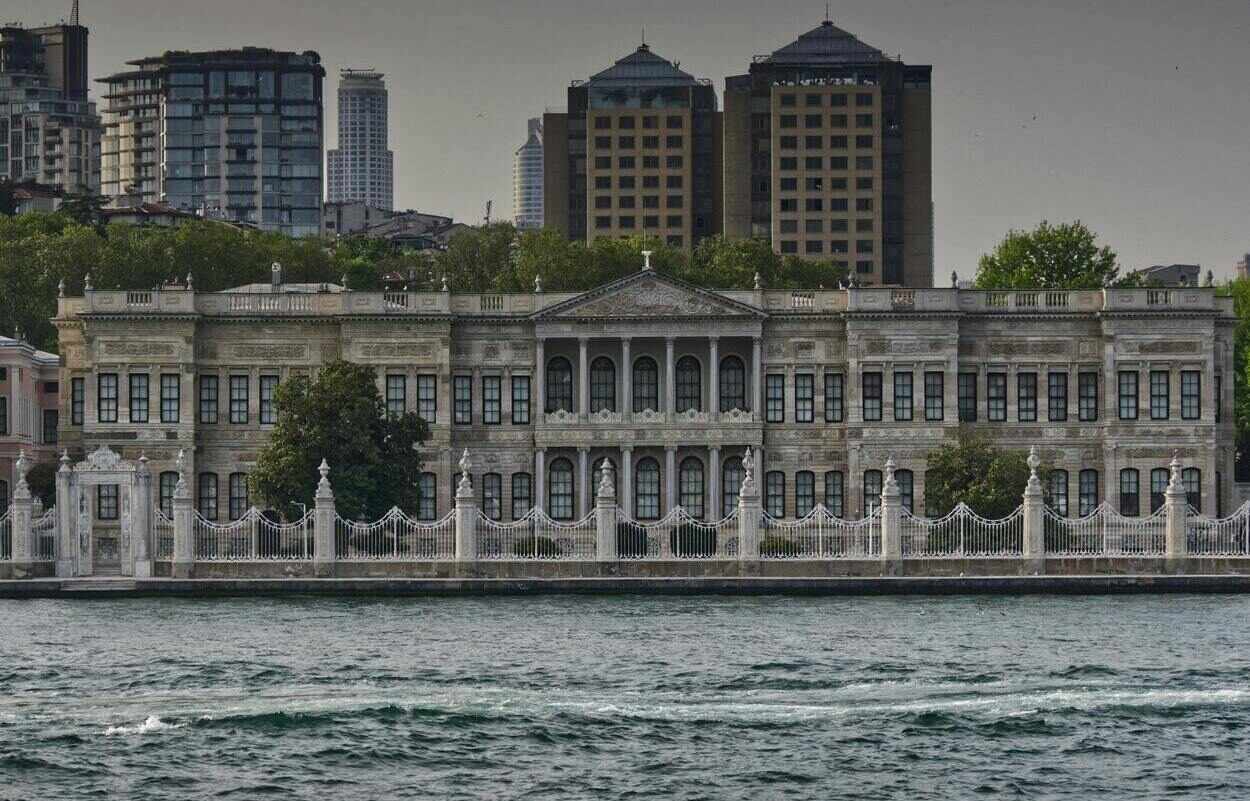
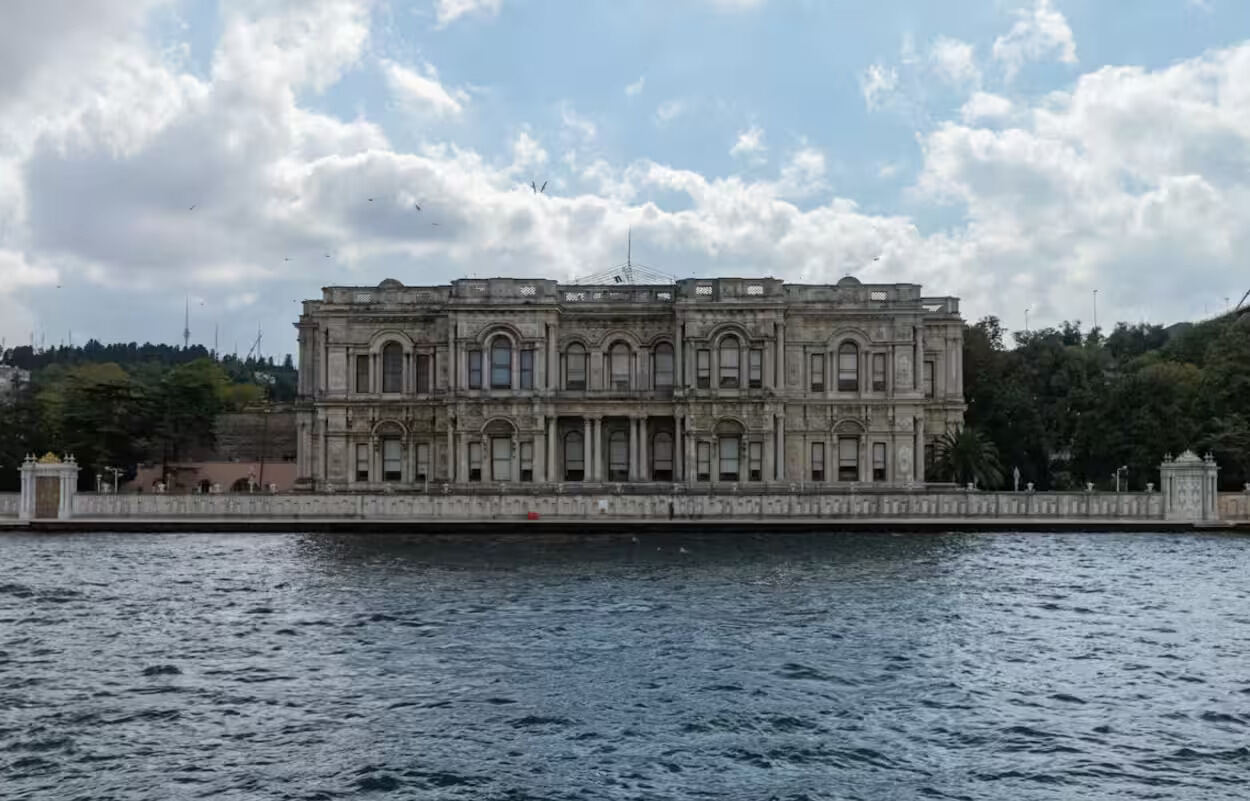
📍 Location: Beylerbeyi Palace is located in the Üsküdar district on the Asian shore of the Bosphorus in Istanbul, positioned just beneath the Bosphorus Bridge with direct waterfront access.
🏗️ Construction Date: Built between 1861 – 1865 under the orders of Sultan Abdülaziz during the late Ottoman modernization period.
👷 Architects: Designed by renowned imperial architects Sarkis Balyan and Agop Balyan, members of the famous Balyan family responsible for many Ottoman palaces.
🌟 Feature: Served as the Ottoman Empire’s prestigious summer residence and state guesthouse. The palace represents a rare architectural harmony combining Baroque, Rococo, Neoclassical European styles with traditional Turkish residential architecture.
🏛️ Official Name: Beylerbeyi Palace (Beylerbeyi Sarayı) is considered one of the most elegant waterfront palaces built during the 19th-century Ottoman westernization era.
📜 History
🏛️ The area where Beylerbeyi Palace stands has been occupied since Byzantine times, functioning as a strategic settlement overlooking the Bosphorus crossing.
🔥 During the Ottoman period, Sultan Mahmud I commissioned a wooden seaside palace on the same site. This earlier structure was later destroyed by a devastating fire, prompting plans for a more permanent imperial residence.
🏰 Sultan Abdülaziz ordered the construction of the present stone palace to create a luxurious summer residence reflecting Ottoman power and modern aesthetics.
🤝 Beylerbeyi Palace became an important diplomatic venue hosting prestigious foreign guests including the Shah of Iran, Empress Eugénie of France, Prince Nikola of Montenegro, and Emperor Franz Joseph of Austria-Hungary.
👑 After his dethronement in 1909, Sultan Abdülhamid II spent his final years under supervision at Beylerbeyi Palace and passed away here in 1918, giving the palace a significant political and historical role.
🕰️ Throughout the late Ottoman era, the palace symbolized imperial hospitality and was used to impress visiting leaders with Ottoman refinement, technological modernization, and artistic sophistication.
🎨 Architecture & Interior
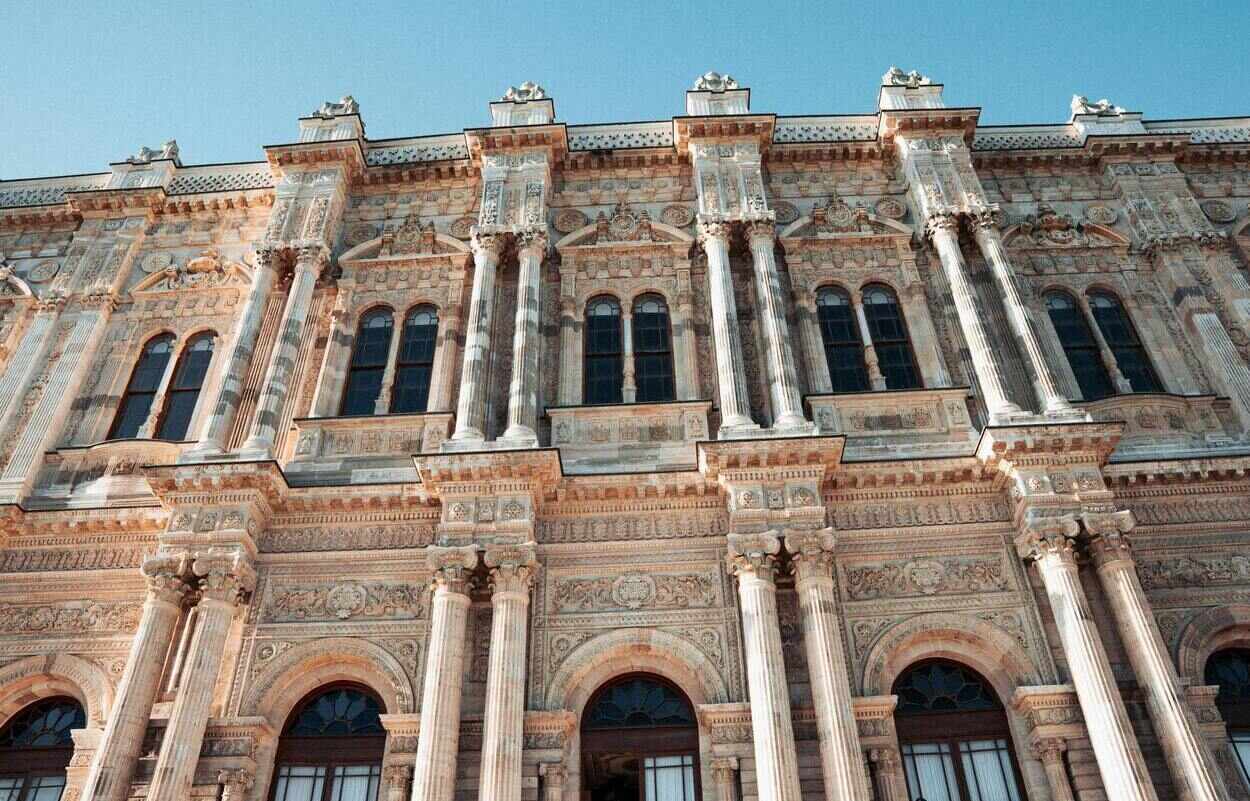
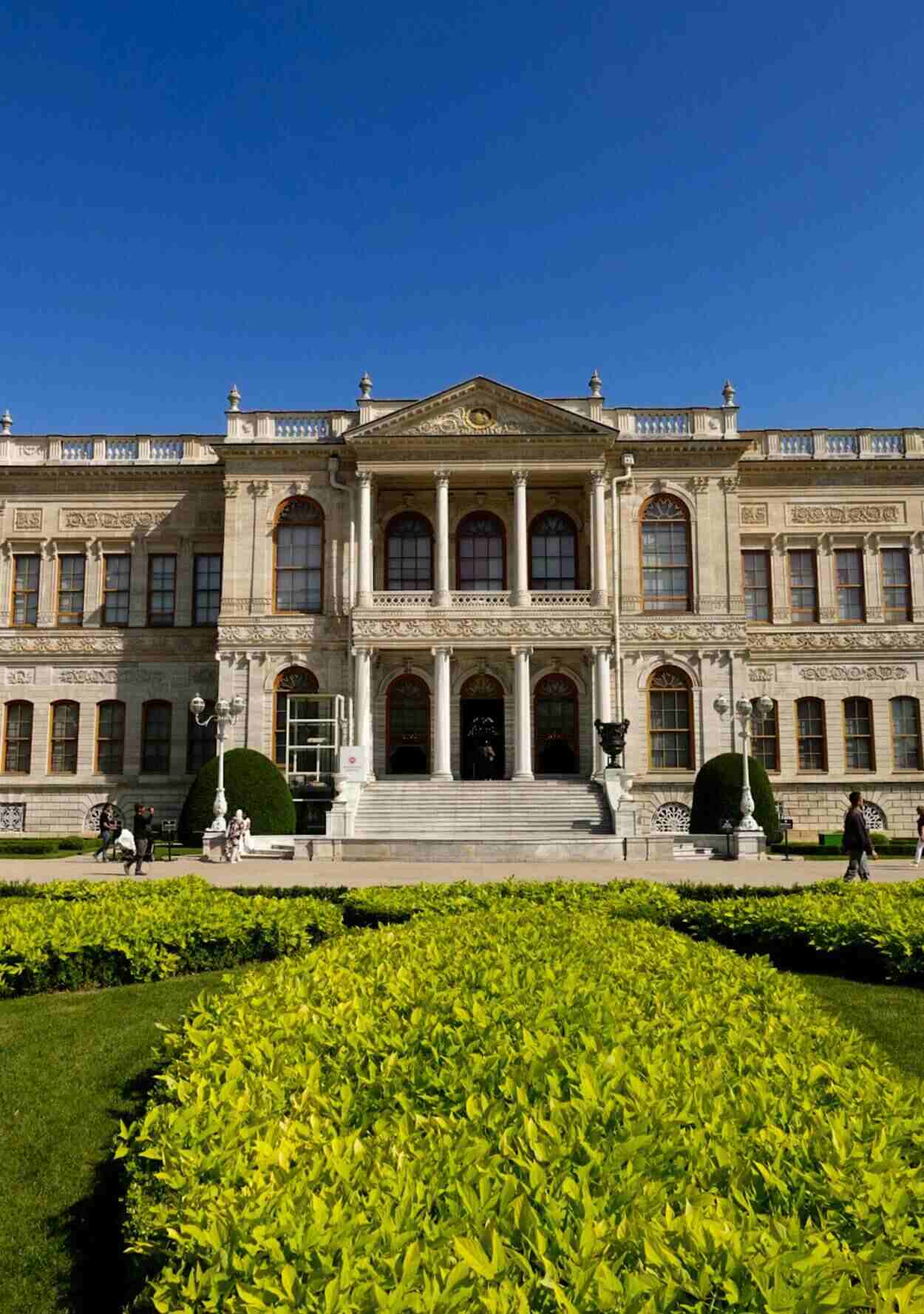
🏛️ Style: Beylerbeyi Palace reflects a fusion of European Baroque, Rococo, and Neoclassical influences integrated with traditional Ottoman house planning principles.
🏠 Structure: The palace consists of three main levels — basement, ground floor, and upper floor — organized around spacious ceremonial halls.
🚪 Rooms: The complex contains 26 rooms and 6 grand halls designed for official receptions, private living, and ceremonial gatherings.
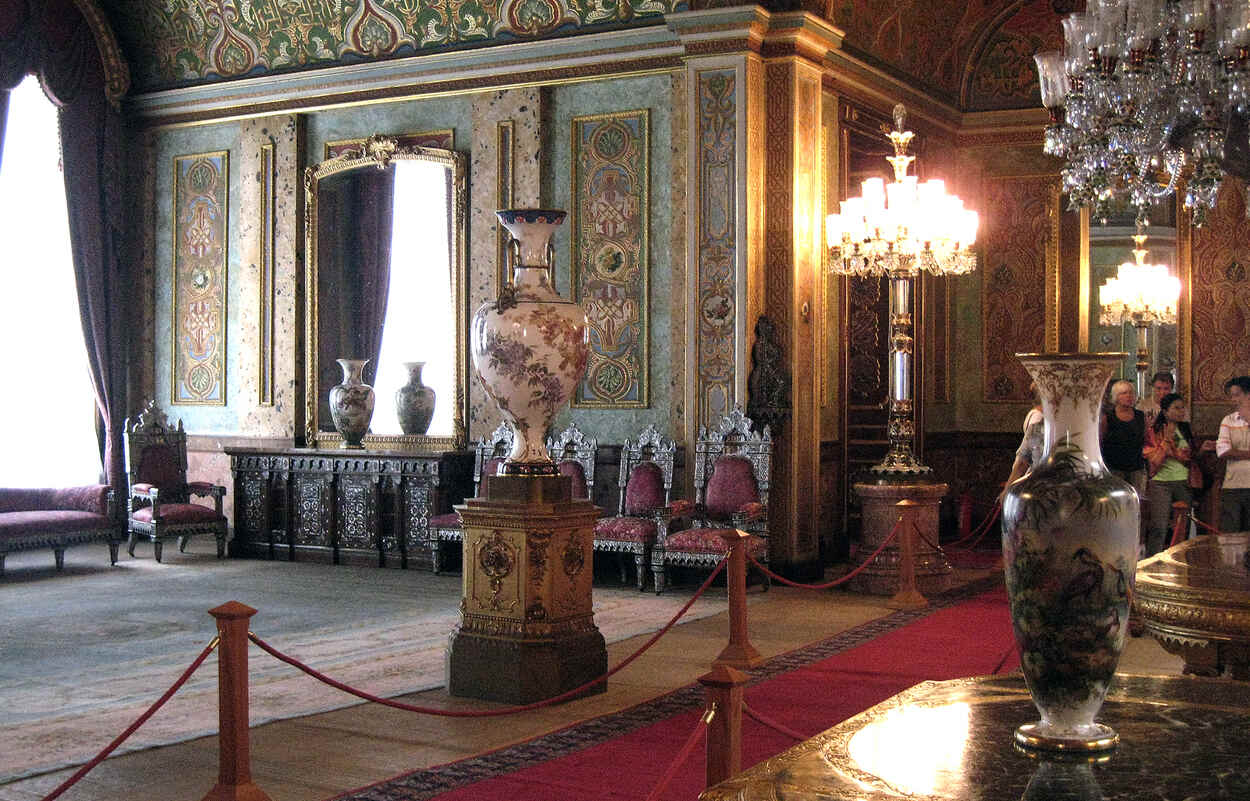
✨ Decoration: Interiors feature marble columns, ornate ceilings, Bohemian crystal chandeliers, Hereke silk carpets, French clocks, and exquisite Chinese and Japanese porcelains reflecting global artistic exchange.
❄️ Climate Design: Special marble pools and fountains inside the halls were designed to cool interiors naturally during Istanbul’s hot summers.
🌳 Gardens: Terraced gardens decorated with sculptures, pools, and exotic plants extend toward a private quay opening directly to the Bosphorus, allowing royal boats to dock at the palace.
🪟 Large windows maximize natural daylight and create uninterrupted Bosphorus views, reinforcing the palace’s strong connection with the surrounding landscape.
🌍 Cultural Importance
🌉 Beylerbeyi Palace is one of the most important imperial palaces along the Bosphorus and a key example of late Ottoman palace architecture.
🕰️ The structure reflects the Westernization and modernization reforms of the Ottoman Empire during the 19th century, demonstrating how European artistic trends influenced Ottoman elite life.
🎭 The palace serves today as a museum complex, attracting visitors interested in Ottoman history, royal lifestyle, and architectural heritage.
📸 Its waterfront location beneath the Bosphorus Bridge makes it a favorite destination for photographers, historians, and cultural travelers exploring Istanbul.
🌍 Beylerbeyi Palace represents the diplomatic face of the Ottoman Empire, illustrating how architecture was used as a political tool to express prestige and international sophistication.
🕒 Visitor Information (2025)
⏰ Opening Hours: 09:00 – 17:00
🚫 Closed On: Monday
🎟️ Entrance Fees:
- Adults: 200 TL
- Students / Discounted: 100 TL
- Children under 6: Free
📷 Visitor Tips: Photography is allowed in exterior areas, while interior photography rules may vary depending on preservation policies.
🚶 Access: Easily reachable by ferry, bus, or taxi from Üsküdar and Kadıköy districts. The palace is located directly along the Bosphorus coastal road.
🌅 Best Time to Visit: Morning hours provide quieter exploration, while afternoon visits offer spectacular Bosphorus lighting conditions.
🌟 Significance
Beylerbeyi Palace combines Ottoman imperial elegance with the natural beauty of the Bosphorus, making it one of Istanbul’s most refined historical landmarks. Unlike larger palace complexes such as Topkapı or Dolmabahçe, Beylerbeyi offers a more intimate yet equally luxurious insight into royal life.
Functioning both as a summer residence and diplomatic guesthouse, the palace played a crucial role in international relations during the late Ottoman period. Its architecture demonstrates how the empire embraced European artistic movements while preserving traditional Ottoman spatial organization.
Today, Beylerbeyi Palace stands as an important cultural heritage site representing Ottoman modernization, architectural innovation, and royal lifestyle. Visitors exploring Istanbul historical palaces, Bosphorus landmarks, and Ottoman imperial architecture consider Beylerbeyi Palace an essential stop.
With its elegant halls, terraced gardens, waterfront setting, and rich historical narrative, Beylerbeyi Palace continues to offer one of the most authentic experiences of Ottoman palace culture in Istanbul.
You’ll regret it if you see Beylerbeyi Palace but not Dolmabahçe Palace 🙂