🏛️ Sumela Monastery Travel Guide
Nestled dramatically on the steep cliffs of the Pontic Mountains in northeastern Turkey, Sumela Monastery is one of the country’s most breathtaking historical landmarks. Known for its stunning location, ancient frescoes, and deep religious significance, this remarkable site attracts thousands of travelers every year. Whether you are a history enthusiast, nature lover, photographer, or cultural explorer, this comprehensive Sumela Monastery Travel Guide will help you plan the perfect visit.
📖 Overview of Sumela Monastery
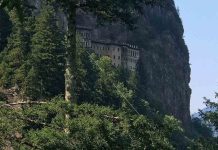
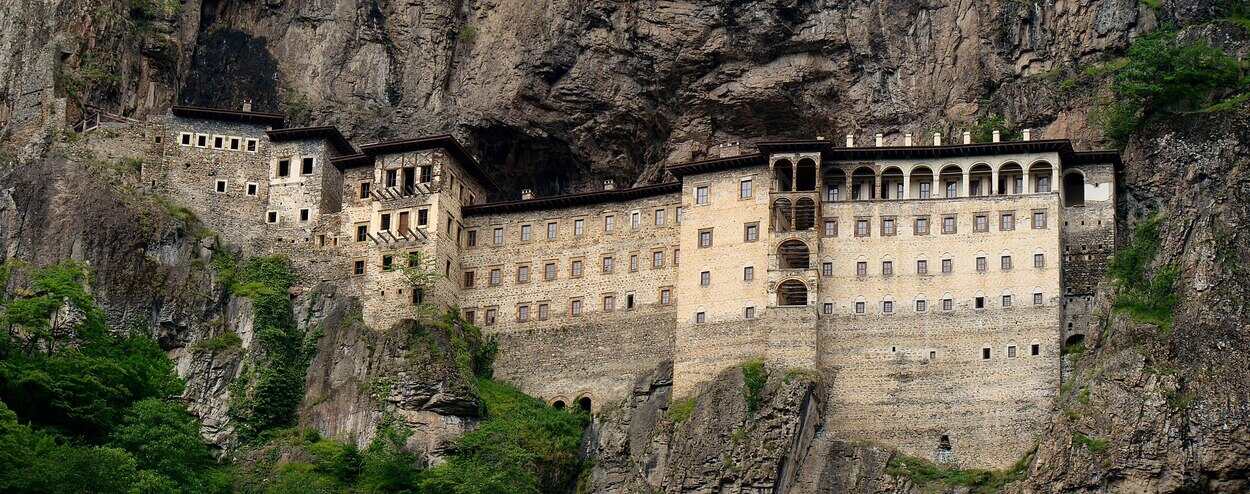
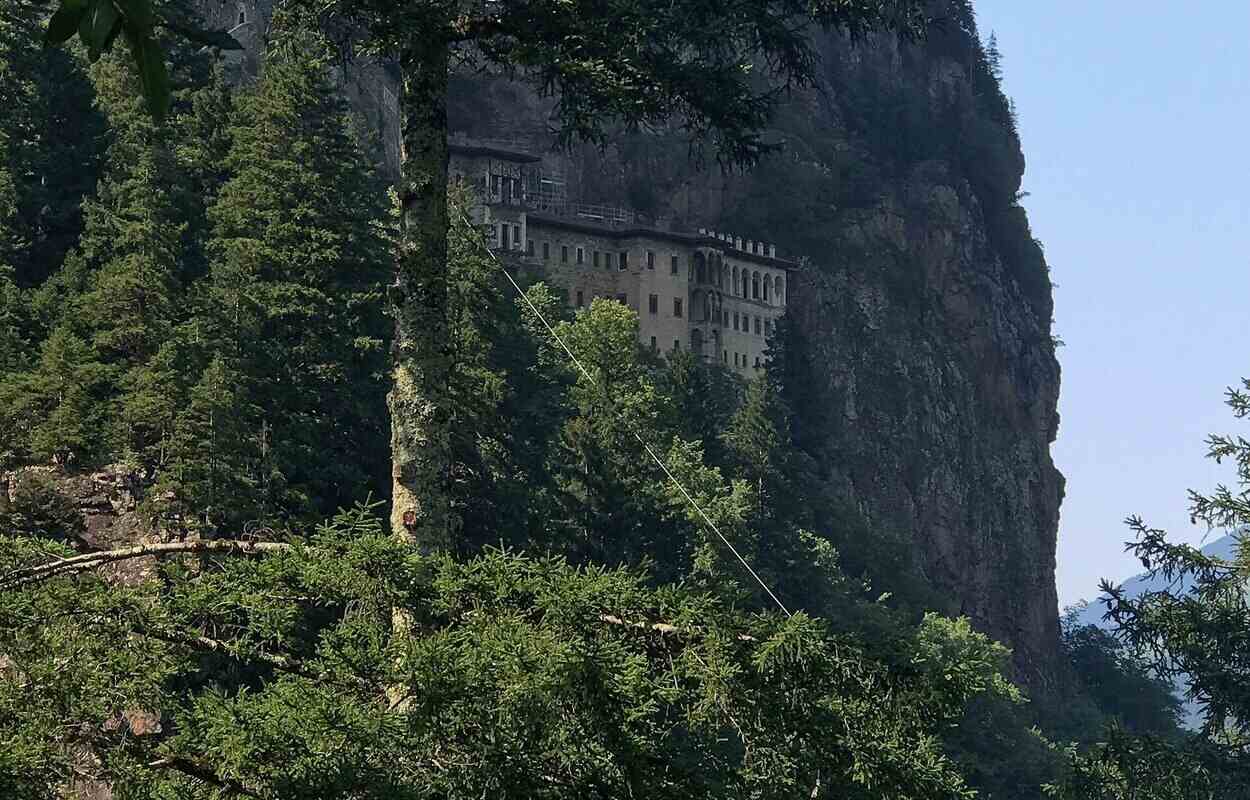
Sumela Monastery officially known as the Monastery of the Virgin Mary, is located within the Altındere Valley National Park near Trabzon on Turkey’s Black Sea coast. Perched approximately 1,200 meters (3,937 feet) above sea level on a sheer rock face, the monastery appears almost suspended in the mountains.
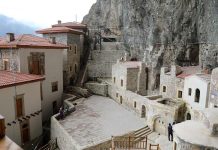
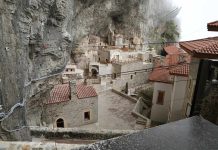
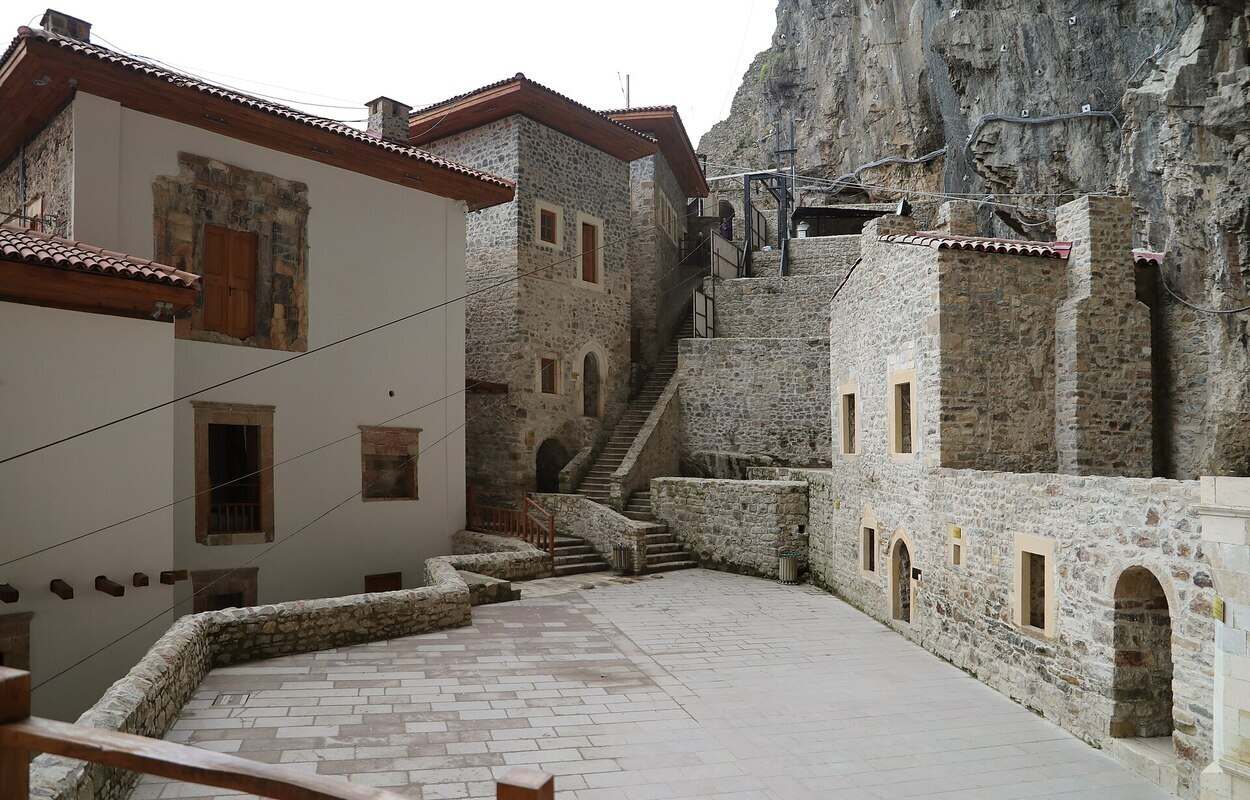
The complex consists of chapels, churches, monks’ quarters, guest rooms, libraries, kitchens, sacred springs, and stunning fresco-covered walls. Surrounded by dense forests, waterfalls, and dramatic mountain scenery, the monastery offers one of the most memorable cultural experiences in Turkey.
Visitors often describe their first glimpse of Sumela as unforgettable. The monastery seamlessly blends human craftsmanship with the rugged natural landscape, creating a unique destination unlike any other.
🏺 History of Sumela Monastery
The history of Sumela Monastery dates back to the 4th century AD. According to tradition, two Greek Orthodox monks named Barnabas and Sophronios discovered a miraculous icon of the Virgin Mary in a cave on the mountainside. Inspired by this discovery, they established the first monastic settlement.
Over the centuries, Sumela received support from Byzantine emperors who expanded and fortified the monastery. During the reign of Emperor Justinian in the 6th century, major restoration and construction projects transformed the site into an important religious center.
The monastery flourished particularly during the Empire of Trebizond between the 13th and 15th centuries. Emperors frequently visited Sumela and granted privileges that strengthened its religious and economic importance.
After the Ottoman conquest of Trabzon in 1461, the monastery continued to function and was protected by Ottoman sultans. Various repairs and additions were made throughout the Ottoman era, allowing Sumela to remain active for centuries.
The monastery was abandoned in the early 20th century following political changes and population exchanges. Many structures suffered damage over time, but extensive restoration projects have helped preserve this extraordinary monument.
Today, Sumela Monastery stands as one of Turkey’s most significant cultural heritage sites and an important symbol of religious history in the Black Sea region.
🎯 Things to Do at Sumela Monastery
📸 1. Admire the Cliffside Architecture
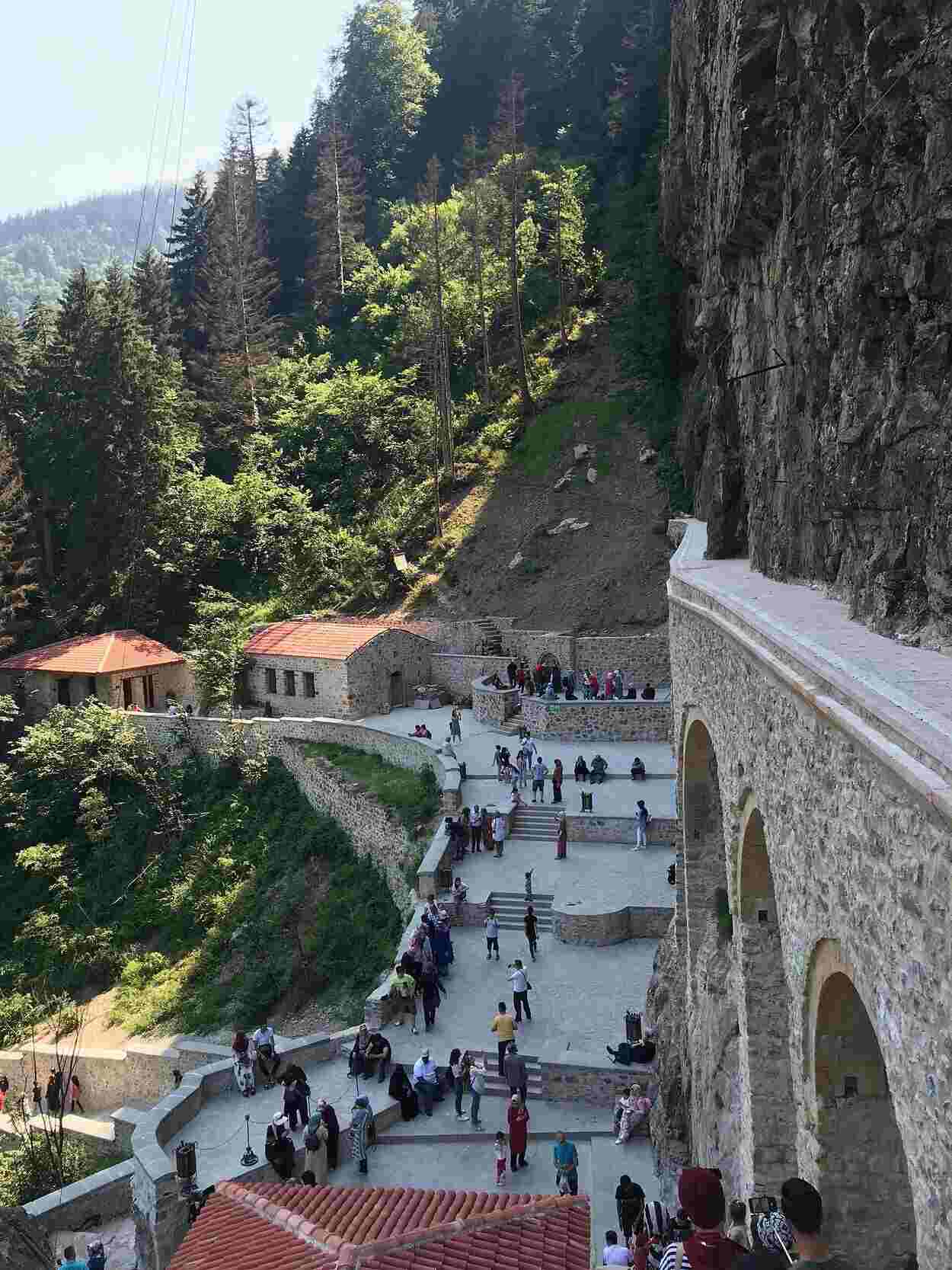
The monastery’s most impressive feature is undoubtedly its dramatic location. Built directly into the mountain, the architecture creates an astonishing visual spectacle. Spend time appreciating how builders integrated the complex into the natural rock formation.
🎨 2. Explore the Ancient Frescoes
The walls and ceilings of various chapels contain beautiful Byzantine frescoes depicting scenes from the Bible and the lives of saints. Many artworks remain remarkably detailed despite centuries of exposure.
🌲 3. Walk Through Altındere Valley National Park
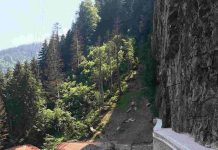
The surrounding national park features scenic trails, lush forests, rivers, and waterfalls. Hiking enthusiasts can enjoy several routes that offer incredible views of the monastery and surrounding mountains.
📷 4. Capture Stunning Photographs
Photography opportunities abound throughout the area. Early morning and late afternoon light often produce spectacular images of the monastery against the forested mountains.
🚶 5. Enjoy the Mountain Path
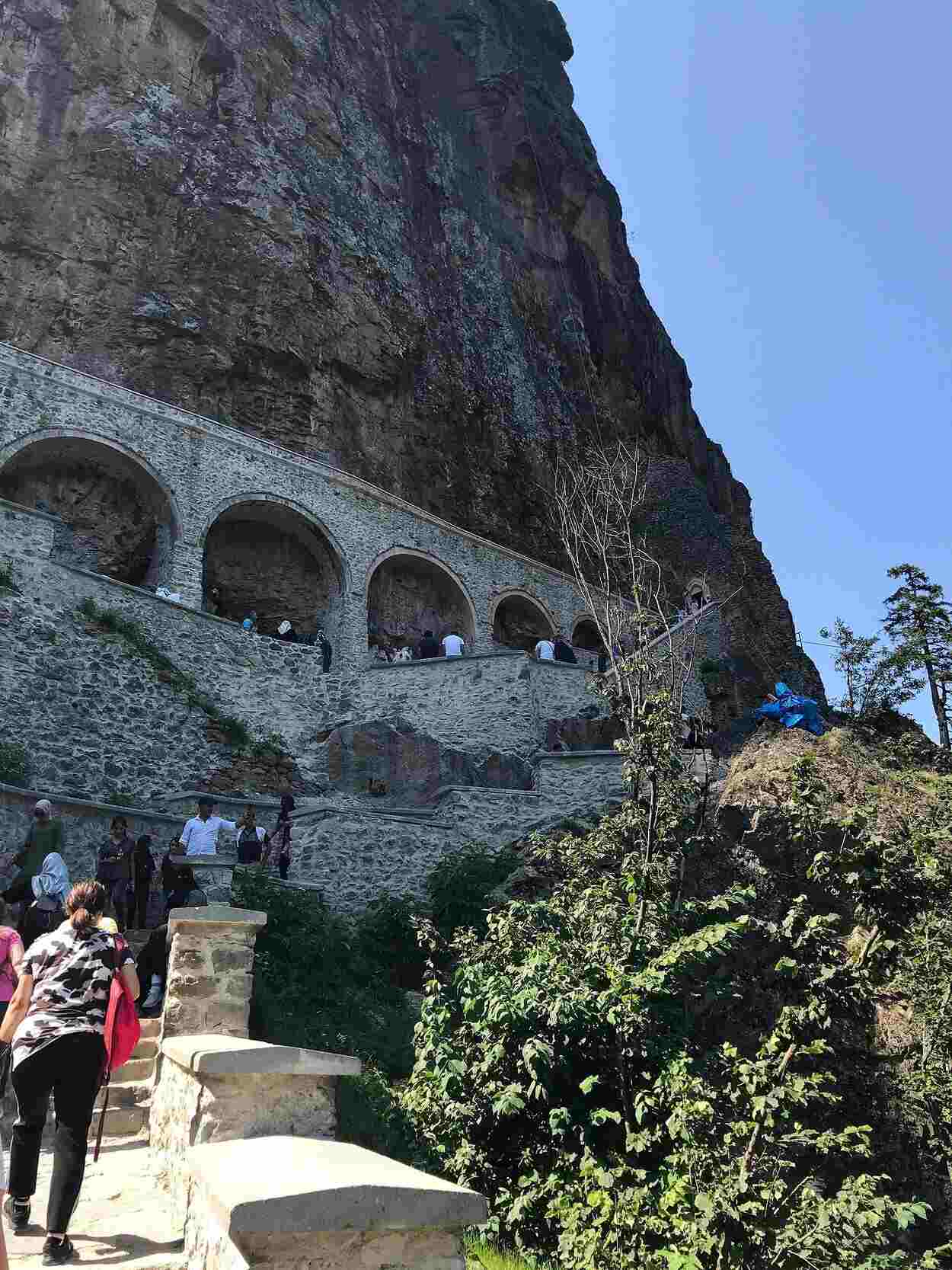
Part of the Sumela experience involves walking uphill through beautiful woodland paths. The journey itself offers numerous viewpoints and chances to appreciate the natural environment.
⛪ 6. Visit the Main Rock Church
The heart of the monastery complex is the rock church, featuring some of the site’s most important religious artwork and architectural details.
💧 7. Discover the Sacred Spring
Many visitors stop at the monastery’s sacred spring, which has held spiritual significance for centuries.
🌄 8. Enjoy Panoramic Mountain Views
The elevated location provides magnificent views across valleys, forests, and mountain peaks that extend for miles in every direction.
🌤️ Best Time to Visit Sumela Monastery
Choosing the right season can significantly enhance your experience at Sumela Monastery.
🌸 Spring (April – June)
Spring is one of the best times to visit. Wildflowers bloom throughout the valley, temperatures are pleasant, and the surrounding forests become vibrant green.
☀️ Summer (July – August)
Summer offers warm weather and long daylight hours. This is the busiest tourist season, so expect larger crowds and longer waiting times.
🍂 Autumn (September – November)
Many travelers consider autumn the ideal season. The forests transform into brilliant shades of red, orange, and yellow, creating exceptional scenery.
❄️ Winter (December – March)
Winter visits can be magical when snow covers the mountains. However, weather conditions may occasionally affect accessibility.
For photography and comfortable sightseeing, spring and autumn generally provide the best overall conditions.
🚗 How to Get to Sumela Monastery
✈️ By Air
The nearest airport is Trabzon Airport. Numerous domestic and international flights connect Trabzon with major cities throughout Turkey and beyond.
🚙 From Trabzon City Center
Sumela Monastery is located approximately 45 kilometers south of Trabzon. The journey typically takes around 50 to 60 minutes by car depending on traffic and weather conditions.
🚌 By Public Transportation
Travelers can take transportation toward Maçka district and continue using local services that operate near the national park entrance.
🚕 By Taxi
Taxis provide a convenient option from Trabzon, especially for visitors seeking flexibility and direct transportation.
🚗 By Rental Car
Renting a car allows travelers to combine Sumela Monastery with other Black Sea attractions such as Uzungöl, Trabzon city center, and nearby mountain villages.

🏨 Where to Stay Near Sumela Monastery
Accommodation options range from city hotels to countryside guesthouses.
🏙️ Trabzon City Center
Staying in Trabzon provides the widest selection of hotels, restaurants, shopping opportunities, and transportation services.
🌲 Maçka
The nearby district of Maçka offers a quieter atmosphere and shorter travel times to the monastery.
🏡 Mountain Guesthouses
Traditional guesthouses and boutique accommodations in the surrounding valleys provide authentic Black Sea hospitality and scenic views.
⭐ Luxury Hotels
Travelers seeking premium comfort can choose upscale hotels in Trabzon with modern amenities and sea views.
💰 Budget-Friendly Options
Hostels, pensions, and family-run guesthouses offer affordable alternatives for budget-conscious visitors.
🗺️ Sumela Monastery Map Information
When planning your visit, it helps to understand the layout of the area:
- 📍 Trabzon City Center – Main transportation hub.
- 📍 Maçka District – Closest major settlement.
- 📍 Altındere Valley National Park Entrance.
- 📍 Visitor Shuttle Area.
- 📍 Forest Walking Trail.
- 📍 Viewing Platforms.
- 📍 Main Monastery Complex.
- 📍 Rock Church.
- 📍 Fresco Chambers.
- 📍 Panoramic Photography Points.
Downloading an offline map before arrival is recommended, especially for travelers exploring the broader Black Sea region.
❓ Frequently Asked Questions (FAQ)
Is Sumela Monastery worth visiting?
Absolutely. It combines spectacular natural scenery, impressive architecture, rich history, and cultural significance in one destination.
How long should I spend at Sumela Monastery?
Most visitors spend between two and four hours exploring the monastery and surrounding park.
Can children visit Sumela Monastery?
Yes. Families frequently visit, though some walking and uphill sections require moderate physical effort.
Is photography allowed?
Photography is generally permitted, making Sumela one of Turkey’s most photogenic historical sites.
What should I wear?
Comfortable walking shoes are highly recommended. Weather in the mountains can change quickly, so carrying a light jacket is advisable.
Can I visit independently?
Yes. Independent travel is common, although guided tours can provide valuable historical context.
Are there food options nearby?
Yes. Restaurants and cafes near the national park and in Maçka serve traditional Black Sea cuisine.
Is Sumela Monastery suitable for history lovers?
Without question. The monastery represents over sixteen centuries of religious, cultural, and architectural history.
🏆 Final Thoughts on the Sumela Monastery Travel Guide
Sumela Monastery is more than a historical monument—it is a masterpiece of human determination, faith, and architectural ingenuity. Its breathtaking position high above the Altındere Valley creates a sense of wonder that few destinations can match. Combined with centuries of fascinating history, remarkable frescoes, and stunning natural surroundings, the monastery remains one of the most extraordinary places to visit in Turkey.
Whether you are planning a dedicated cultural journey through the Black Sea region or simply looking for one unforgettable destination, this Sumela Monastery Travel Guide demonstrates why the site deserves a prominent place on every travel itinerary.