🏺 Troy Travel Guide
Troy is one of the most legendary archaeological destinations in the world. Located near Çanakkale in northwestern Turkey, this ancient city has fascinated travelers, historians, archaeologists, and literature enthusiasts for centuries. Immortalized by Homer’s Iliad and associated with the famous Trojan War, Troy offers visitors a rare opportunity to step into a place where mythology and history intersect.
Today, Troy is recognized as a UNESCO World Heritage Site and remains one of Turkey’s most important cultural landmarks. Visitors can explore ancient fortification walls, archaeological remains spanning thousands of years, and a world-class museum that brings the city’s remarkable story to life. This comprehensive Troy Travel Guide covers everything you need to know before planning your visit, including its history, top attractions, best travel seasons, transportation options, accommodation recommendations, maps, and frequently asked questions.
📍 Overview of Troy
Troy, known locally as Troia, is situated near the Dardanelles Strait, approximately 30 kilometers southwest of Çanakkale. The site’s strategic position between Europe and Asia helped transform it into an important trading center for thousands of years.
What makes Troy particularly unique is that archaeologists have identified multiple cities built on top of one another over a period of nearly 4,000 years. These layers reveal the rise and fall of different civilizations, making Troy one of the world’s most significant archaeological sites.
- 🏛️ UNESCO World Heritage Site
- 📖 Associated with the Trojan War
- 🏺 More than 4,000 years of continuous settlement
- 🌍 One of the world’s most famous archaeological destinations
- 📸 Excellent destination for history and photography enthusiasts
Whether you’re interested in ancient history, mythology, archaeology, or cultural tourism, Troy offers a fascinating and educational experience.
📜 History of Troy
The history of Troy stretches back to approximately 3000 BC. Over the centuries, the city developed into a major center of trade due to its advantageous location near important maritime routes connecting the Aegean Sea, the Black Sea, and Anatolia.
🏺 Early Settlements
The earliest inhabitants established a small fortified settlement that gradually expanded into a prosperous community. Archaeologists classify these early phases as Troy I through Troy V.
Even during its earliest periods, Troy demonstrated sophisticated urban planning and defensive architecture, indicating its regional importance.
⚔️ The Legendary Trojan War
The most famous chapter in Troy’s history comes from Homer’s epic poem, the Iliad. According to legend, the Trojan War began after Paris of Troy abducted Helen, wife of the Spartan king Menelaus.
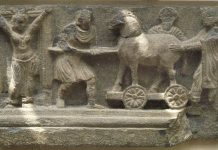
The Greeks allegedly besieged Troy for ten years before successfully entering the city using the famous Wooden Horse strategy. While scholars continue debating the historical accuracy of the story, archaeological evidence suggests significant destruction occurred at Troy during the Late Bronze Age.
🏛️ Greek and Roman Troy
After periods of decline, Troy was revitalized under Greek and Roman influence. The Romans particularly admired Troy because they believed their legendary ancestor Aeneas had escaped the city’s destruction and later founded the lineage that led to Rome.
As a result, Roman emperors invested heavily in rebuilding and preserving the city.
🔍 Modern Archaeological Discoveries
In the 1870s, German archaeologist Heinrich Schliemann began excavating Troy. His discoveries attracted worldwide attention and transformed Troy into one of archaeology’s most celebrated sites.
Subsequent excavations revealed multiple layers of settlement and provided valuable insights into ancient civilizations spanning several millennia.

🎯 Things to Do in Troy
🐴 See the Famous Trojan Horse
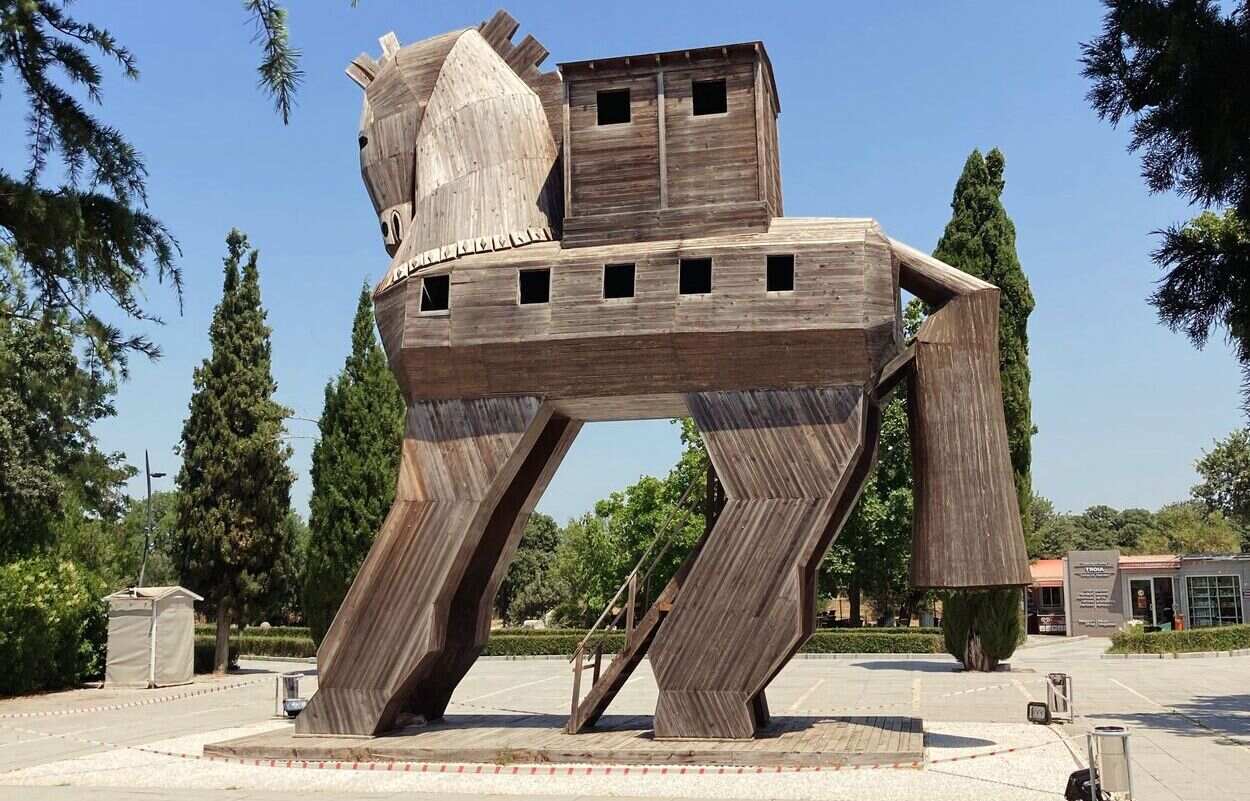
One of the most recognizable symbols associated with Troy is the reconstructed Wooden Horse located near the entrance. Although modern, it serves as an excellent introduction to the legendary Trojan War story.
🏛️ Explore the Ancient City Walls
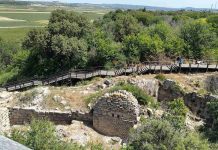
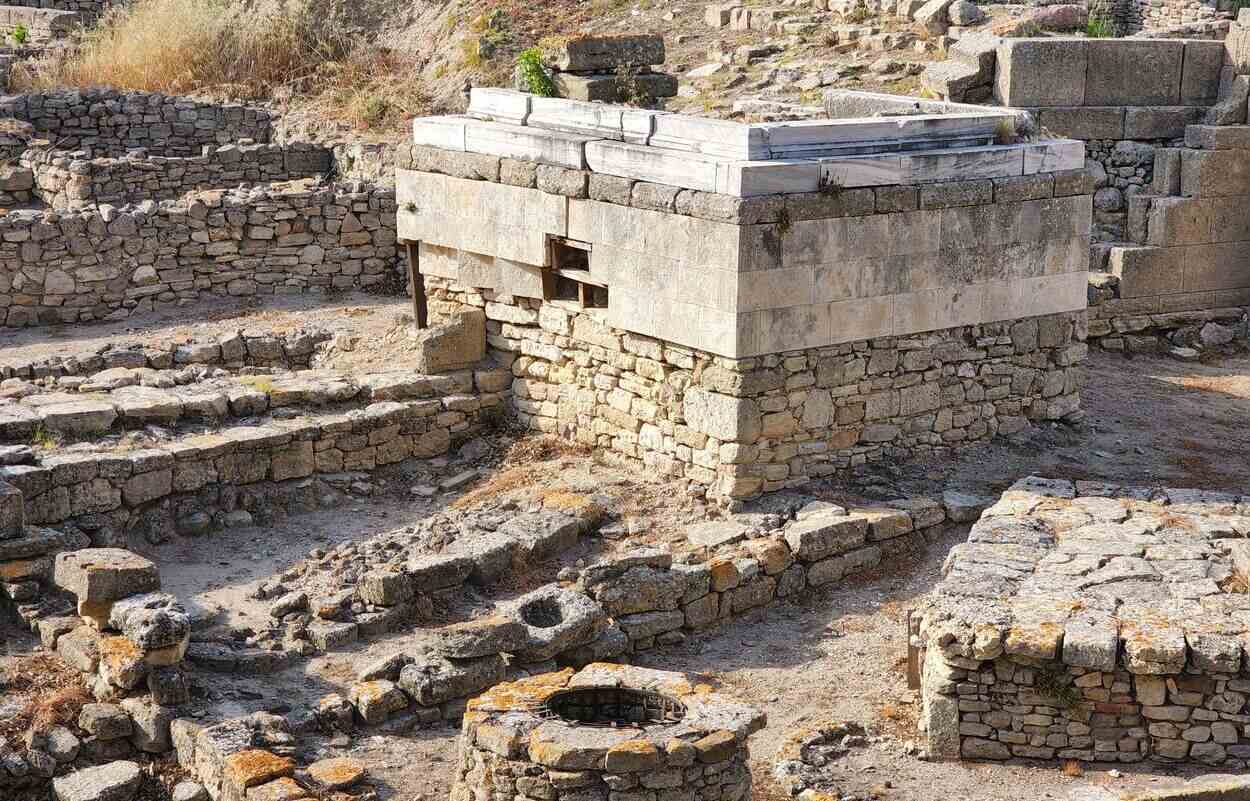
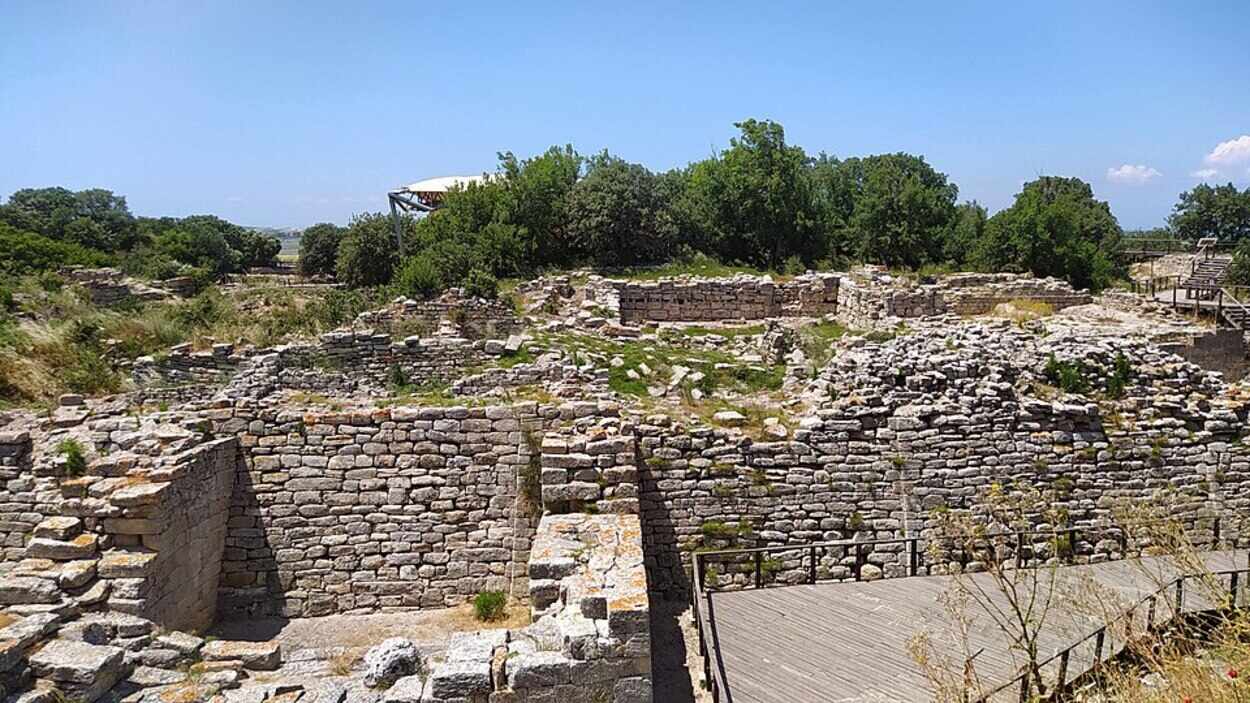
The defensive walls remain among the most impressive structures within the archaeological site. These massive fortifications protected Troy from invaders and demonstrate remarkable engineering skills.
🚶 Walk Through the Archaeological Site
Visitors can follow marked pathways through the ruins and observe remains from different historical periods. Informational signs help explain the significance of various structures.
📷 Capture Stunning Photographs
The combination of ancient ruins, open landscapes, and historical atmosphere makes Troy a rewarding destination for photographers.
🏺 Visit the Troy Museum
The nearby Troy Museum is considered one of Turkey’s finest archaeological museums. It houses artifacts discovered during excavations, including pottery, jewelry, sculptures, and tools.
📖 Learn About Ancient Myths
Troy provides a unique opportunity to connect literary legends with real archaeological evidence. History and mythology enthusiasts will find countless stories to explore.
🌅 Enjoy the Surrounding Landscape
The countryside surrounding Troy offers beautiful scenery and views toward the Dardanelles Strait, adding to the overall experience.
🌤️ Best Time to Visit Troy
🌸 Spring (March – May)
Spring is one of the best seasons for visiting Troy. Temperatures are comfortable, flowers bloom across the landscape, and tourist numbers remain moderate.
This season is particularly suitable for walking and photography.
☀️ Summer (June – August)
Summer offers long daylight hours and excellent visibility. However, temperatures can become quite high during midday.
Visitors should bring water, sunscreen, and hats when exploring during summer months.
🍂 Autumn (September – November)
Autumn combines pleasant temperatures with fewer crowds. Many travelers consider this the ideal season for archaeological exploration.
The comfortable weather allows visitors to spend more time outdoors without excessive heat.
❄️ Winter (December – February)
Winter brings quieter conditions and fewer tourists. While occasional rain may occur, the site remains accessible throughout most of the season.
For most travelers, spring and autumn provide the best balance of weather and visitor comfort.
🚗 How to Get There
✈️ By Air
The nearest airport is Çanakkale Airport, which offers domestic connections. Many international visitors arrive via Istanbul before continuing to Çanakkale.
🚌 By Bus
Frequent intercity buses connect Çanakkale with Istanbul, Ankara, Izmir, Bursa, and many other Turkish cities.
🚗 By Car
Driving provides flexibility and allows visitors to explore nearby attractions at their own pace.
Road conditions are generally excellent, making Troy easily accessible.
🚖 By Taxi
Taxis from Çanakkale city center can reach Troy in approximately 30 minutes.
👥 Guided Tours
Numerous guided tours depart from both Istanbul and Çanakkale, offering transportation and expert historical commentary.

🏨 Where to Stay
🏙️ Çanakkale City Center
Most visitors choose to stay in Çanakkale. The city offers a wide range of accommodations, restaurants, cafés, and transportation services.
🏡 Tevfikiye Village
Located close to the archaeological site, Tevfikiye provides a peaceful rural atmosphere and easy access to Troy.
🌊 Coastal Accommodations
Several hotels along the nearby Aegean coastline allow visitors to combine cultural tourism with beach relaxation.
💎 Boutique Hotels
The region features charming boutique hotels that offer personalized service and authentic local character.
💰 Budget-Friendly Guesthouses
Budget travelers can find affordable pensions and family-operated guesthouses throughout the area.
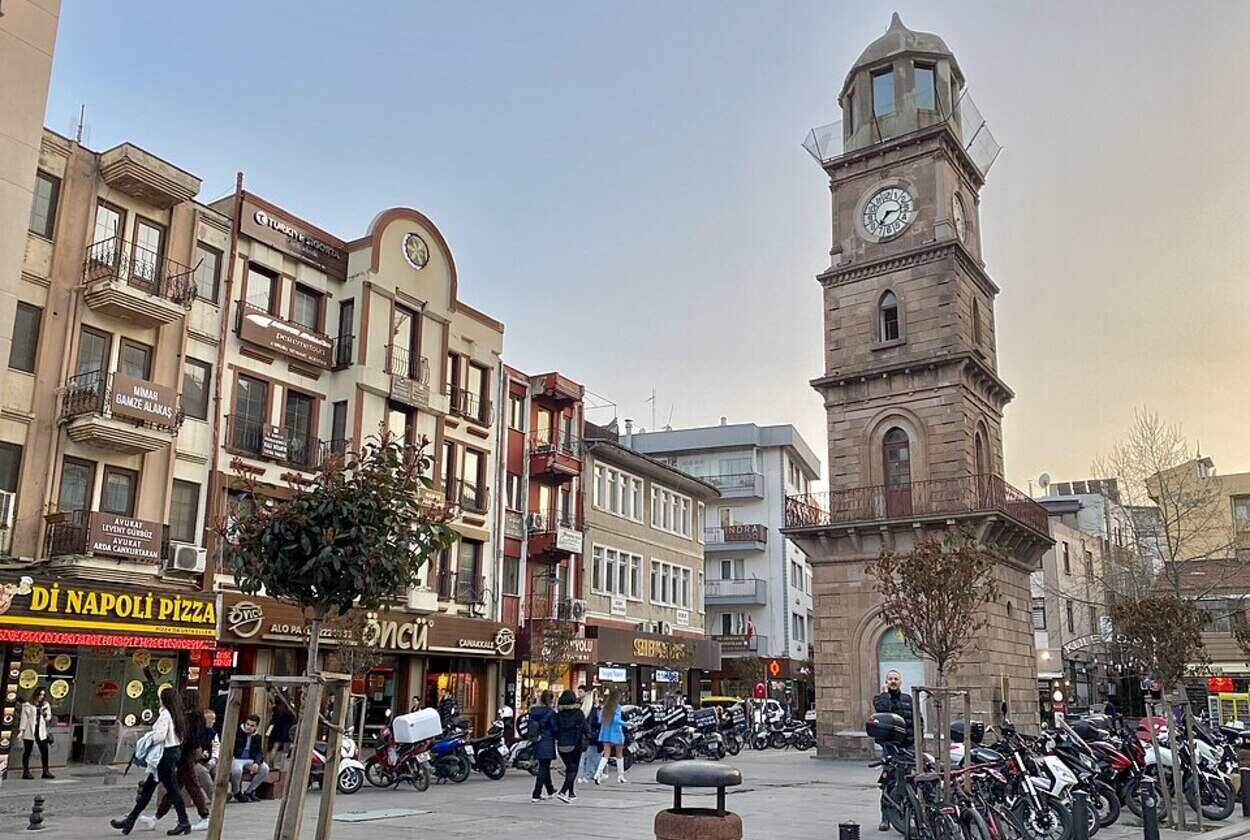
🗺️ Troy Map & Nearby Attractions
Key locations around Troy include:
- 📍 Troy Archaeological Site
- 📍 Troy Museum
- 📍 Trojan Horse Replica
- 📍 Ancient Fortification Walls
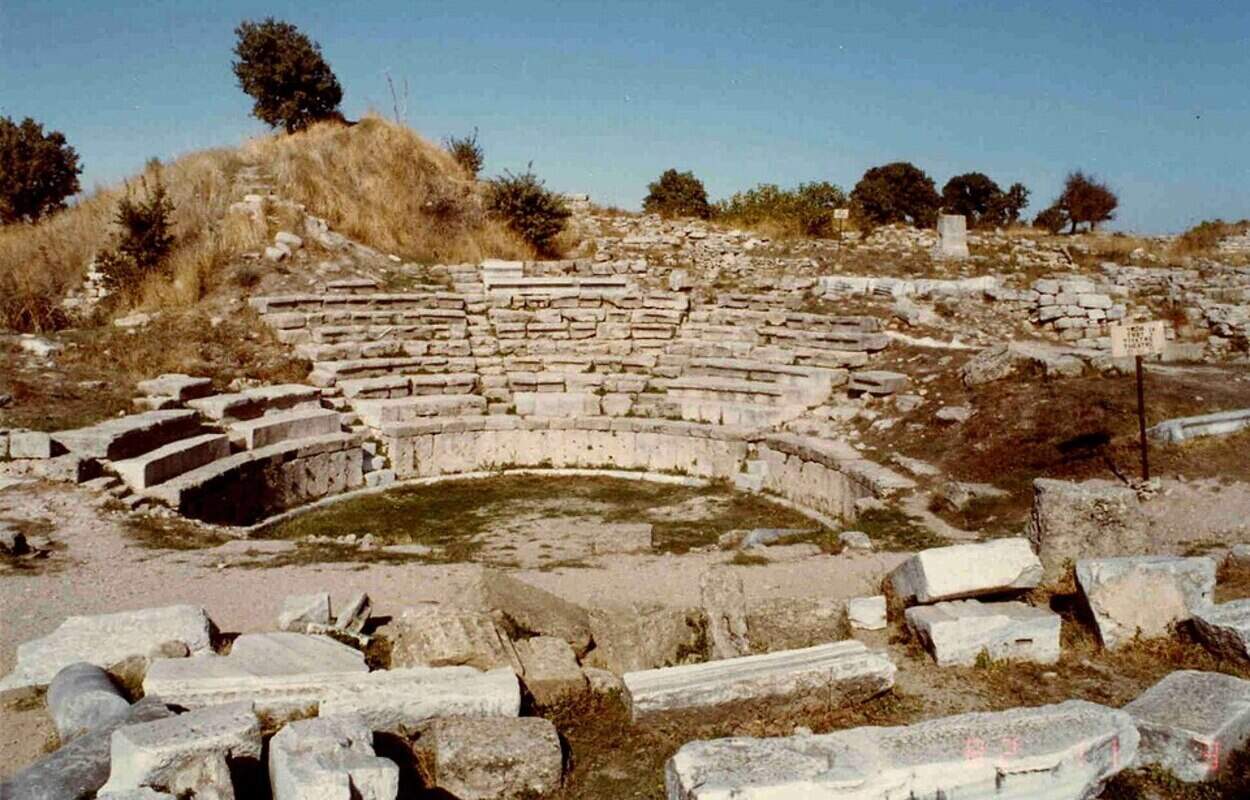
- 📍 Roman Theater Remains
- 📍 Temple Ruins
- 📍 Tevfikiye Village
- 📍 Çanakkale City Center
- 📍 Dardanelles Strait Viewpoints
- 📍 Gallipoli Peninsula Historical Area
Many visitors combine Troy with a trip to Gallipoli, creating a fascinating journey through different periods of world history.
❓ Frequently Asked Questions (FAQ)
Is Troy worth visiting?
Yes. Troy is one of the world’s most important archaeological sites and a must-visit destination for history enthusiasts.
How much time should I spend at Troy?
Most visitors spend between 2 and 4 hours exploring the archaeological site and museum.
Can I visit Troy without a guide?
Yes. Informational signs and museum exhibits make independent visits enjoyable and educational.
Is the Trojan Horse original?
No. The horse displayed today is a modern reconstruction inspired by the legendary story.
Should I visit the museum?
Absolutely. The Troy Museum significantly enhances understanding of the site’s history.
Is Troy suitable for families?
Yes. Children often enjoy learning about the Trojan Horse and ancient legends.
What should I bring?
Comfortable shoes, water, sunscreen, and a camera are highly recommended.
Can Troy be visited year-round?
Yes. The archaeological site is accessible throughout most of the year.
🏆 Final Thoughts on the Troy Travel Guide
This Troy Travel Guide highlights why Troy remains one of Turkey’s most captivating destinations. Few places in the world offer such a unique combination of archaeology, mythology, literature, and history.
From its legendary connection to the Trojan War and Homer’s epic poems to its remarkable archaeological discoveries and UNESCO recognition, Troy continues to inspire visitors from around the globe.
Whether you’re a history lover, cultural traveler, photographer, student, or simply curious about one of humanity’s most famous ancient cities, Troy promises an unforgettable journey through thousands of years of civilization. A visit here is not merely a sightseeing experience—it is a chance to stand at the crossroads of myth and history.