Hidden Gems of Troy
🏛️ Troy is widely known for its legendary Trojan Horse, ancient city walls, and connection to Homer’s epic stories. However, beyond the main archaeological highlights, there are many lesser-known treasures that most visitors overlook. Exploring the Hidden Gems of Troy allows travelers to experience the site from a deeper, more immersive perspective. These subtle yet fascinating details reveal the true complexity of one of the world’s most iconic ancient cities.
🪨 Lesser-Known Excavation Areas
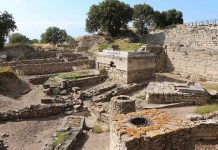
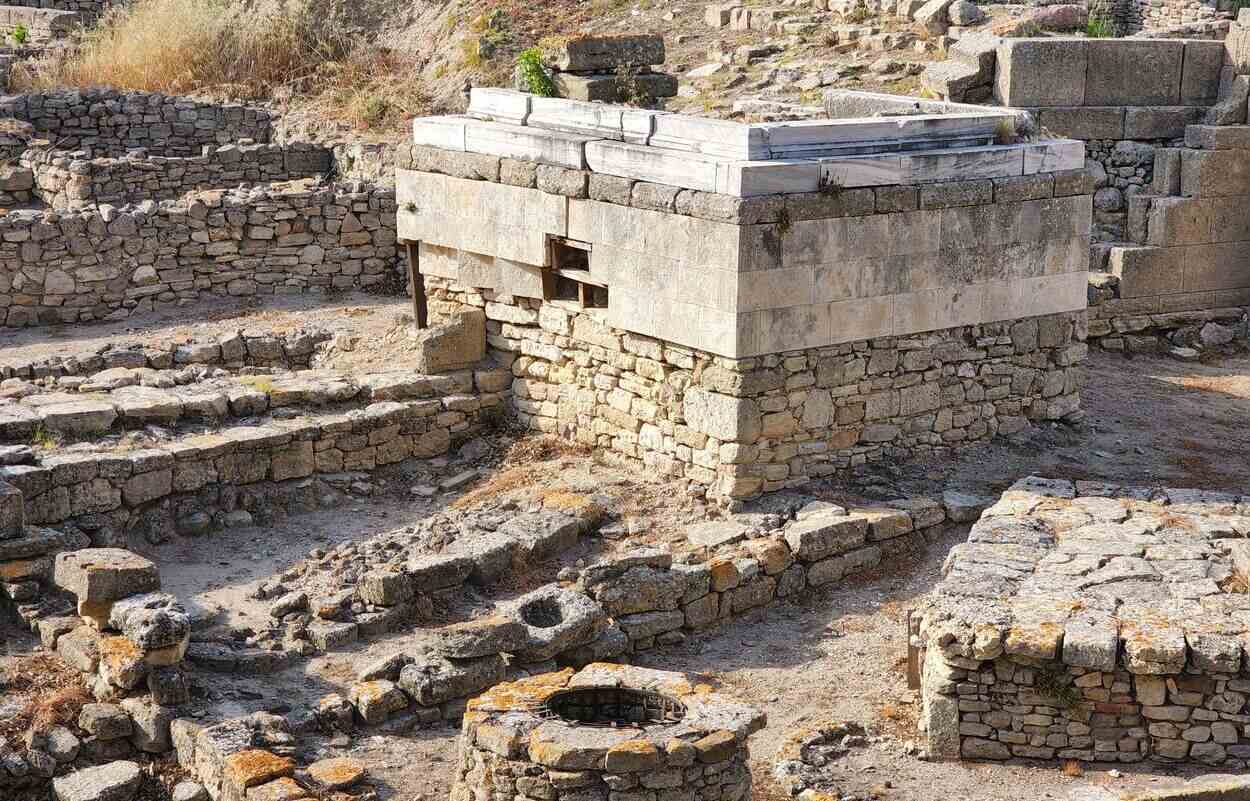
While most visitors focus on the central ruins, Troy contains multiple excavation zones that are often less crowded and less explored. These areas reveal layers of ancient settlements that date back thousands of years.
Walking through these quieter sections gives a more intimate understanding of how the city evolved over time. Archaeological remains such as foundations, fragmented walls, and ancient street patterns offer valuable insight into everyday life in Troy.
These hidden excavation zones are among the most important Hidden Gems of Troy for history enthusiasts.
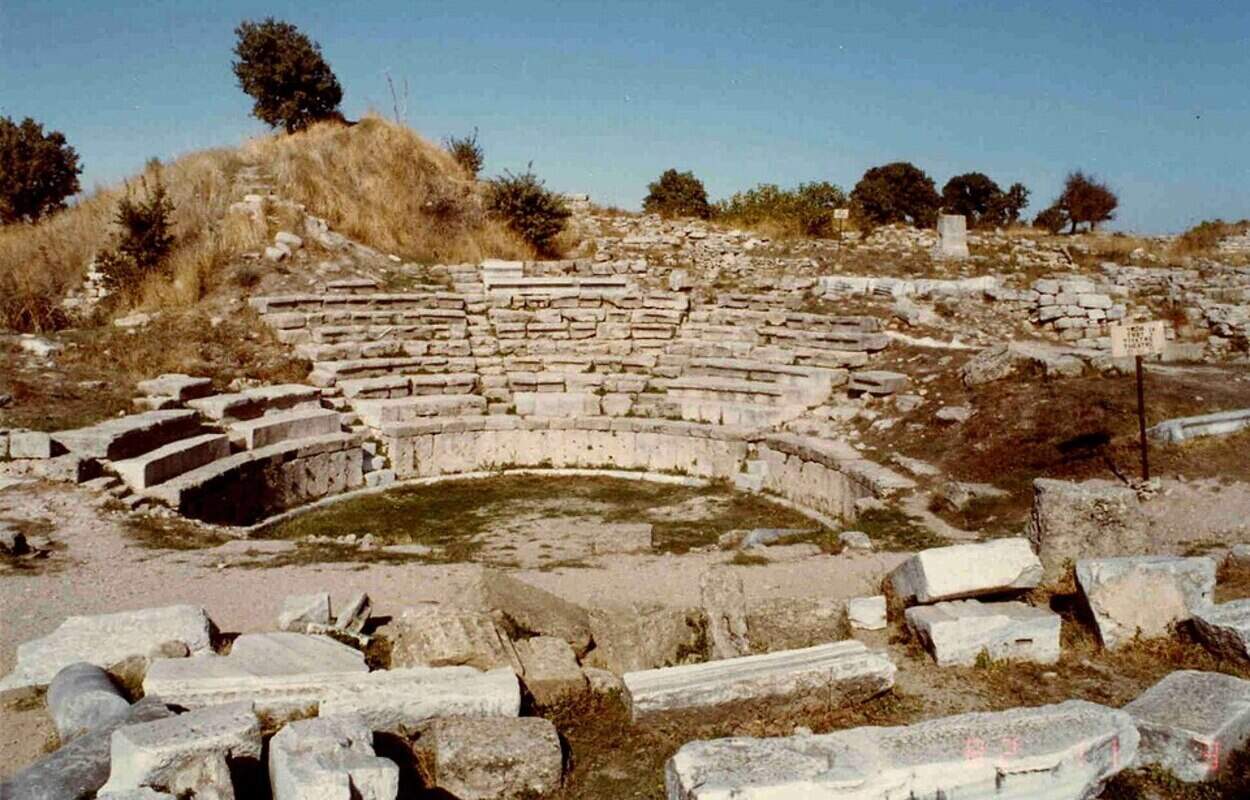
🏺 Ancient Residential Foundations
Beyond monumental structures, Troy also preserves the remains of ancient homes and residential buildings. These foundations are often overlooked by tourists but provide a rare glimpse into domestic life in antiquity.
Visitors can observe how ancient families organized their living spaces, stored food, and built shelters using available materials. These residential remains reveal the human side of Troy’s long history.
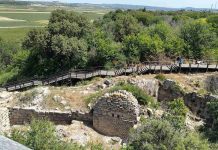
🌿 Quiet Walking Paths Around the Site
One of the most underrated experiences at Troy is walking along the quiet paths surrounding the main ruins. These trails offer peaceful views of the archaeological landscape and the surrounding countryside.
Unlike the main tourist routes, these paths are often empty, allowing visitors to reflect on the ancient city in silence. The combination of nature and history creates a unique atmosphere.
These serene routes are a key part of the Hidden Gems of Troy experience.
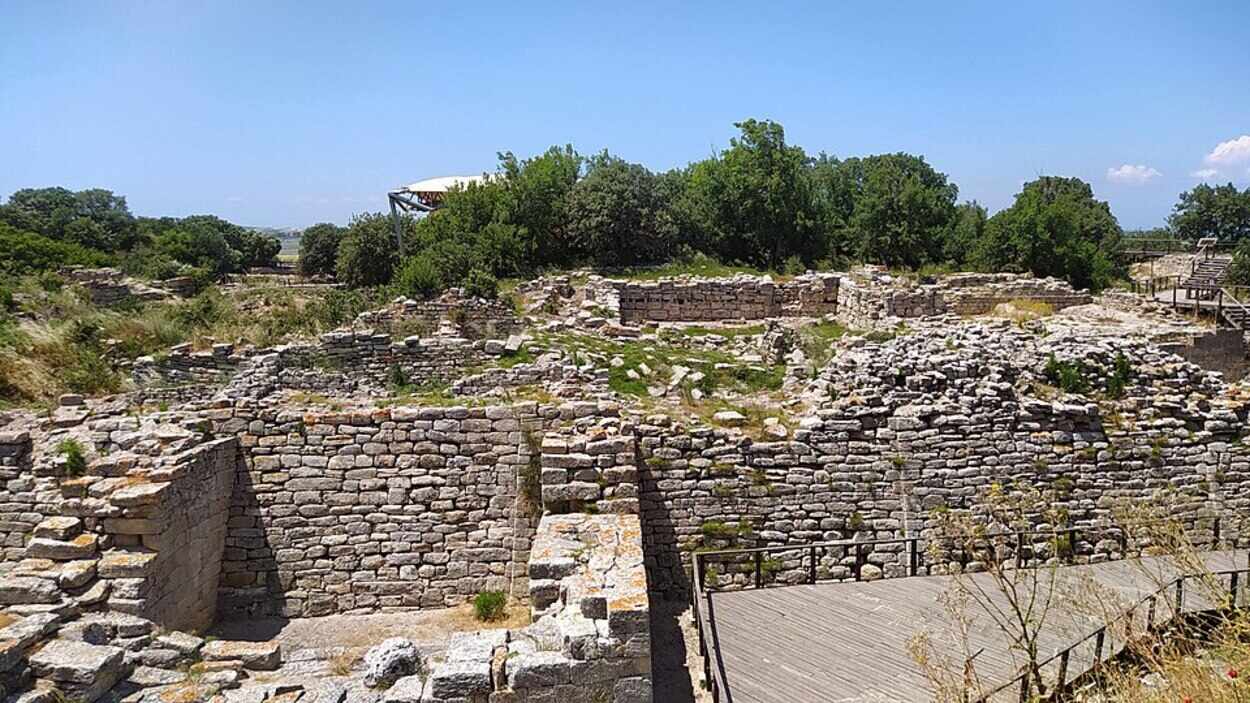
🏞️ Panoramic Viewing Points
Scattered around the site are several elevated points that offer panoramic views of Troy and its surroundings. Many visitors miss these locations because they are slightly off the main route.
From these viewpoints, you can see the full scale of the ancient city, the excavation zones, and the surrounding plains. The views are especially impressive during sunrise and sunset.
Photography enthusiasts will find these hidden viewpoints particularly valuable.
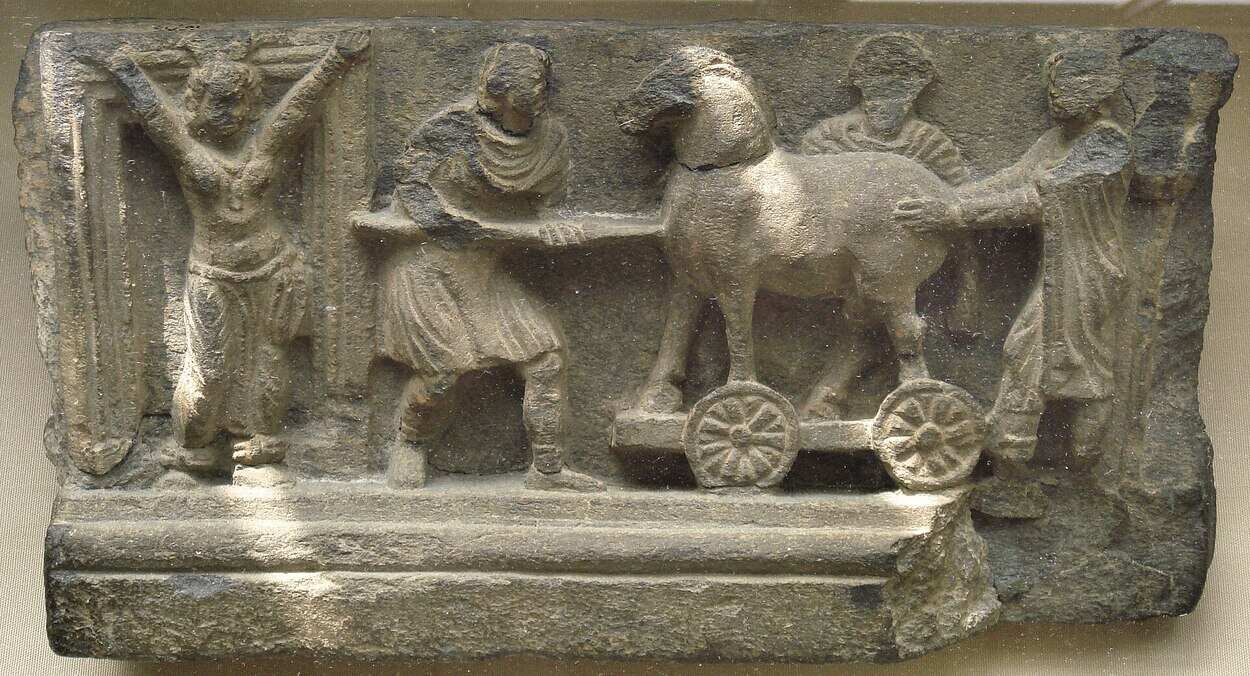
🧱 Unmarked Ancient Walls
In addition to the well-preserved fortifications, there are several unmarked or partially preserved wall segments throughout the site. These structures often go unnoticed but are historically significant.
They help archaeologists understand the defensive strategies and architectural techniques used by different civilizations that occupied Troy over time.
These subtle remains are true archaeological Hidden Gems of Troy.
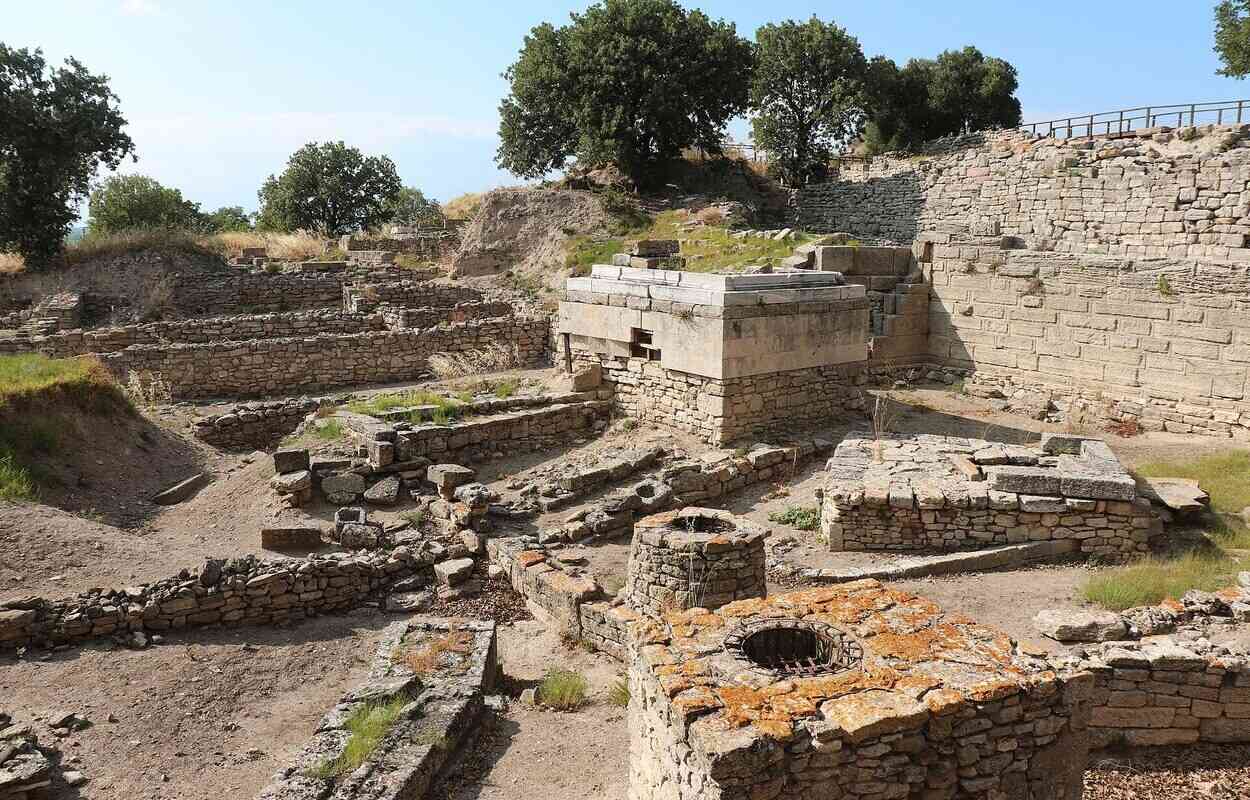
📚 Informational Archaeological Panels
Throughout the site, small informational panels provide important historical context. While many visitors focus only on major landmarks, these panels contain valuable details about excavation findings and historical interpretations.
Reading them enhances the overall understanding of Troy’s complex structure and multi-layered history.
They are essential for visitors who want to go beyond surface-level exploration.
🌾 Natural Landscape Surrounding Troy
Another overlooked aspect of Troy is its surrounding natural environment. The site is located in a wide, open plain with gentle hills and agricultural fields.
This landscape played a crucial role in the city’s historical development, especially in terms of trade routes and strategic positioning.
Today, the natural surroundings offer a peaceful contrast to the archaeological ruins.
🧭 Secondary Archaeological Structures
In addition to the main attractions, Troy contains several secondary structures such as storage areas, small temples, and administrative buildings. These remain less visited but are historically important.
They help researchers reconstruct how the city functioned as a complex urban center over thousands of years.
Exploring these structures provides a more complete picture of ancient life.
📸 Off-the-Beaten-Path Photo Spots
While most visitors take photos near the Trojan Horse replica or main ruins, there are many hidden photography spots around the site.
These locations offer unique angles of the ruins, natural lighting conditions, and fewer crowds. Early morning and late afternoon are ideal for capturing the best shots.
These secret viewpoints are among the most rewarding Hidden Gems of Troy for photographers.

🚶 Less Crowded Exploration Zones
Some sections of Troy receive significantly fewer visitors due to their location or lack of prominent structures. However, these areas are often the most peaceful and reflective.
Exploring them allows visitors to experience the site without distractions and connect more deeply with its historical atmosphere.
⭐ Final Thoughts on the Hidden Gems of Troy
The Hidden Gems of Troy reveal a side of the ancient city that many visitors never see. Beyond the famous landmarks lies a network of subtle archaeological details, peaceful walking paths, overlooked structures, and natural landscapes that enrich the overall experience.
By taking time to explore these lesser-known areas, travelers gain a deeper appreciation of Troy’s complexity and historical significance. The Hidden Gems of Troy transform a standard visit into a more meaningful journey through time, offering insights into daily life, ancient architecture, and the evolution of one of humanity’s most legendary cities.