🕌 Grand Mosque of Erzurum
The Grand Mosque of Erzurum, known locally as Erzurum Ulu Camii, is one of the oldest and most historically significant religious structures in Eastern Türkiye. Located in the historic center of Erzurum, this monumental mosque reflects the architectural traditions of early Anatolian Islamic civilization and stands as a symbol of spiritual continuity spanning more than eight centuries.
📍 Historical Background of Grand Mosque of Erzurum
The Grand Mosque of Erzurum was constructed in 1179 during the Saltukid period, one of the earliest Turkish principalities established in Anatolia after the Battle of Manzikert. Commissioned by Nasreddin Aslan Mehmet, a Saltukid ruler, the mosque represents the emergence of Islamic architectural identity in eastern Anatolia.
Throughout history, the mosque survived invasions, earthquakes, and political transitions, undergoing several restorations during Seljuk, Ilkhanid, and Ottoman periods. Each restoration preserved the original spirit of the structure while reinforcing its architectural stability.
🏛️ Architectural Design of Grand Mosque of Erzurum
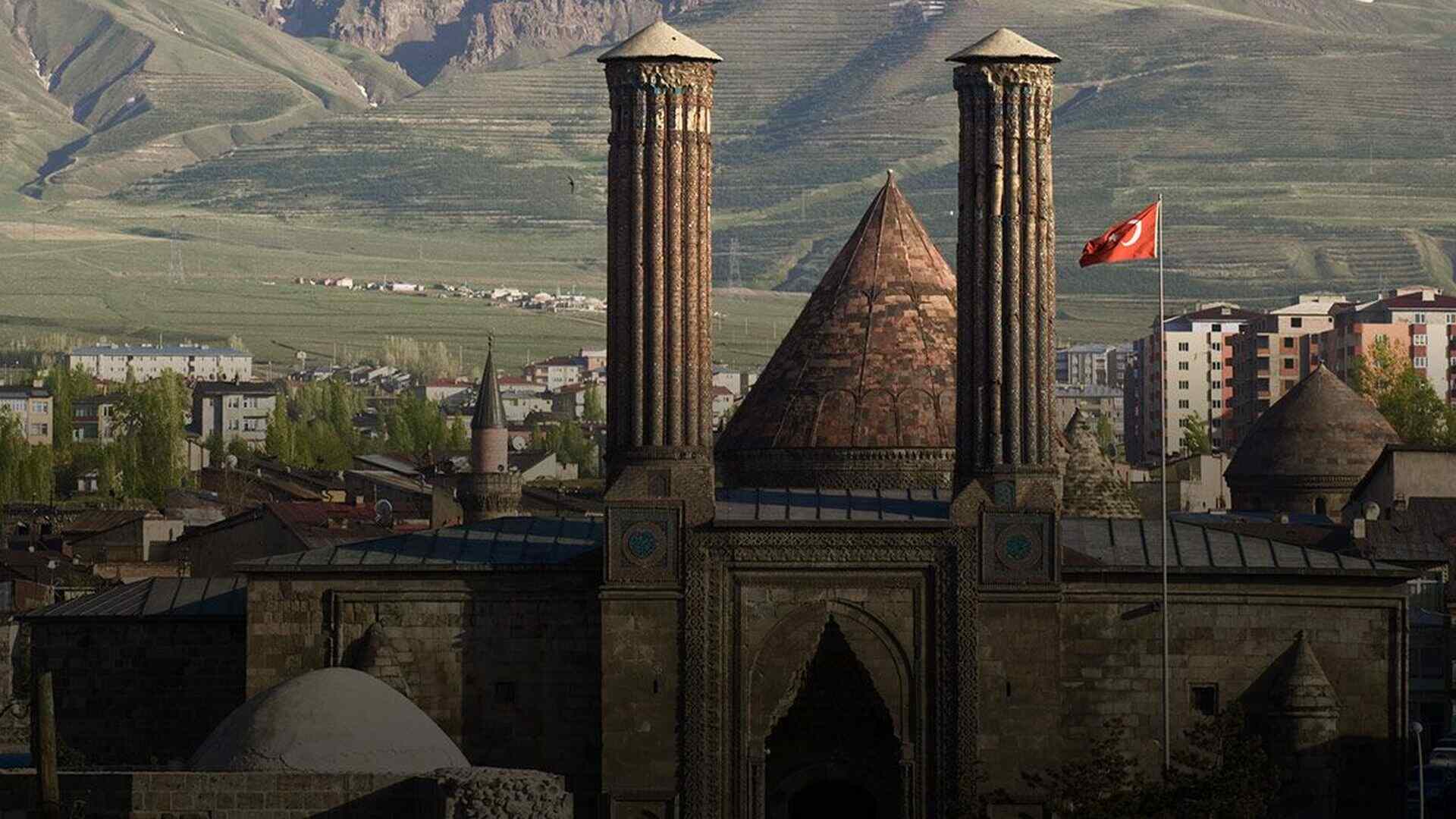
The architectural style of the Grand Mosque of Erzurum differs from later Ottoman mosques. Instead of a large central dome, the structure features a multi-supported roof system carried by massive stone pillars — a characteristic design of early Anatolian mosques.
- 🧱 Thick stone walls adapted to harsh climate conditions
- 🏛️ Rectangular prayer hall supported by heavy columns
- 🕌 Simple yet monumental architectural appearance
- 🗼 Distinctive minaret added during later renovations
- 🌙 Functional design emphasizing communal worship
The mosque’s architectural simplicity reflects practicality and strength. Built to withstand Erzurum’s severe winters, the structure prioritizes durability while maintaining spiritual elegance.
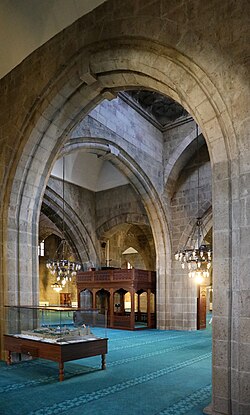
🎨 Interior Atmosphere and Artistic Elements
Inside the Grand Mosque of Erzurum, visitors experience a calm and solemn environment shaped by centuries of worship. The interior relies on spatial harmony rather than excessive decoration.
Stone columns divide the prayer hall into symmetrical sections, creating a rhythmic architectural pattern. Natural light enters through carefully placed windows, producing a serene ambiance ideal for reflection and prayer.
The mihrab and minbar display modest decorative elements, emphasizing spiritual focus rather than visual extravagance — a defining characteristic of early Islamic architecture in Anatolia.
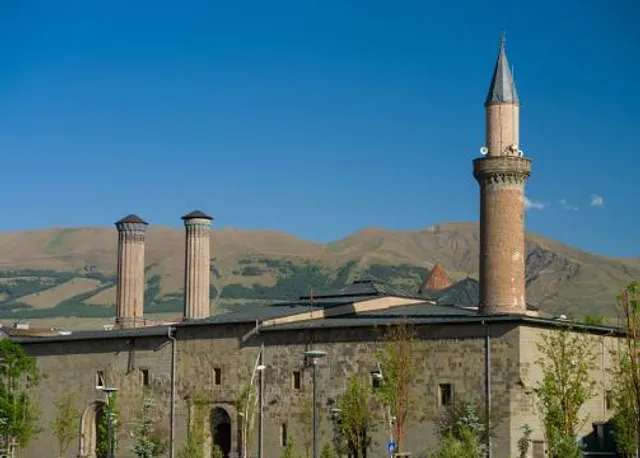
🌆 Role of Grand Mosque of Erzurum in City Life
For generations, the Grand Mosque of Erzurum has served as the religious heart of the city. Friday prayers, religious gatherings, and community events have taken place here for centuries, making it a central institution shaping social life.
The mosque influenced the development of surrounding neighborhoods, markets, and educational institutions. Its presence turned the area into a vibrant cultural and commercial center where religious and civic life intersected.
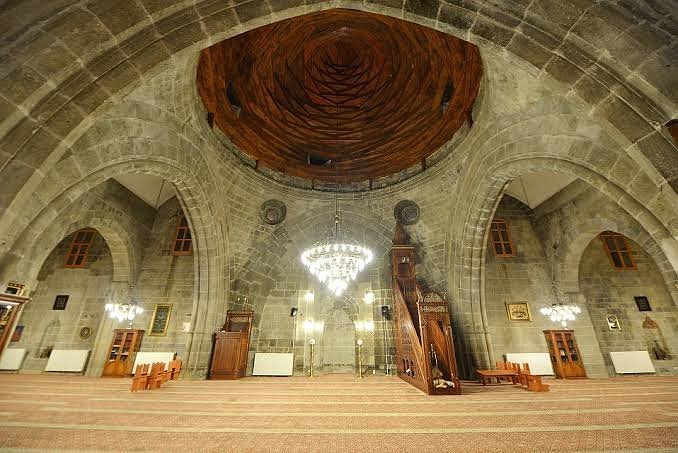
📸 Visiting Grand Mosque of Erzurum Today
Today, the Grand Mosque of Erzurum remains an active place of worship open to respectful visitors. Travelers exploring Erzurum’s historic district often include the mosque as a key stop due to its authenticity and historical depth.
- 📷 Excellent opportunity for architectural photography
- 🚶 Walking distance from major historical landmarks
- 🕰️ Accessible daily outside prayer times
- 🧭 Ideal starting point for exploring Erzurum history
Visitors should dress modestly and maintain quiet behavior inside the mosque to respect ongoing religious activities.
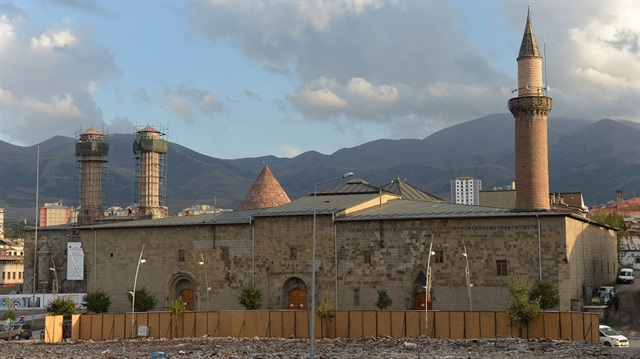
🌍 Cultural and Historical Significance
The Grand Mosque of Erzurum represents one of the earliest surviving examples of Turkish-Islamic architecture in Anatolia. Unlike later imperial mosques, it reflects a transitional era when architectural traditions were evolving from Central Asian influences toward distinctly Anatolian forms.
Its endurance demonstrates the importance of communal worship spaces in maintaining cultural identity across centuries of political change. The mosque remains a living monument connecting modern Erzurum with its medieval origins.
🧭 Travel Tips for Visitors
- ✅ Visit during daylight hours for best interior lighting
- 🧥 Prepare for cold weather during winter months
- 👟 Wear comfortable walking shoes
- 📸 Capture exterior details from surrounding streets
- ☕ Explore nearby bazaars after your visit
Exploring the Grand Mosque of Erzurum offers visitors an authentic encounter with early Anatolian Islamic culture and architectural heritage.
⭐ Why Grand Mosque of Erzurum Is Worth Visiting
Among Erzurum’s many historical monuments, the Grand Mosque of Erzurum stands out for its age, authenticity, and spiritual atmosphere. The mosque provides a rare opportunity to experience one of Anatolia’s earliest Islamic worship spaces still actively serving the community.
History enthusiasts, architecture lovers, and cultural travelers will find the mosque deeply meaningful, offering insight into the foundations of Turkish-Islamic civilization.
📌 Final Thoughts on Grand Mosque of Erzurum
The Grand Mosque of Erzurum continues to embody centuries of faith, resilience, and architectural tradition. Its timeless presence reminds visitors of the enduring role of spirituality in shaping cities and societies.
A visit to this historic mosque is more than a cultural experience — it is a journey into the origins of Islamic architecture and community life in Anatolia.
Have you seen the Lala Mustafa Pasha Mosque?