Diyarbakır Castle
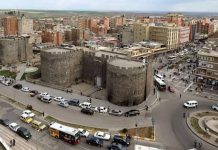
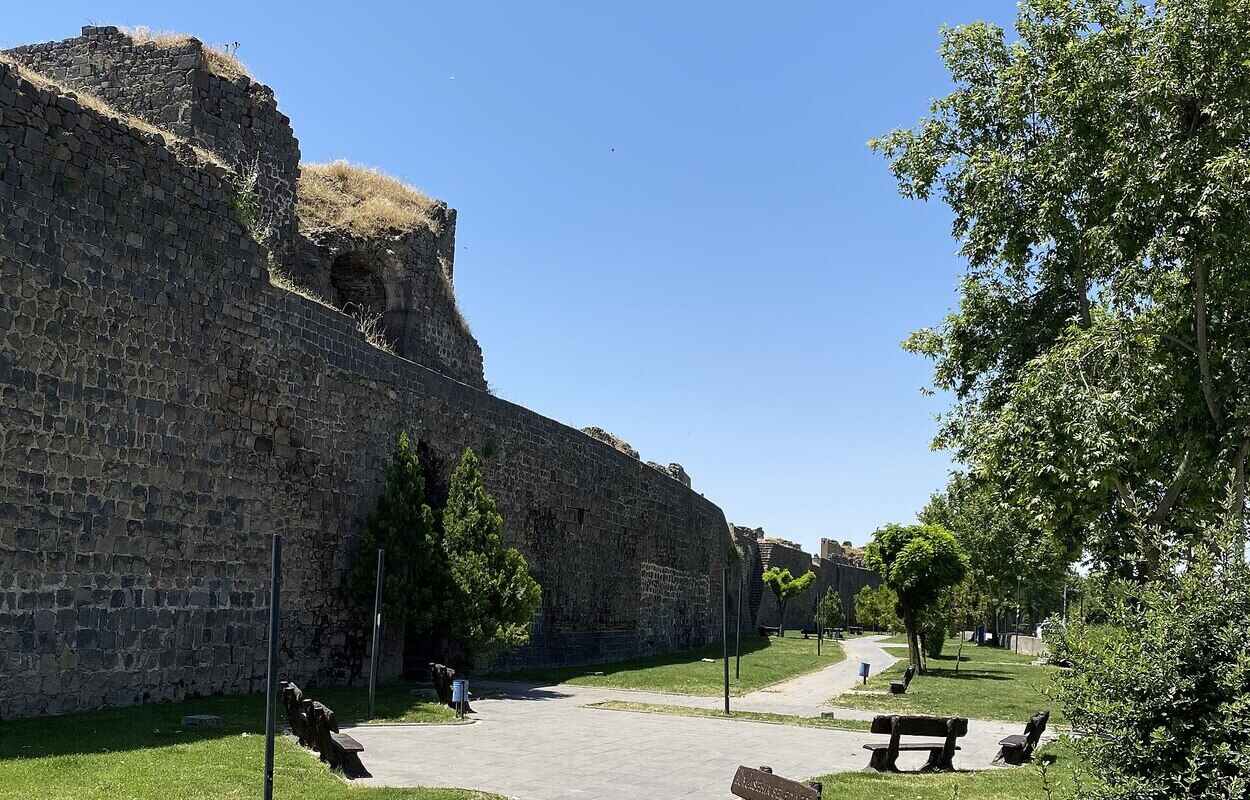
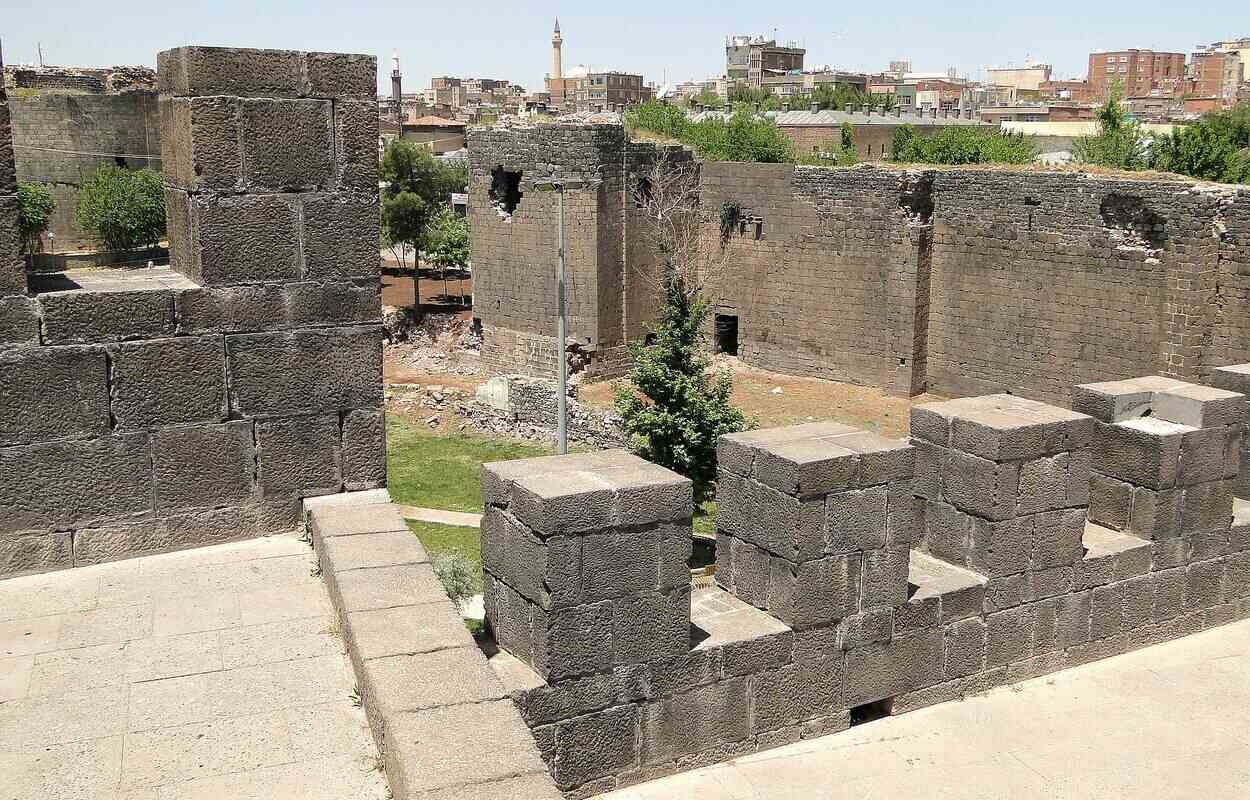
🏰 Diyarbakır Castle stands as one of the most impressive and best-preserved fortification systems in the world. Located in southeastern Türkiye, this monumental structure surrounds the historic center of Diyarbakır and reflects thousands of years of civilization, warfare, architecture, and cultural transformation. Built primarily from dark basalt stone, the walls create a striking silhouette that dominates the city skyline and symbolizes the historical identity of the region.
📍 Historical Background
The origins of Diyarbakır Castle date back to ancient times, with foundations believed to have been established during the Roman period in the 3rd and 4th centuries AD. However, successive civilizations including Byzantines, Artuqids, Seljuks, Akkoyunlu rulers, and the Ottoman Empire expanded and strengthened the fortifications over centuries.
- 🏛️ Roman foundation period
- ⚔️ Byzantine defensive expansions
- 🕌 Islamic architectural contributions
- 👑 Ottoman restorations and reinforcements
The castle functioned not only as a military defense system but also as an administrative and cultural center protecting one of Mesopotamia’s most strategic settlements.
🧱 Architectural Features
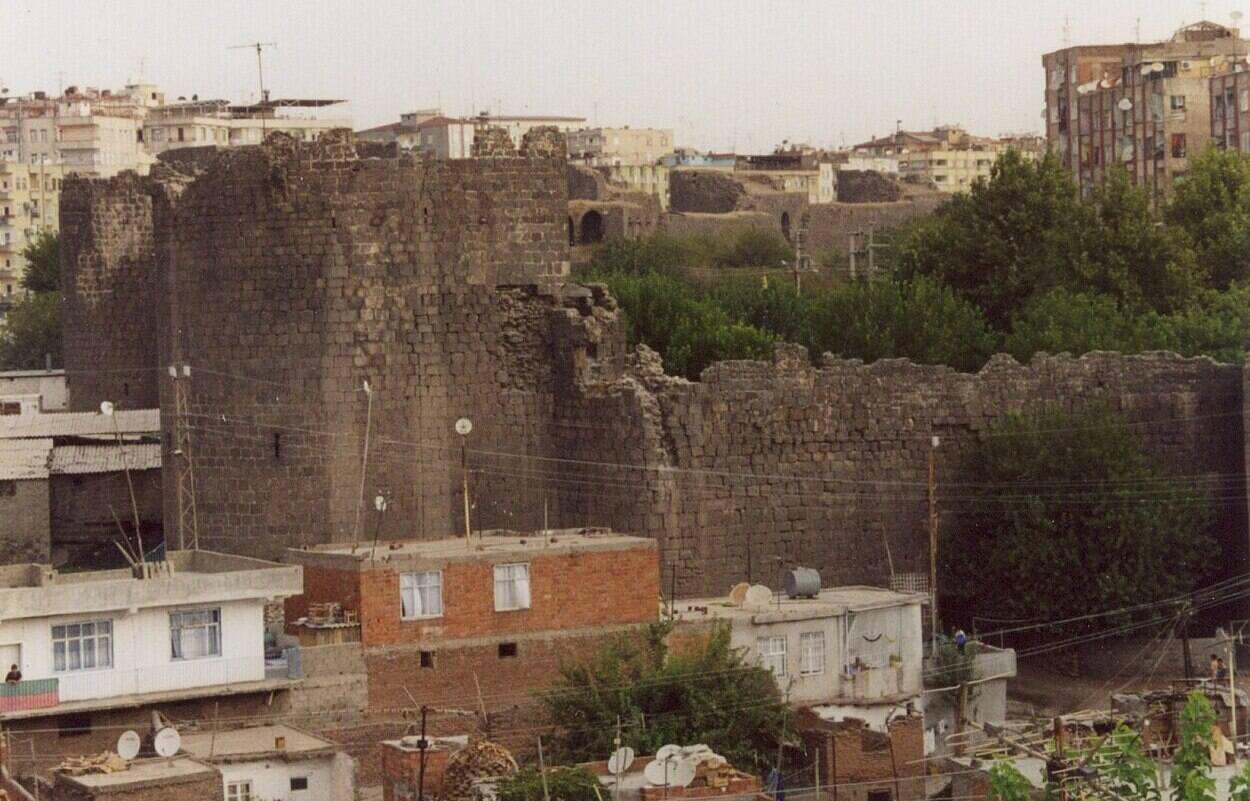
Diyarbakır Castle is famous for its massive black basalt walls, which give the fortress its distinctive appearance. Stretching approximately 5.5 kilometers, the walls form one of the longest and most complete ancient defensive structures still standing today.
- 🧱 Wall length: About 5.5 km
- 🏰 Four main gates
- 🗼 80+ defensive towers
- 📜 Decorative inscriptions and reliefs
The fortress consists of two main sections: the Inner Castle (İçkale) and the Outer Walls. The Inner Castle served as the administrative heart, while the outer defensive walls protected residential neighborhoods and trade routes.
Unique animal figures, calligraphic inscriptions, and symbolic carvings found on the towers represent the artistic influence of multiple civilizations that ruled the city.
🌍 UNESCO World Heritage Significance
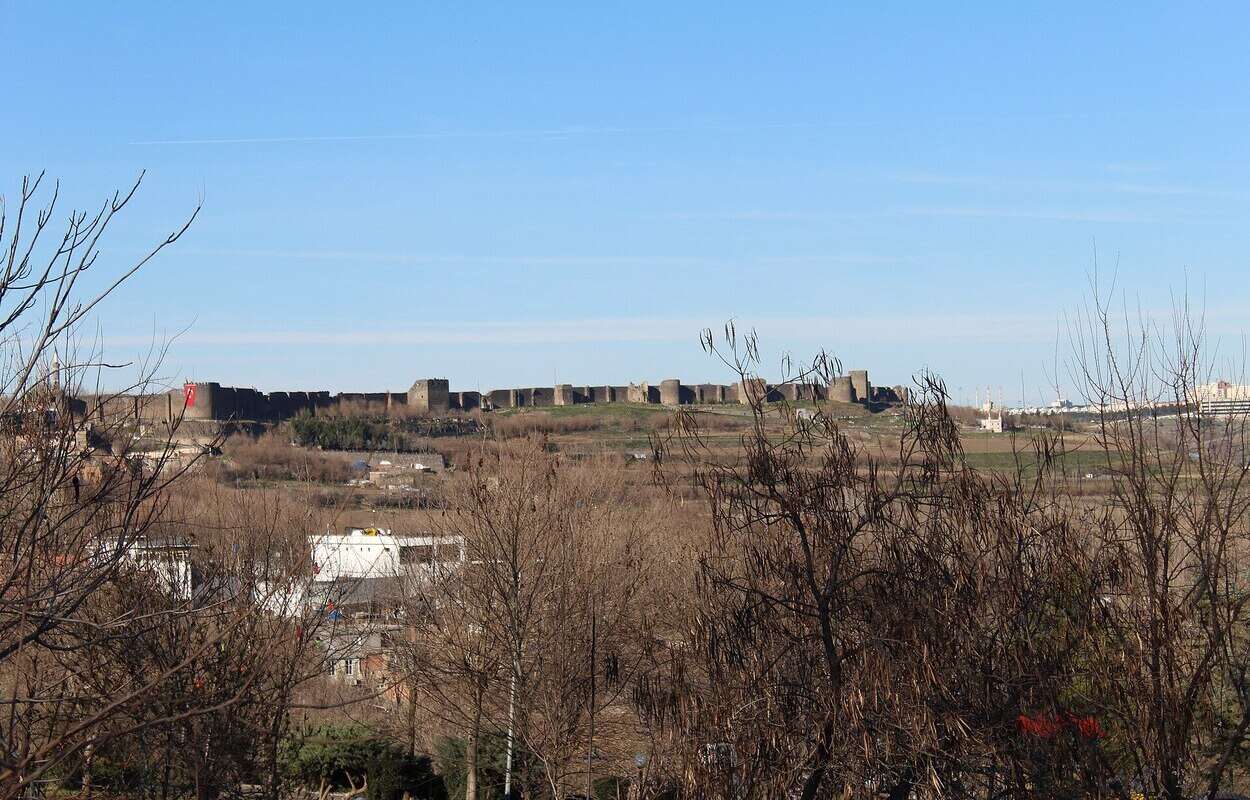
In 2015, Diyarbakır Castle and the surrounding Hevsel Gardens were inscribed on the UNESCO World Heritage List. This recognition confirmed the site’s universal cultural value and its importance as a bridge between Anatolian and Mesopotamian civilizations.
- 🌿 Cultural landscape integration
- 🏛️ Continuous urban settlement history
- 📚 Archaeological and historical importance
- 🌎 International heritage protection
The inclusion emphasizes how the fortress interacted with nature, agriculture, and urban life throughout history.
🚪 Gates and Towers
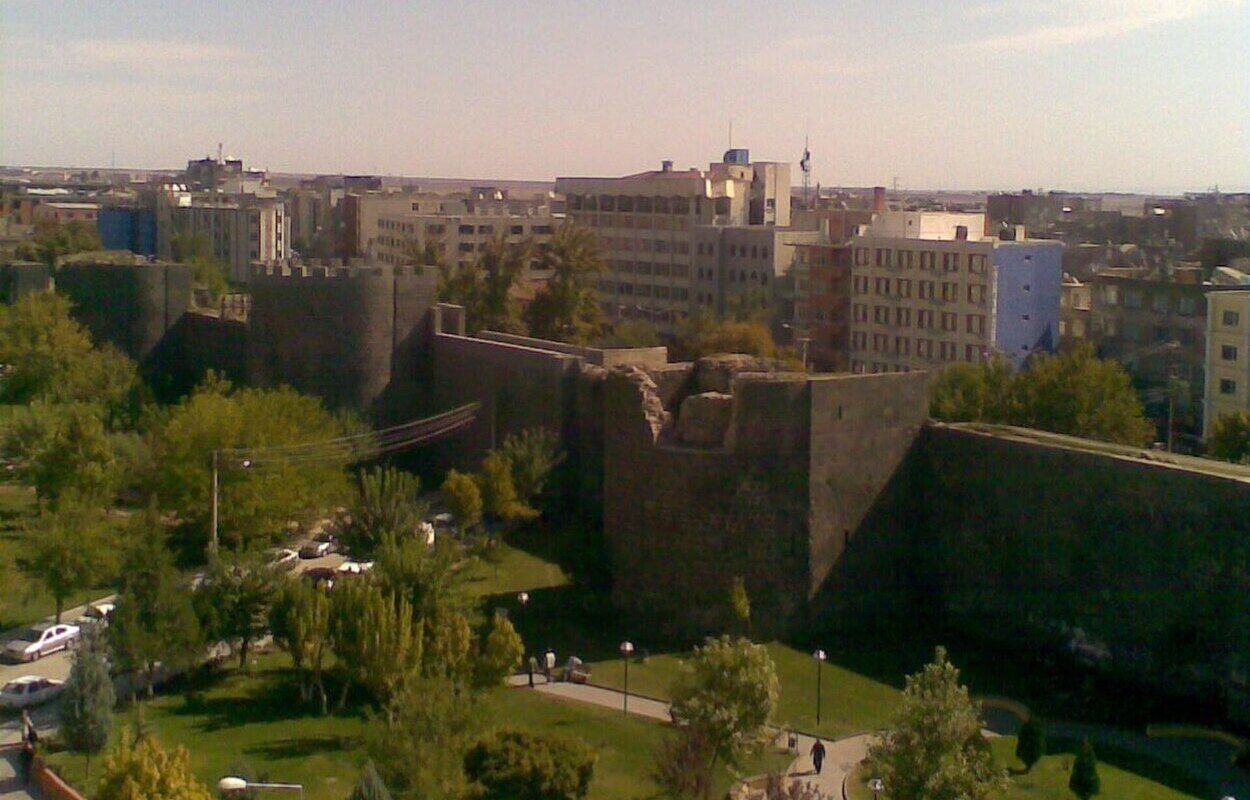
One of the most fascinating aspects of Diyarbakır Castle is its monumental gates, each opening toward important historical trade routes and regions.
- 🚪 Dağ Gate – Northern entrance
- 🚪 Urfa Gate – Western access
- 🚪 Mardin Gate – Southern connection
- 🚪 Yeni Gate – Eastern expansion
The towers positioned along the walls served defensive, surveillance, and symbolic purposes. Some towers carry reliefs of lions, eagles, and mythological motifs representing power and protection.
🏙️ Life Inside the Walls
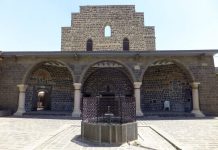
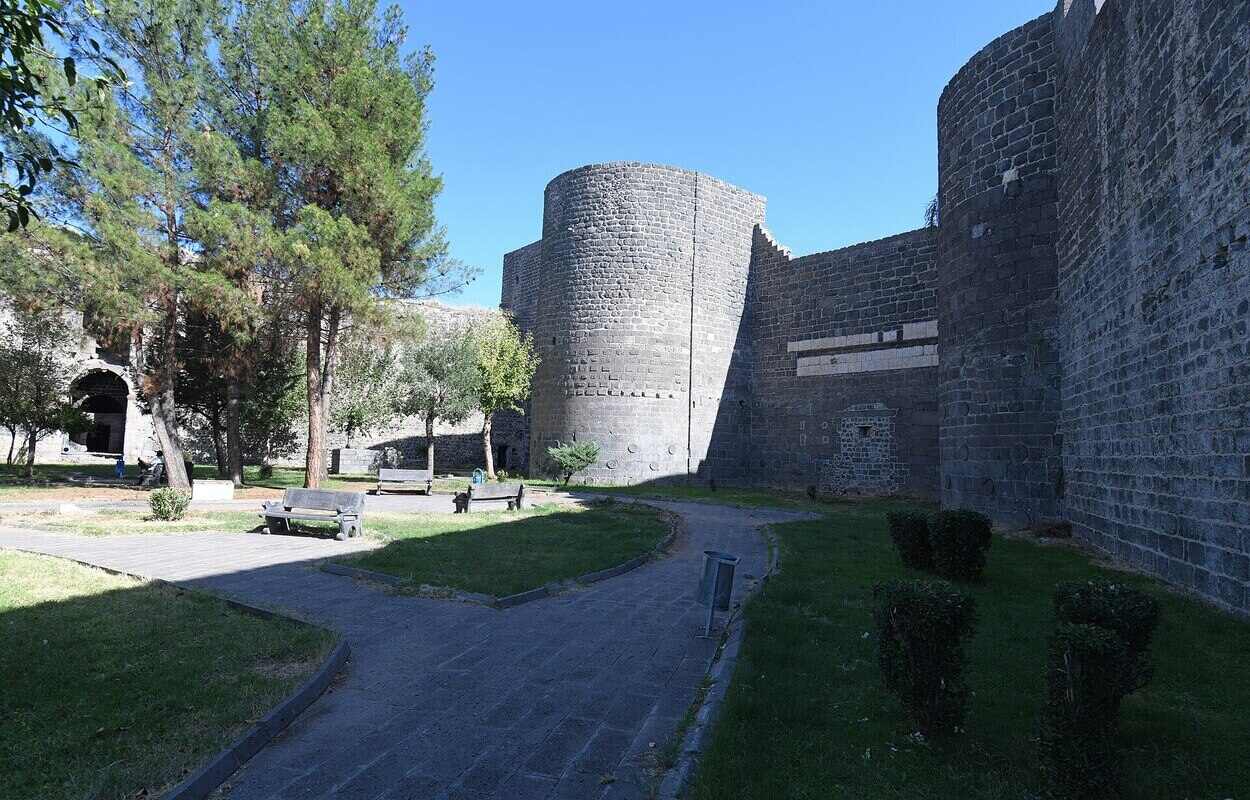
For centuries, the area enclosed by Diyarbakır Castle functioned as a living city. Mosques, churches, bazaars, houses, baths, and administrative buildings formed a vibrant urban environment.
Walking through the narrow streets inside the walls today allows visitors to experience layers of history blending ancient stone architecture with local daily life.
- 🕌 Historic mosques and religious sites
- 🏘️ Traditional courtyard houses
- 🛍️ Artisan shops and local markets
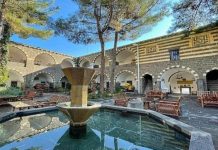
- ☕ Authentic cafés and cultural spaces
This living heritage makes the castle more than an archaeological monument—it remains an active cultural environment.
📸 Visiting Experience
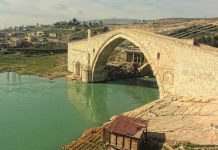
Exploring Diyarbakır Castle offers panoramic viewpoints overlooking the Tigris River and the fertile Hevsel Gardens below. Visitors can walk along restored sections of the walls and discover towers offering breathtaking city views.
- 📷 Sunset photography spots
- 🚶 Walking routes along the walls
- 🎧 Guided historical tours
- 🌄 Scenic observation terraces
Even short walks reveal impressive architectural details and inscriptions dating back centuries.
🍽️ Culture and Local Atmosphere
The surroundings of Diyarbakır Castle reflect the strong cultural identity of southeastern Türkiye. Visitors often combine castle exploration with traditional culinary experiences.
- 🥩 Diyarbakır kebab varieties
- 🍞 Stone oven bread traditions
- 🍵 Local tea houses
- 🎶 Rich musical heritage
The vibrant atmosphere of the old city enhances the historical journey, allowing travelers to experience both heritage and living culture.
📅 Best Time to Visit
The best seasons to explore Diyarbakır Castle are spring and autumn when temperatures are mild and suitable for long walking tours.
- 🌸 Spring: Comfortable weather and greenery
- 🍂 Autumn: Clear skies and cultural events
- ☀️ Summer: Early morning visits recommended
- 🌙 Evening walks offer magical lighting
Morning or sunset hours provide the most dramatic views of the basalt walls.
⭐ Why Visit Diyarbakır Castle?
Diyarbakır Castle is not simply a fortress; it is a monumental archive of civilizations spanning thousands of years. Its massive walls, artistic carvings, cultural continuity, and UNESCO recognition make it one of Türkiye’s most significant historical destinations.
For travelers interested in history, architecture, archaeology, or cultural exploration, Diyarbakır Castle offers an authentic journey through time where ancient defense structures meet vibrant modern life.