🌿 Hevsel Gardens
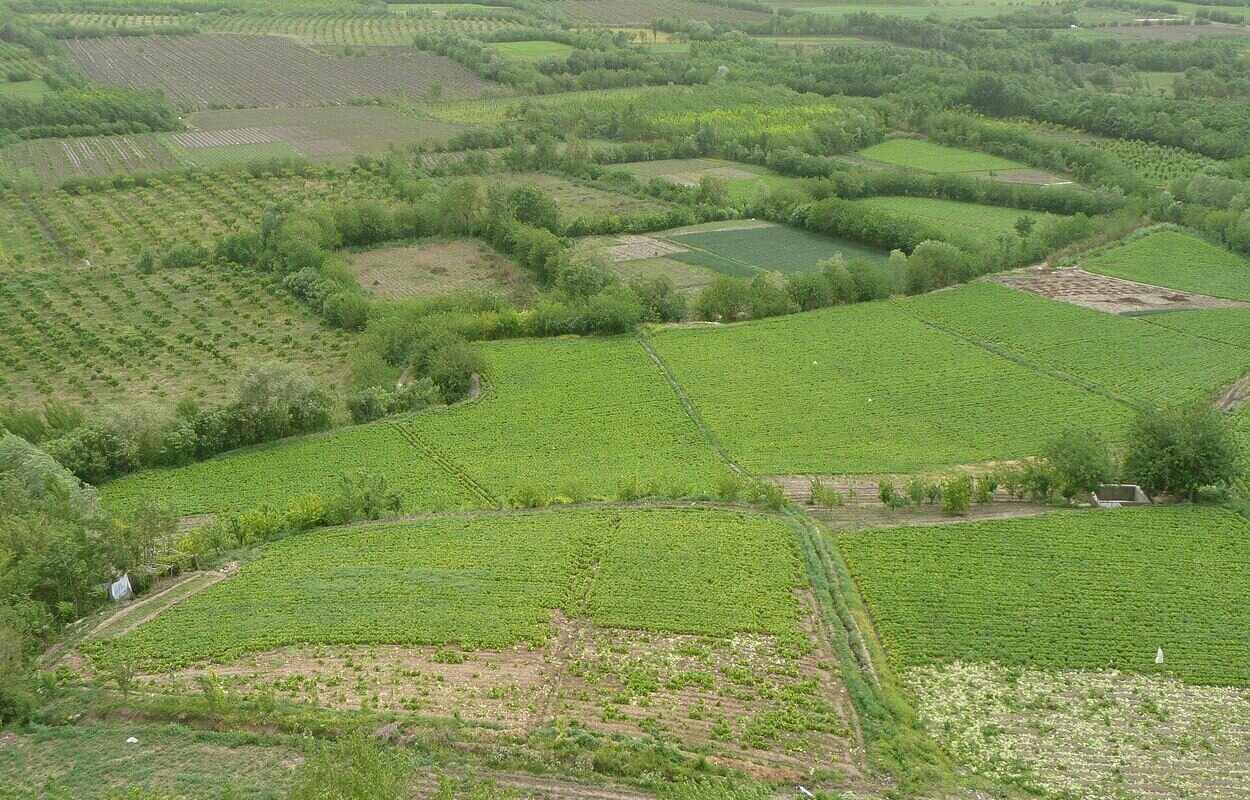
Hevsel Gardens is one of the most historically and ecologically significant landscapes in Türkiye, located between the ancient walls of Diyarbakır and the Tigris River. This fertile green belt has sustained life for thousands of years, serving as a vital agricultural zone and natural buffer for the city. Today, it stands as a unique cultural landscape where history, nature, and human activity exist in remarkable harmony.
📍 Historical Background of Hevsel Gardens
The history of Hevsel Gardens dates back over 8,000 years, making it one of the oldest continuously cultivated areas in the region. Throughout history, civilizations such as the Assyrians, Romans, Byzantines, and Ottomans relied on these fertile lands for food production and water management.
The gardens played a critical role in supporting the population of Diyarbakır, especially during sieges when the city depended on local agriculture for survival. This long-standing relationship between the city and its agricultural landscape highlights the strategic importance of Hevsel Gardens.
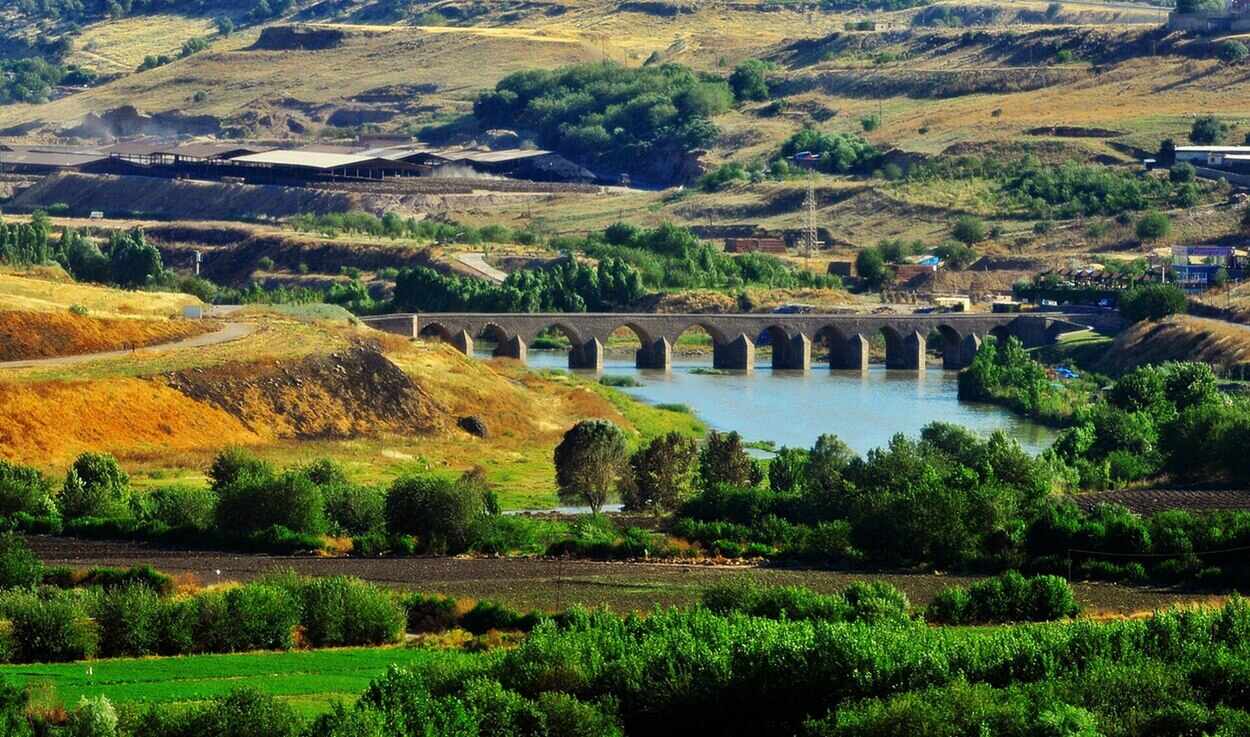
🌍 UNESCO World Heritage Recognition
In 2015, Hevsel Gardens, together with the Diyarbakır City Walls, was inscribed on the UNESCO World Heritage List. This designation recognizes the gardens as an outstanding example of a cultural landscape shaped by human interaction with nature over millennia.
- 🌿 Continuous agricultural tradition
- 🏛️ Integration with ancient city walls
- 🌊 Sustainable water management systems
- 🌎 Global cultural and ecological significance
UNESCO recognition has increased awareness of the gardens’ importance and encouraged preservation efforts to protect this unique ecosystem.
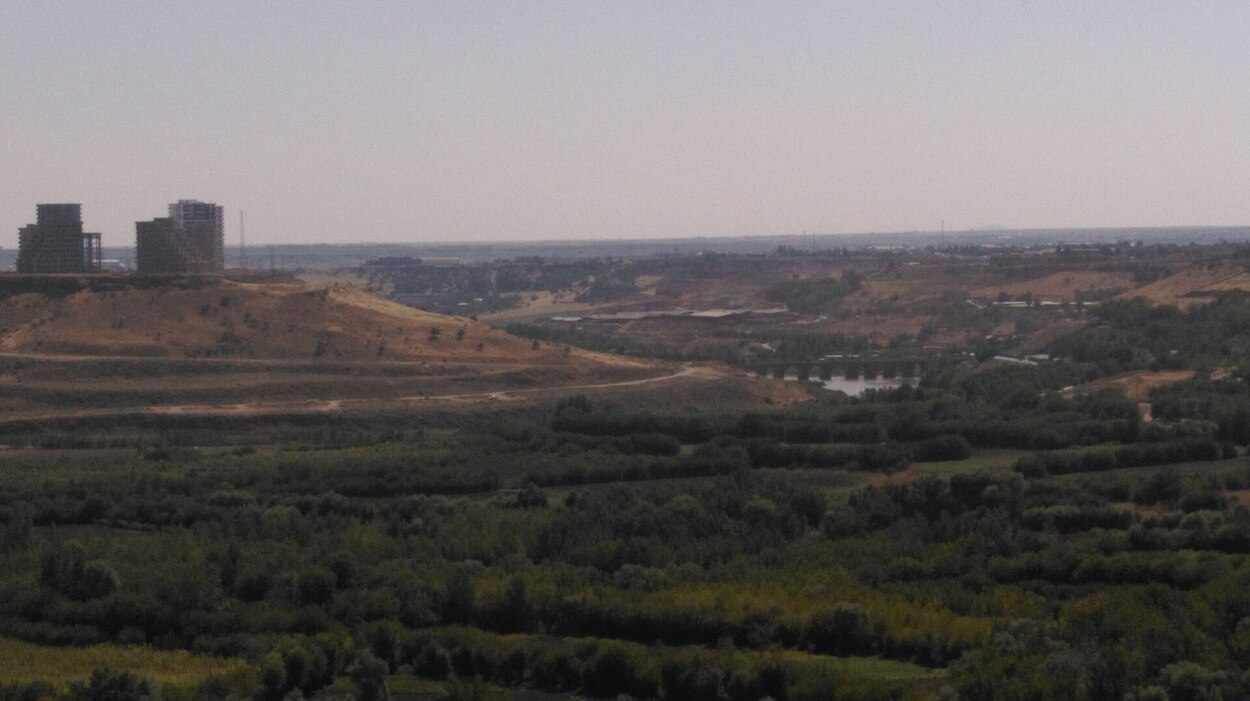
🌱 Natural Environment and Biodiversity
Hevsel Gardens is not only historically important but also ecologically rich. The area hosts a diverse range of plant species, birdlife, and wildlife, making it one of the most valuable green spaces in southeastern Türkiye.
- 🌳 Fruit orchards and vegetable fields
- 🦜 Habitat for migratory bird species
- 🌼 Native plants and seasonal flowers
- 🐦 Wetland ecosystems near the Tigris River
The gardens act as a natural corridor supporting biodiversity while providing fresh air and environmental balance for the surrounding urban area.
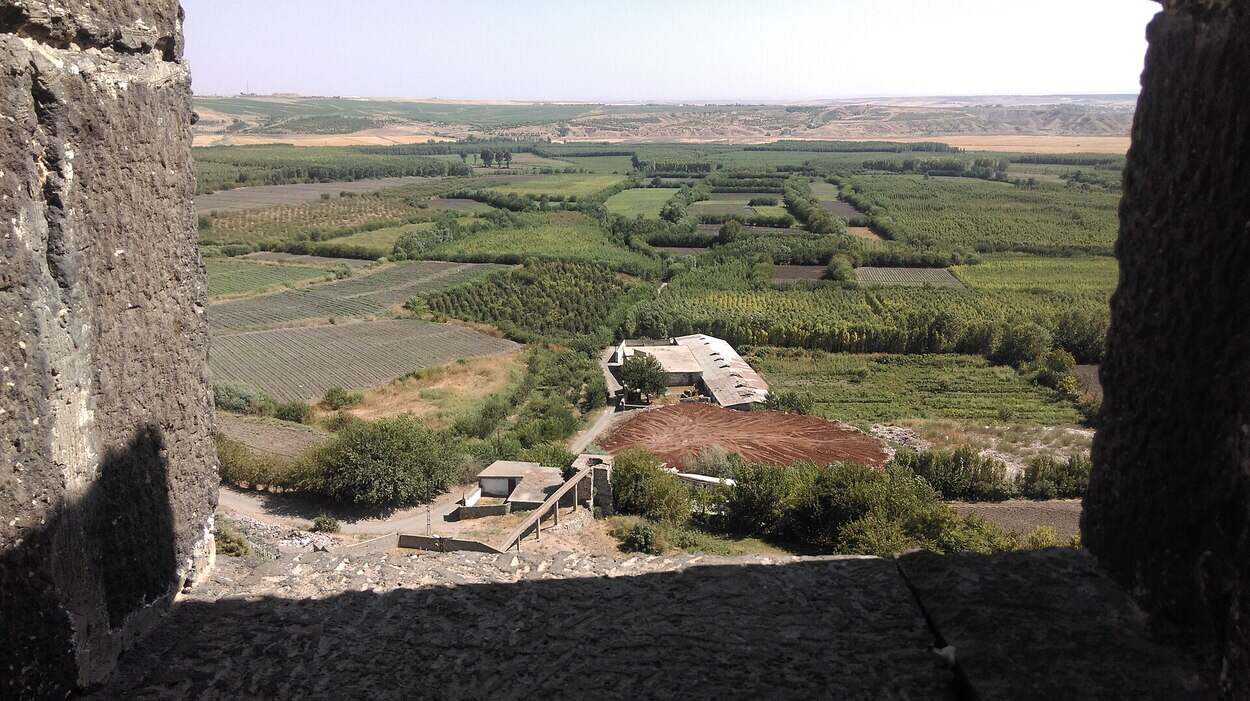
🚜 Traditional Agriculture and Local Life
One of the most remarkable aspects of Hevsel Gardens is the continuation of traditional farming practices. Local farmers still cultivate crops using methods passed down through generations.
Common agricultural products include vegetables, herbs, fruits, and grains that are sold in local markets throughout Diyarbakır. This ongoing agricultural activity keeps the gardens alive as a productive landscape rather than a static historical site.
- 🥕 Fresh seasonal vegetables
- 🍉 Fruit cultivation
- 🌾 Grain production
- 🚜 Traditional farming techniques
The presence of working farms creates a unique connection between past and present, where ancient traditions continue to support modern communities.
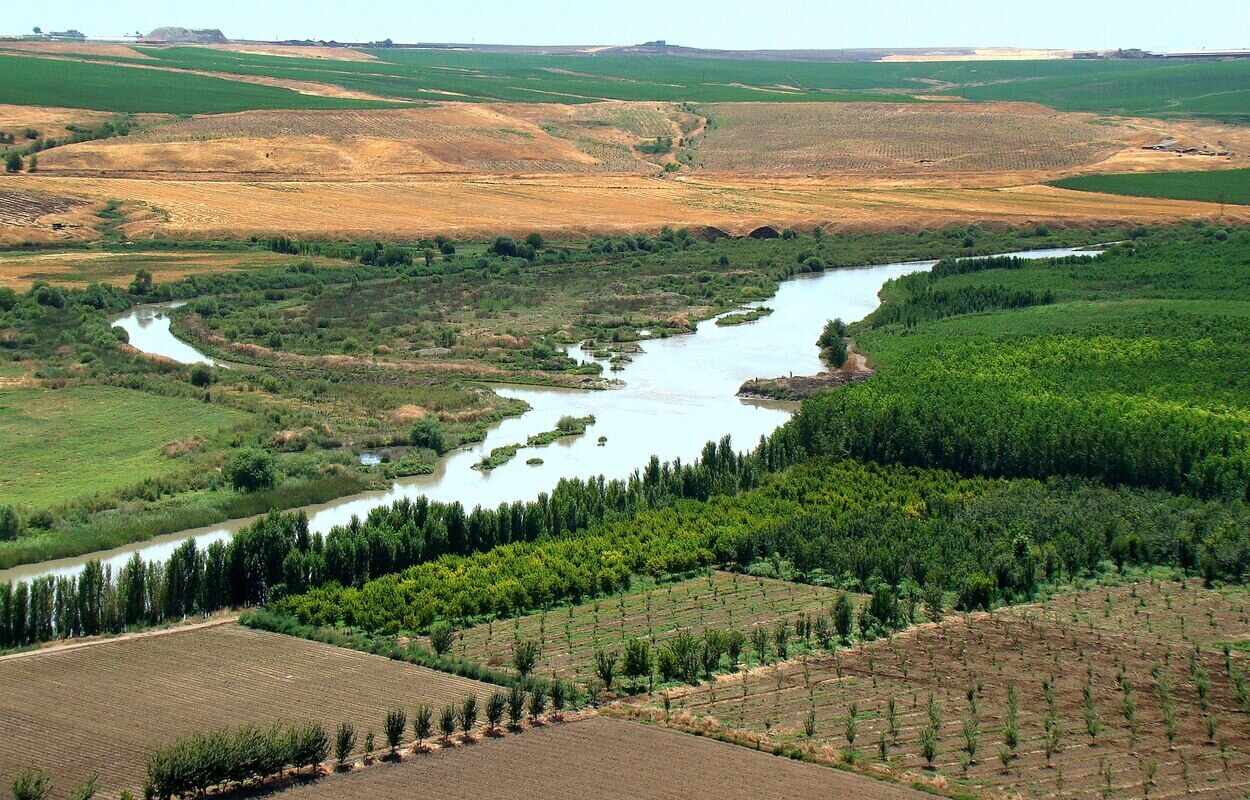
📸 Visiting Experience at Hevsel Gardens
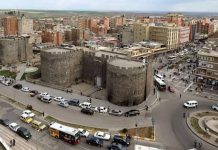
Exploring Hevsel Gardens offers visitors a peaceful escape from urban life while providing stunning views of Diyarbakır’s historic walls and the Tigris River. The contrast between ancient stone fortifications and lush greenery creates a visually striking landscape.
- 📷 Scenic photography opportunities
- 🚶 Walking and nature exploration routes
- 🌄 Panoramic viewpoints from city walls
- 🌿 Relaxing natural atmosphere
While direct access to some farming areas may be limited, visitors can enjoy the gardens from designated viewpoints and surrounding walking paths.
🌊 Relationship with the Tigris River
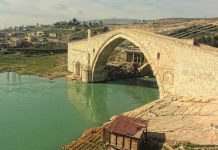
The lifeline of Hevsel Gardens is the Tigris River, which provides water essential for irrigation and ecological balance. For centuries, irrigation channels have distributed water across the fields, supporting continuous agricultural production.
This natural water system demonstrates early examples of sustainable resource management, showing how ancient communities adapted to their environment efficiently.
📅 Best Time to Visit Hevsel Gardens
Each season offers a different perspective of Hevsel Gardens, making it a year-round destination.
- 🌸 Spring: Lush greenery and blooming flowers
- ☀️ Summer: Active agricultural season
- 🍂 Autumn: Warm colors and harvest time
- ❄️ Winter: Quiet and reflective landscapes
Spring and autumn are particularly recommended for comfortable weather and vibrant scenery.
🧭 Travel Tips for Visitors
- 👟 Wear comfortable shoes for walking
- 📸 Bring a camera for landscape photography
- 🌅 Visit during sunrise or sunset for best views
- 🚶 Explore nearby Diyarbakır walls for panoramic perspectives
Combining a visit to Hevsel Gardens with nearby historical landmarks provides a comprehensive cultural and natural experience.
⭐ Why Visit Hevsel Gardens?
Hevsel Gardens offers a rare opportunity to witness a living cultural landscape that has sustained human life for thousands of years. Unlike many historical sites, it remains active, productive, and deeply connected to local communities.
Its combination of natural beauty, agricultural tradition, and historical significance makes it one of the most unique destinations in Türkiye.
📌 Final Thoughts on Hevsel Gardens
The timeless landscape of Hevsel Gardens reflects the enduring relationship between humans and nature. As both a historical resource and a living ecosystem, it continues to support life while preserving the cultural identity of Diyarbakır.
A visit to Hevsel Gardens is not just a journey through nature, but a direct connection to thousands of years of history, sustainability, and human resilience.