Roman Bath
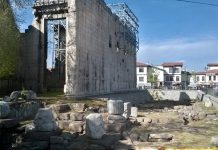
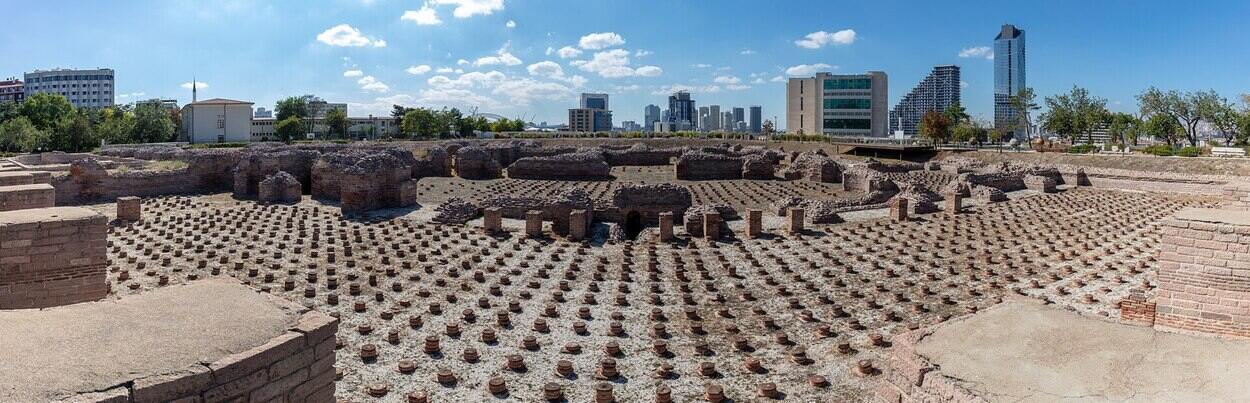
🏛️ The Roman Bath in Ankara is one of the most impressive archaeological sites revealing daily life during the Roman Empire. Located in the Ulus district, this open-air museum preserves the remains of a massive bathing complex that once served as a social, cultural, and hygienic center for ancient citizens of Ancyra.
📜 Historical Background of Roman Bath
The Roman Bath dates back to the 3rd century AD and was constructed during the reign of Roman Emperor Caracalla. Like many Roman cities, Ancyra adopted advanced public bath systems that symbolized civilization, urban planning, and social equality.
Roman baths were not merely places for washing. They functioned as gathering spaces where citizens discussed politics, conducted business, exercised, and relaxed. The Ankara bath complex became one of the most important communal structures in the region.
Archaeological excavations began in the early 20th century and revealed extensive remains spread across a large area, confirming the significance of this monumental complex.
🏗️ Architectural Structure of Roman Bath
The Roman Bath complex followed a classic Roman bathing sequence designed for both comfort and efficiency. Visitors moved gradually through rooms of different temperatures, creating a structured bathing ritual.
- 🔥 Caldarium: The hot room used for sweating and cleansing
- 🌡️ Tepidarium: The warm transition area
- ❄️ Frigidarium: The cold pool for refreshing the body
- 🏃 Palaestra: Open courtyard used for exercise
- 🧱 Hypocaust heating system circulating hot air beneath floors
The engineering behind the hypocaust system remains one of the greatest technological achievements of Roman architecture. Heated air flowed through channels under marble floors, maintaining controlled temperatures throughout the facility.
🌍 Social Life in Roman Bath Culture
The Roman Bath was central to Roman social life. Citizens visited daily, regardless of social class, making baths one of the few public spaces promoting social interaction across economic boundaries.
Bathing rituals followed a specific routine: exercise, sweating, oil massage, cleansing with strigils, and cooling down. These practices highlight the Roman emphasis on health, wellness, and community engagement.
For historians, the Ankara bath complex provides valuable insight into how Roman urban society functioned beyond military and political structures.
🧱 Archaeological Discoveries
Excavations at the Roman Bath uncovered thousands of artifacts that illustrate everyday life in ancient Ancyra.
- 🏺 Ceramic fragments and household items
- 🪙 Roman coins from multiple emperors
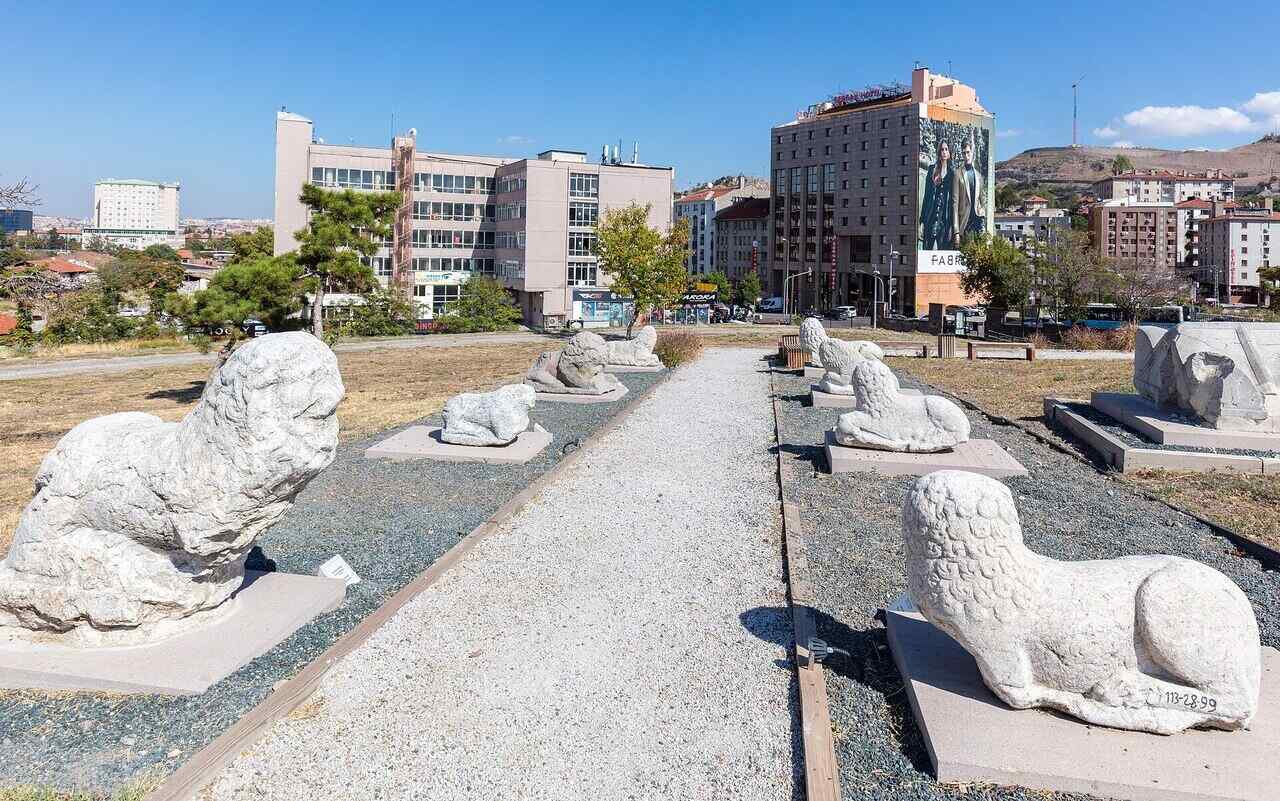
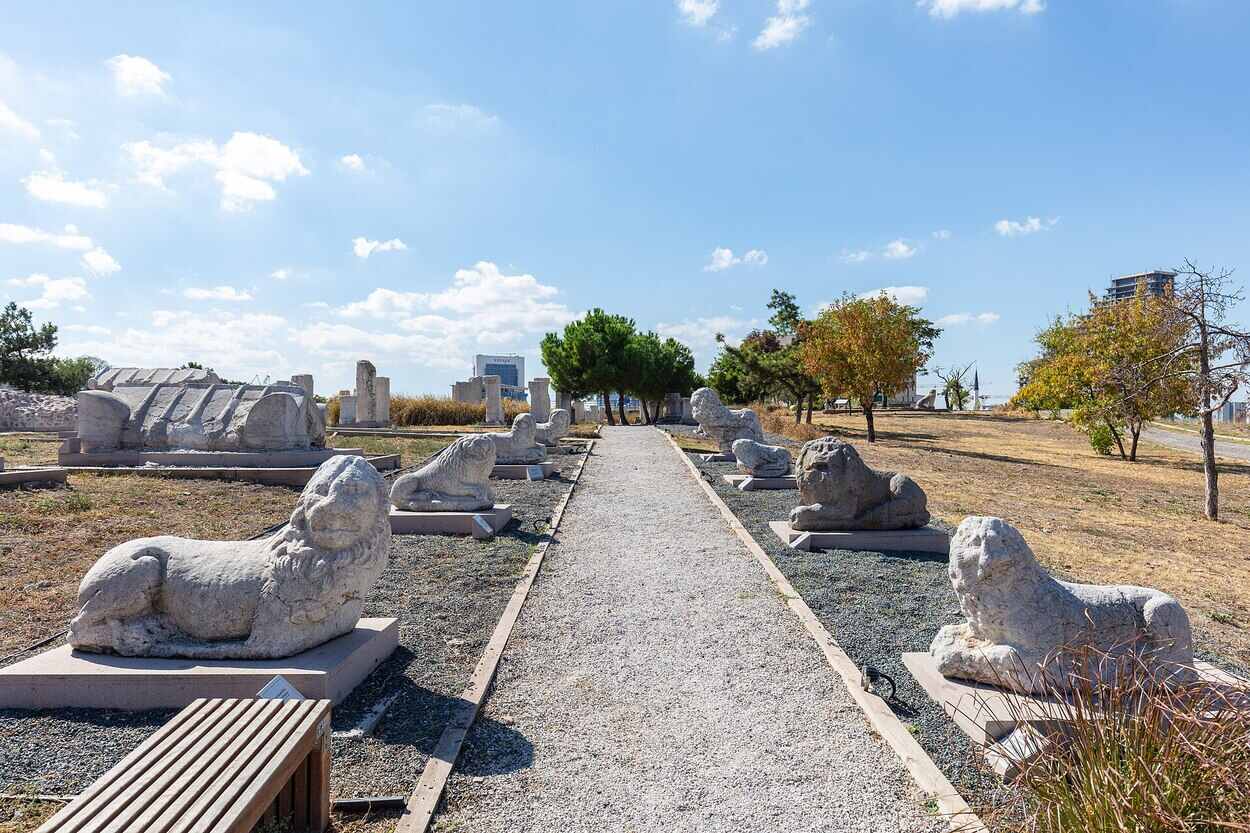
- 🗿 Statues and decorative architectural pieces
- 🧩 Marble flooring remains
- 📚 Inscribed stones revealing administrative information
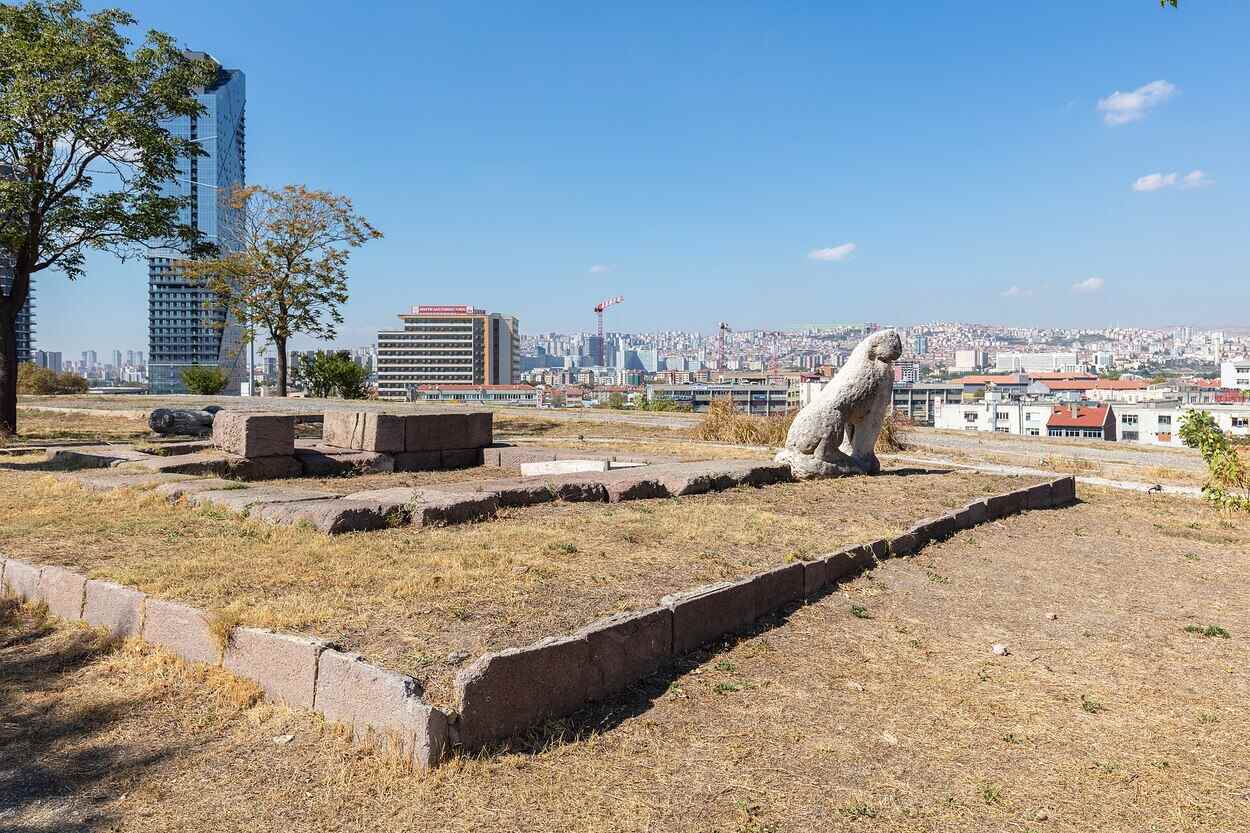
These discoveries transformed the area into an important archaeological park, allowing visitors to walk among authentic Roman ruins.
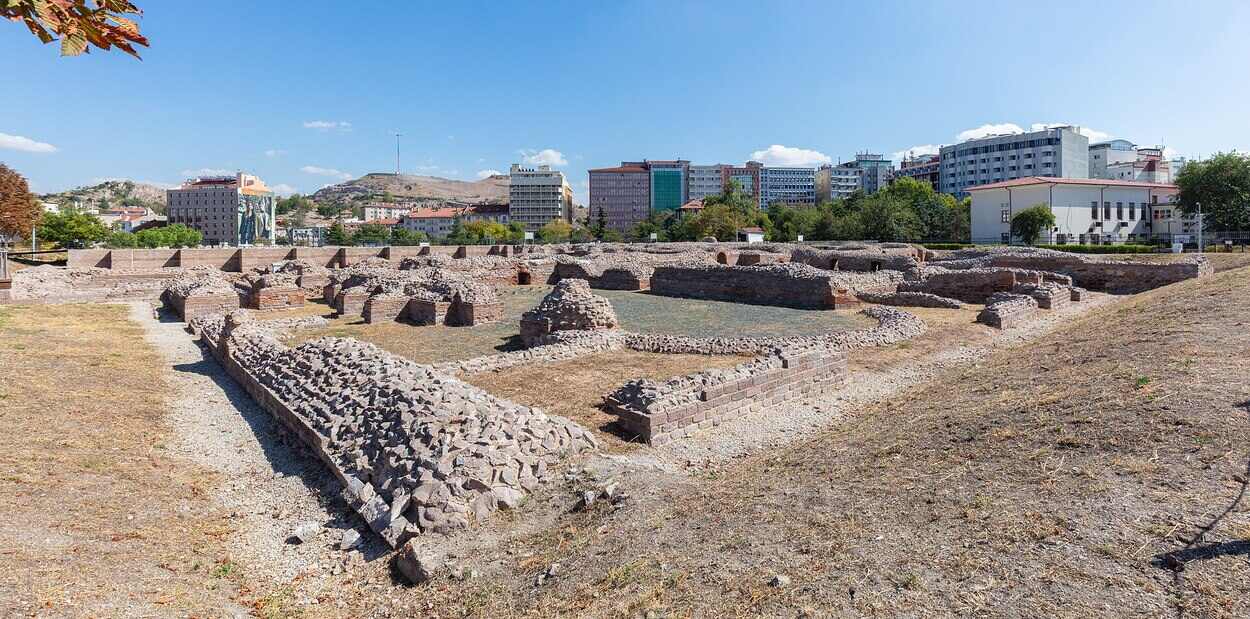
📸 Visiting Roman Bath Today
Today, the Roman Bath operates as an open-air museum where visitors can freely explore ancient foundations and reconstructed pathways. Informational panels explain the layout and function of each section.
- 🎟️ Museum entrance ticket required
- 🕘 Open during standard museum hours
- 📷 Excellent photography opportunities
- 🚶 Easy access from Ulus and Ankara Castle
- 🌳 Spacious outdoor environment ideal for walking tours
Because the site is outdoors, visiting during mild weather seasons such as spring or autumn provides the most comfortable experience.
🏺 Importance of Roman Bath in Ankara’s Heritage
The Roman Bath represents Ankara’s transformation from an Anatolian settlement into a sophisticated Roman provincial capital. The scale of the complex demonstrates the economic prosperity and administrative importance of ancient Ancyra.
Unlike reconstructed monuments, the bath remains largely authentic, preserving original stonework and urban planning elements. This authenticity makes the site especially valuable for archaeology enthusiasts and cultural travelers.
The ruins also show how Roman infrastructure influenced later civilizations, shaping urban development patterns that continued into Byzantine and Ottoman periods.
✨ Travel Tips for Exploring Roman Bath
- 👟 Wear comfortable walking shoes for uneven stone paths
- ☀️ Bring sun protection during summer visits
- 📸 Visit early morning for softer lighting
- 🧭 Combine the trip with nearby historical sites in Ulus
- 📚 Reading about Roman bath culture beforehand enhances the experience
Exploring the Roman Bath offers visitors a rare opportunity to visualize daily routines of ancient Roman citizens rather than only monumental temples or military structures.
🧿 Final Thoughts on Roman Bath
The Roman Bath stands as one of Ankara’s most informative archaeological landmarks, revealing how advanced Roman engineering and social organization shaped urban life nearly two thousand years ago.
Walking through the ruins allows travelers to imagine conversations, rituals, and daily activities that once filled these spaces. For anyone interested in history, architecture, or ancient culture, this site provides a powerful and educational experience within Turkey’s modern capital.