Hattusa Travel Guide
Welcome to the Hattusa Travel Guide, your complete resource for exploring one of Türkiye’s most important archaeological treasures. Once the powerful capital of the Hittite Empire, Hattusa offers visitors an extraordinary journey into Bronze Age civilization. Located near modern-day Boğazkale in central Anatolia, this UNESCO World Heritage Site combines monumental ruins, ancient temples, royal gates, and breathtaking landscapes.
This detailed guide covers everything you need to plan a perfect visit — history, top experiences, travel tips, accommodation options, maps, and frequently asked questions.
🌍 Overview
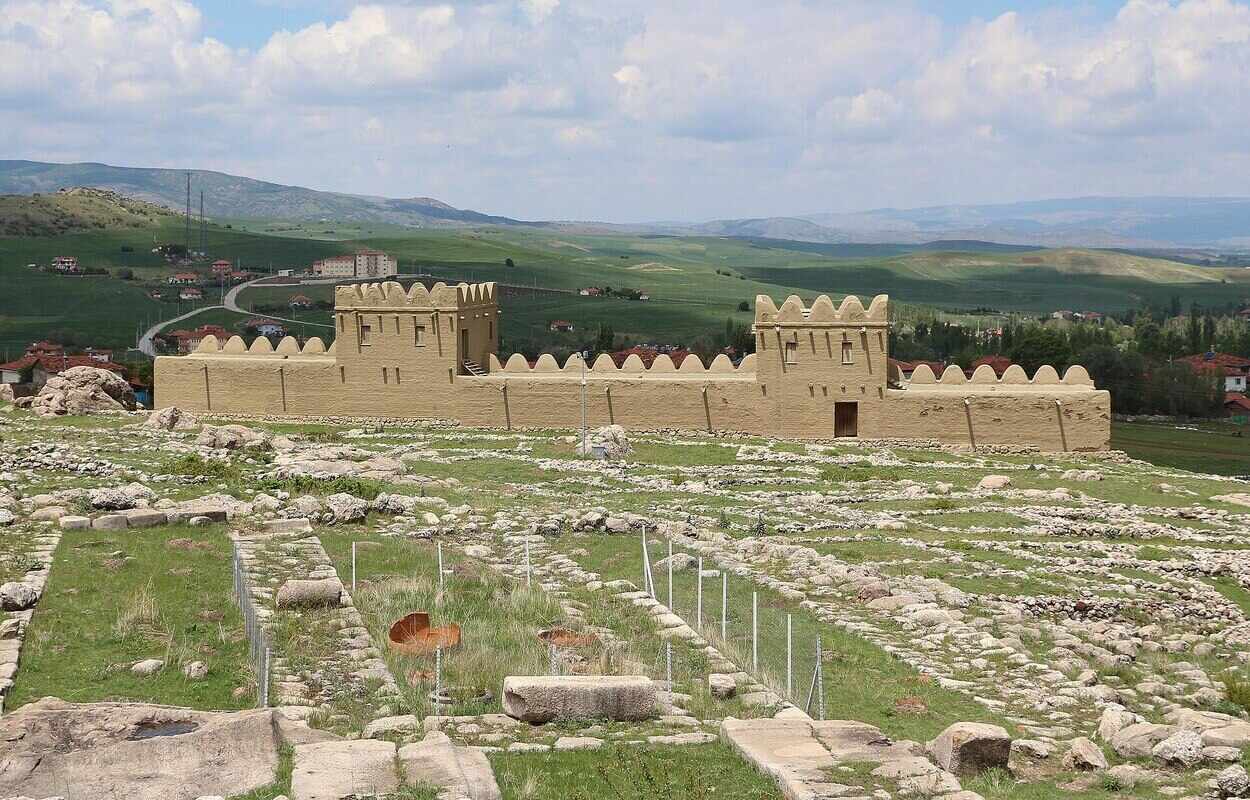
Hattusa was the political, religious, and military center of the Hittite Empire during the second millennium BCE. Spread across hills and valleys, the ancient city covers a vast area surrounded by massive defensive walls stretching more than six kilometers.
- 📍 Location: Boğazkale, Çorum Province
- 🏛️ UNESCO World Heritage Site
- 🗿 Capital of the Hittite Empire
- ⏳ Peak Period: 1600–1200 BCE
- 🚗 Distance from Ankara: approx. 200 km
Unlike compact ancient cities, Hattusa feels monumental and wild. Visitors explore open landscapes where history merges with nature, making the Hattusa Travel Guide essential for planning sufficient time and transportation.
🏺 History of Hattusa
The history of Hattusa dates back over 4,000 years. Originally settled by the Hattians, the city later became the capital of the Hittites — one of the great powers of the ancient Near East alongside Egypt, Babylon, and Assyria.
King Hattusili I established Hattusa as the imperial capital around the 17th century BCE. The city flourished under powerful rulers such as Suppiluliuma I, who expanded Hittite influence across Anatolia and Syria.
Hattusa became famous for advanced administration, diplomacy, and early international treaties. The Treaty of Kadesh between the Hittites and Egypt represents one of the world’s earliest known peace agreements.
At its height, Hattusa contained royal palaces, temples, archives of cuneiform tablets, and sophisticated urban planning. Around 1200 BCE, the city was abandoned during the Bronze Age collapse, leaving behind remarkably preserved ruins discovered again in the 19th century.
🏛️ Things to Do in Hattusa
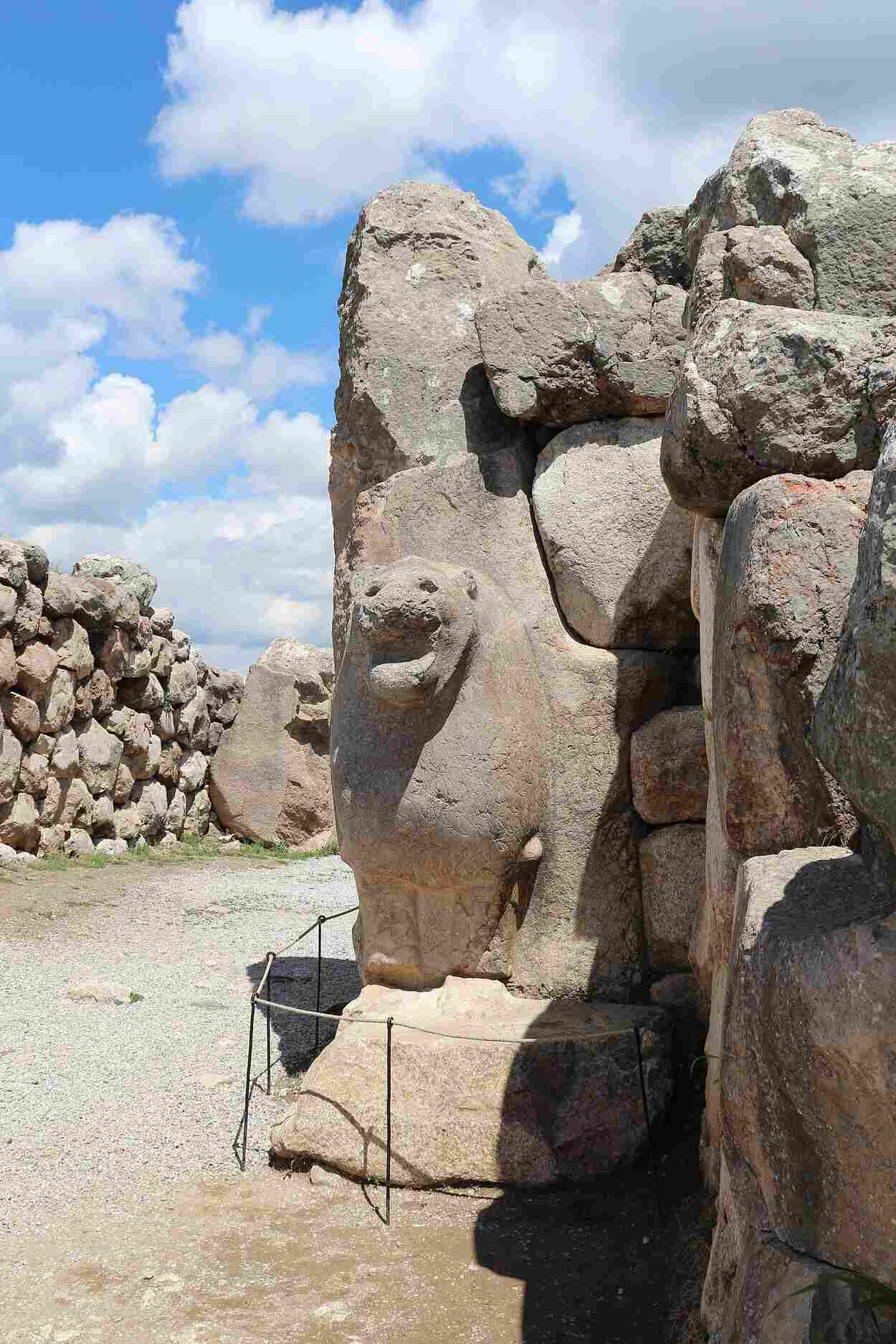
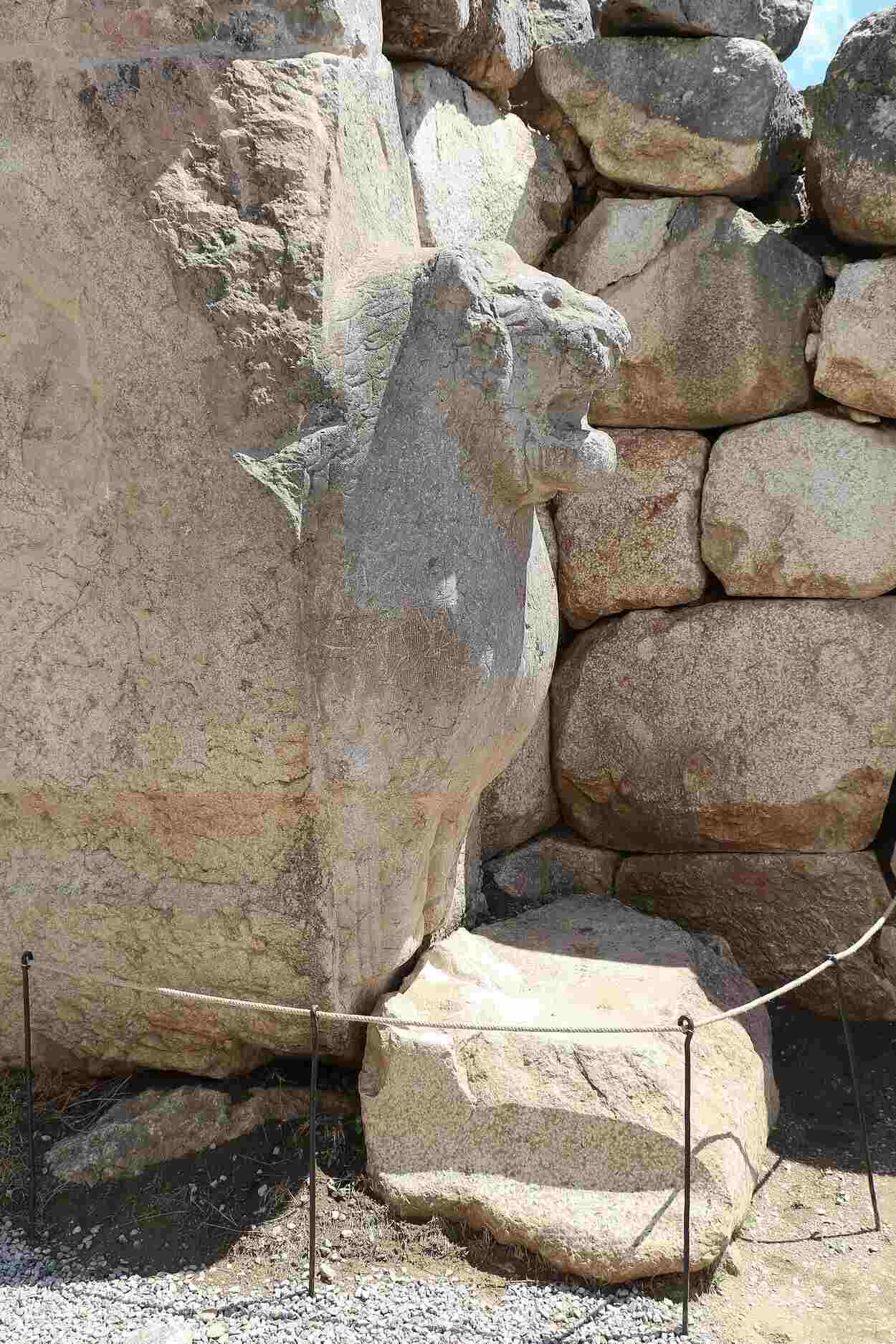
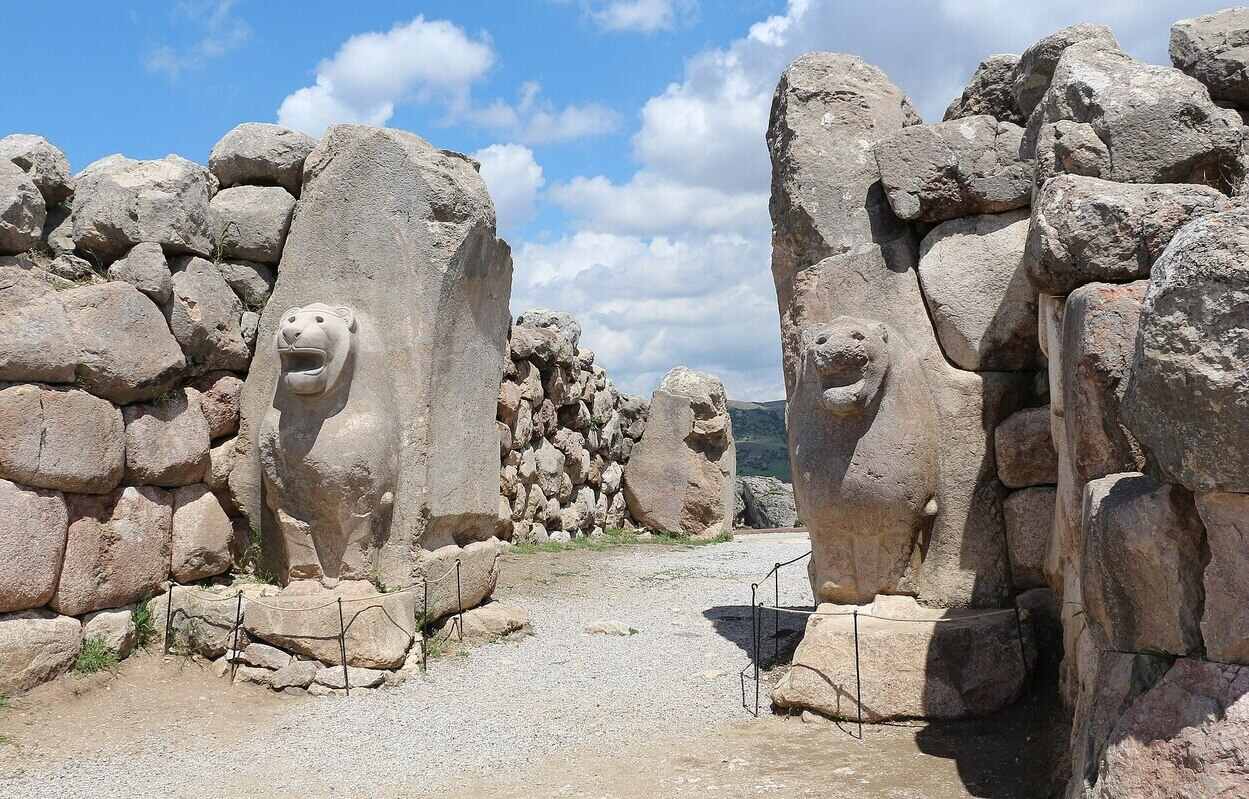
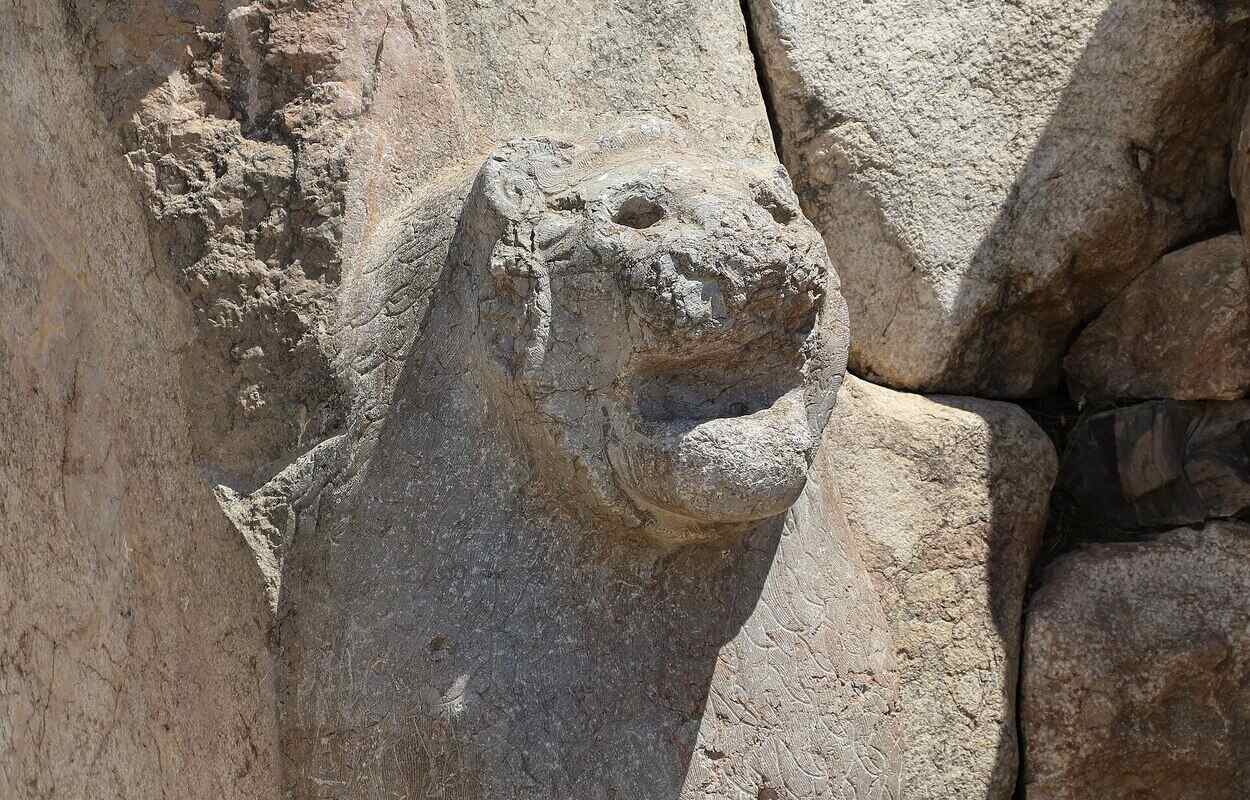
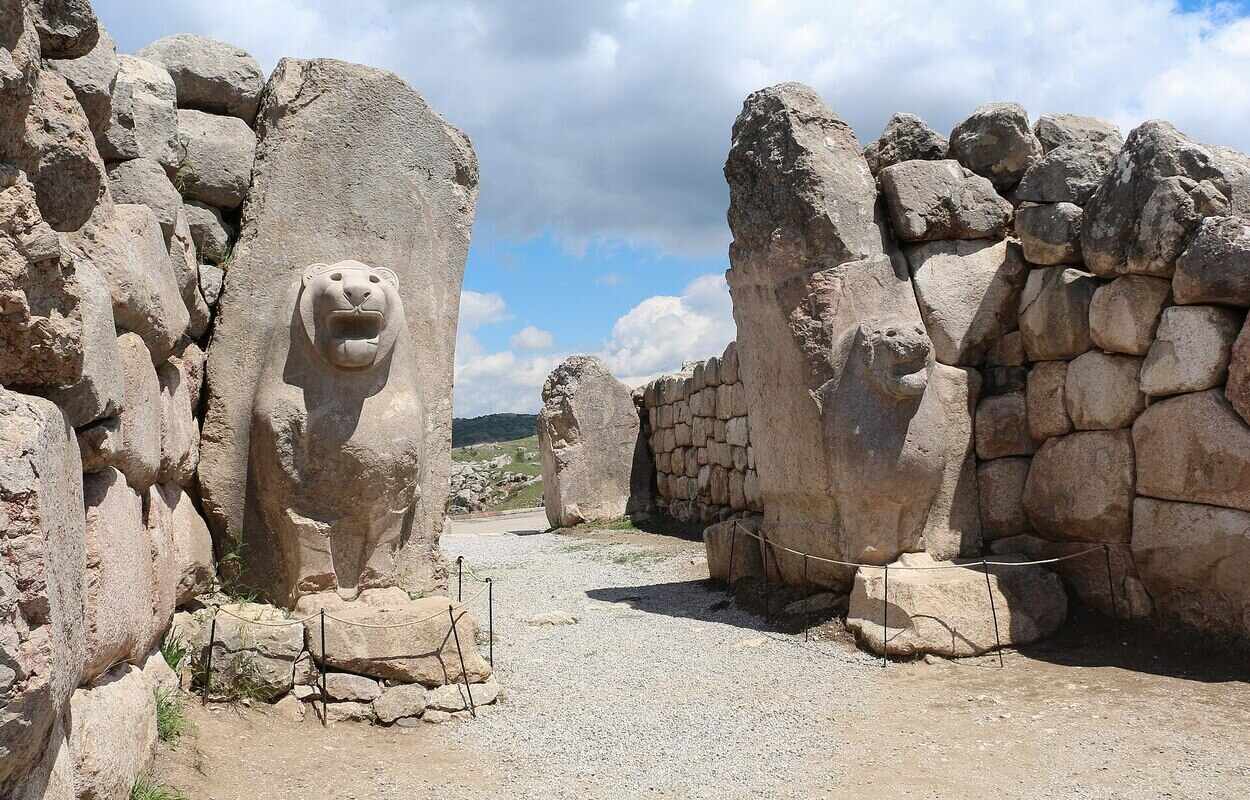
🦁 Explore the Lion Gate
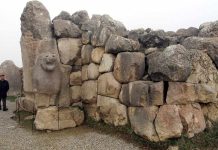
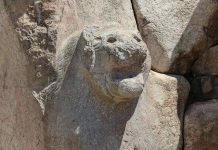
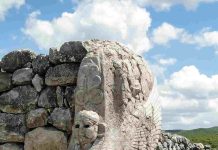
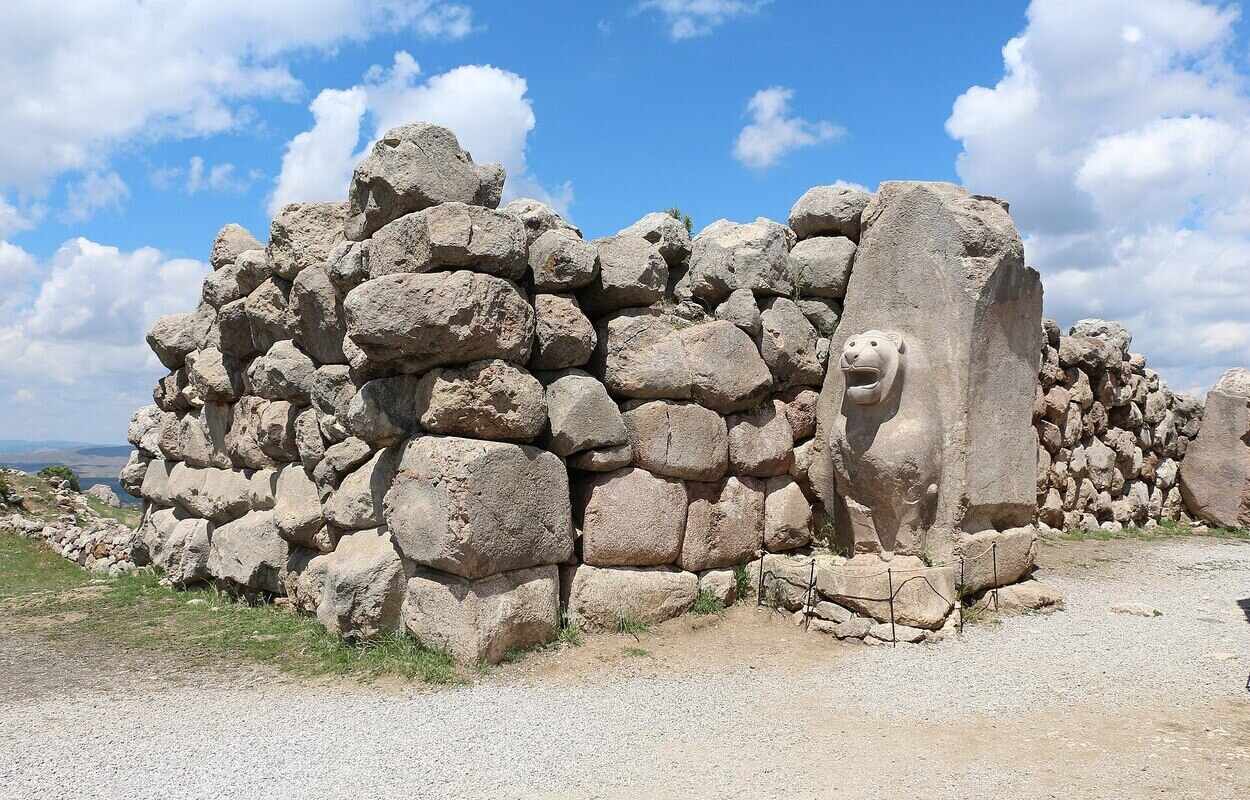
The Lion Gate is one of Hattusa’s most iconic entrances. Massive stone lions guarded the city, symbolizing royal authority and divine protection.
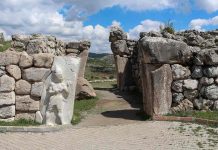
🚪 Walk Through the King’s Gate
Decorated with relief carvings of warriors, the King’s Gate provides insight into Hittite military culture and artistic traditions.
🏔️ Visit the Great Temple
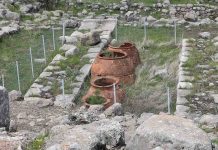
Dedicated to the Storm God and Sun Goddess, the Great Temple formed the religious heart of the city. Storage rooms and ritual spaces reveal complex ceremonial life.
🗿 Discover Yazılıkaya Open-Air Sanctuary
Located nearby, Yazılıkaya contains carved rock reliefs depicting dozens of Hittite gods in procession. This sacred sanctuary is among the most impressive archaeological sites in Anatolia.
🚶 Walk the Ancient City Walls
Sections of reconstructed fortifications allow visitors to imagine the immense defensive system protecting the capital.
📸 Panorama Points
Elevated viewpoints across the ruins offer spectacular photo opportunities combining archaeology and Anatolian landscapes.
Exploring these highlights is central to experiencing the Hattusa Travel Guide fully.
🌤️ Best Time to Visit Hattusa
Choosing the right season significantly improves your visit due to the open and expansive terrain.
- 🌸 Spring (April–June): Ideal temperatures and green scenery
- ☀️ Summer (July–August): Hot but quiet mornings recommended
- 🍂 Autumn (September–October): Comfortable weather and fewer crowds
- ❄️ Winter: Atmospheric but cold and sometimes snowy
Spring and autumn are widely considered the best seasons in the Hattusa Travel Guide, offering comfortable exploration conditions.
🚗 How to Get There
✈️ By Air
The nearest major airport is Ankara Esenboğa Airport. From Ankara, travelers continue by car or bus toward Çorum and Boğazkale.
🚌 By Bus
Regular buses connect Ankara and Çorum. From Çorum city center, minibuses or taxis reach Boğazkale.
🚙 By Car (Recommended)
Driving offers the most flexibility. The archaeological zones are spread across a large area, making private transportation highly convenient.
- Ankara → Hattusa: ~3 hours
- Cappadocia → Hattusa: ~4 hours
- Samsun → Hattusa: ~3.5 hours
Most visitors find renting a car the most efficient option described in this Hattusa Travel Guide.
🏨 Where to Stay
🏡 Boğazkale Boutique Hotels
Small family-run pensions near the site provide authentic hospitality and easy access to ruins.
🏨 Çorum City Hotels
For more comfort and dining options, staying in Çorum city center is a popular alternative.
🌄 Nature Lodges
Rural accommodations offer peaceful surroundings ideal for travelers interested in archaeology and nature.
- ✔ Quiet atmosphere
- ✔ Traditional Anatolian breakfasts
- ✔ Friendly local hosts
🗺️ Map & Orientation
Hattusa consists of multiple sectors rather than a single compact ruin:
- 🧭 Lower City – Great Temple complex
- 🏛️ Upper City – temples and administrative buildings
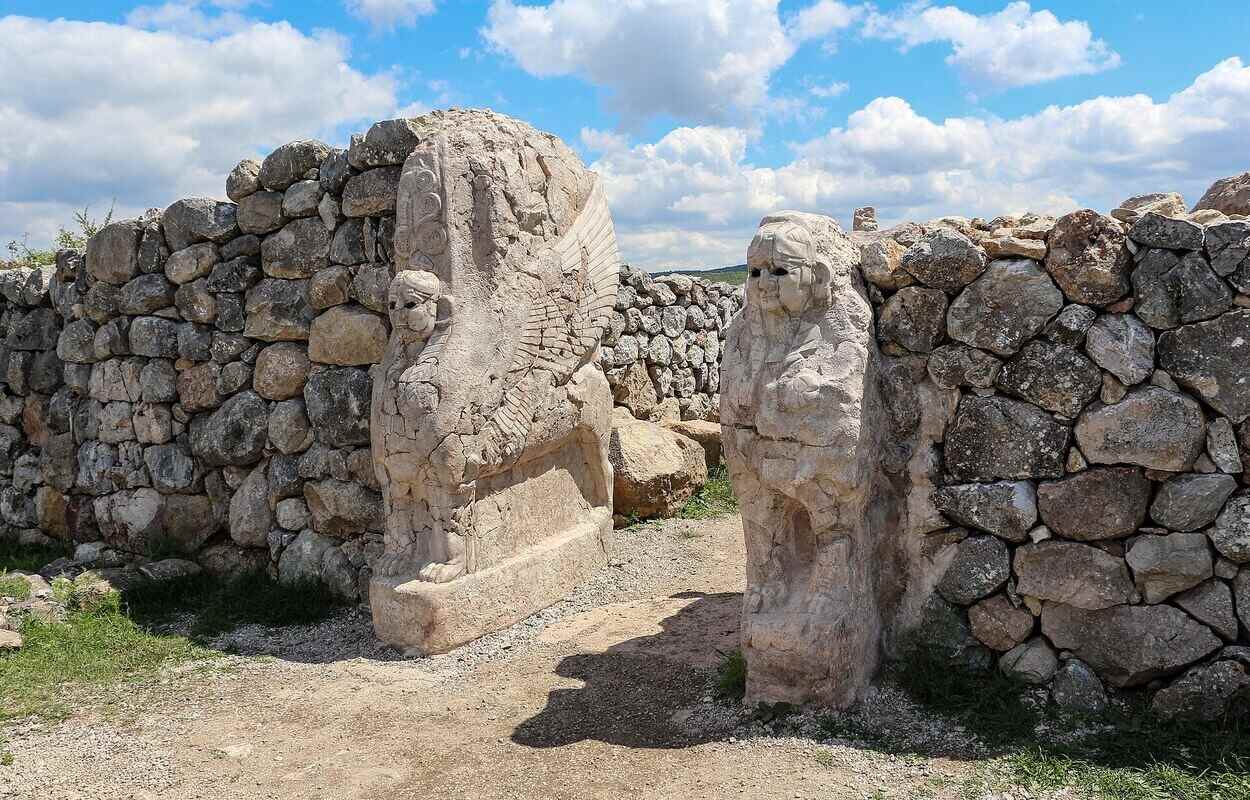
- 🚪 Monumental Gates – Lion Gate, King’s Gate, Sphinx Gate
- 🗿 Yazılıkaya Sanctuary – 2 km northeast
Because distances are large, planning your route beforehand is strongly recommended.
❓ FAQ – Hattusa Travel Guide
Is Hattusa worth visiting?
Yes. Hattusa is one of the most historically significant archaeological sites in the world and offers a unique experience different from coastal ancient cities.
How long should I spend in Hattusa?
Allocate at least half a day; a full day allows deeper exploration including Yazılıkaya.
Do I need a guide?
A guide enhances understanding, but informational signs make independent visits possible.
Is Hattusa crowded?
Compared to Ephesus or Cappadocia, Hattusa remains relatively peaceful.
Can I visit year-round?
Yes, though spring and autumn provide the most comfortable conditions.
✨ Final Thoughts
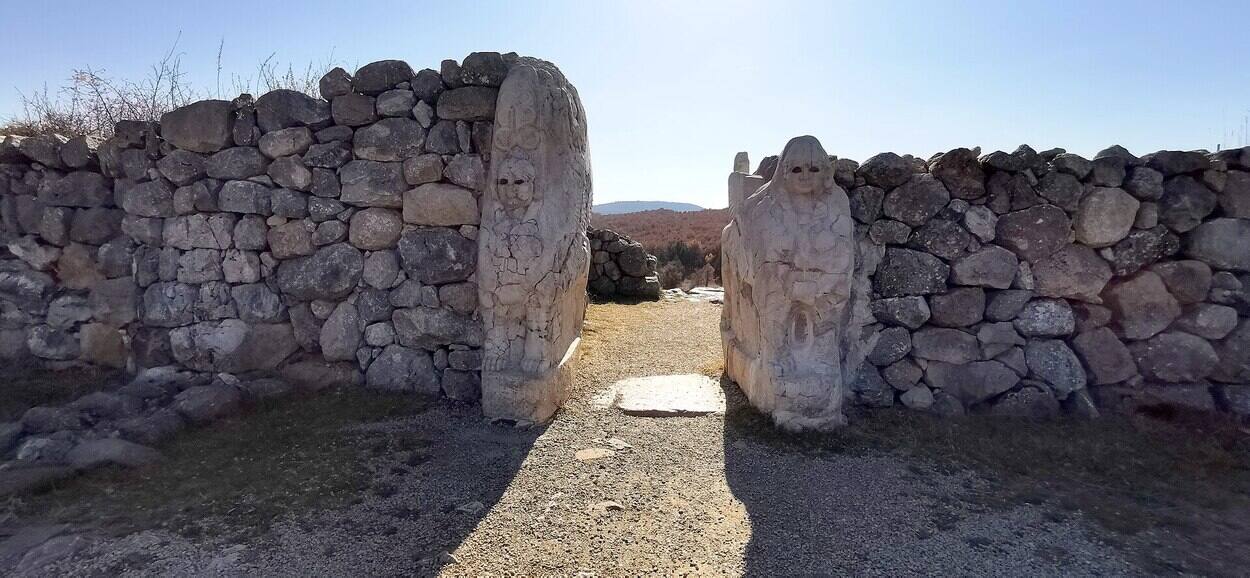
The Hattusa Travel Guide reveals a destination that goes far beyond typical tourism. Walking through ancient gates, sacred sanctuaries, and royal avenues allows visitors to experience the legacy of one of humanity’s earliest empires.
For travelers interested in archaeology, history, and authentic Anatolian landscapes, Hattusa offers an unforgettable journey into the deep past — a place where civilization itself once shaped the world.