🏛️ Top Attractions in Hattusa
The ancient city of Hattusa, once the powerful capital of the Hittite Empire, stands today as one of Türkiye’s most fascinating archaeological destinations. Located near modern-day Boğazkale, this UNESCO World Heritage Site offers massive stone gates, sacred temples, royal structures, and mysterious rock sanctuaries that reveal the advanced civilization of the Hittites.
Exploring the Top Attractions in Hattusa allows visitors to walk through more than 3,000 years of history. The city spreads across hills and valleys, creating an immersive open-air museum where political power, religion, and daily life once merged into one extraordinary ancient metropolis.
🦁 Lion Gate
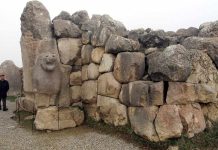
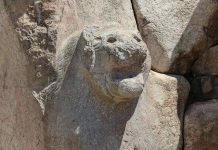
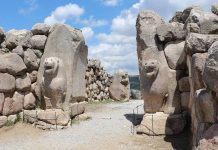
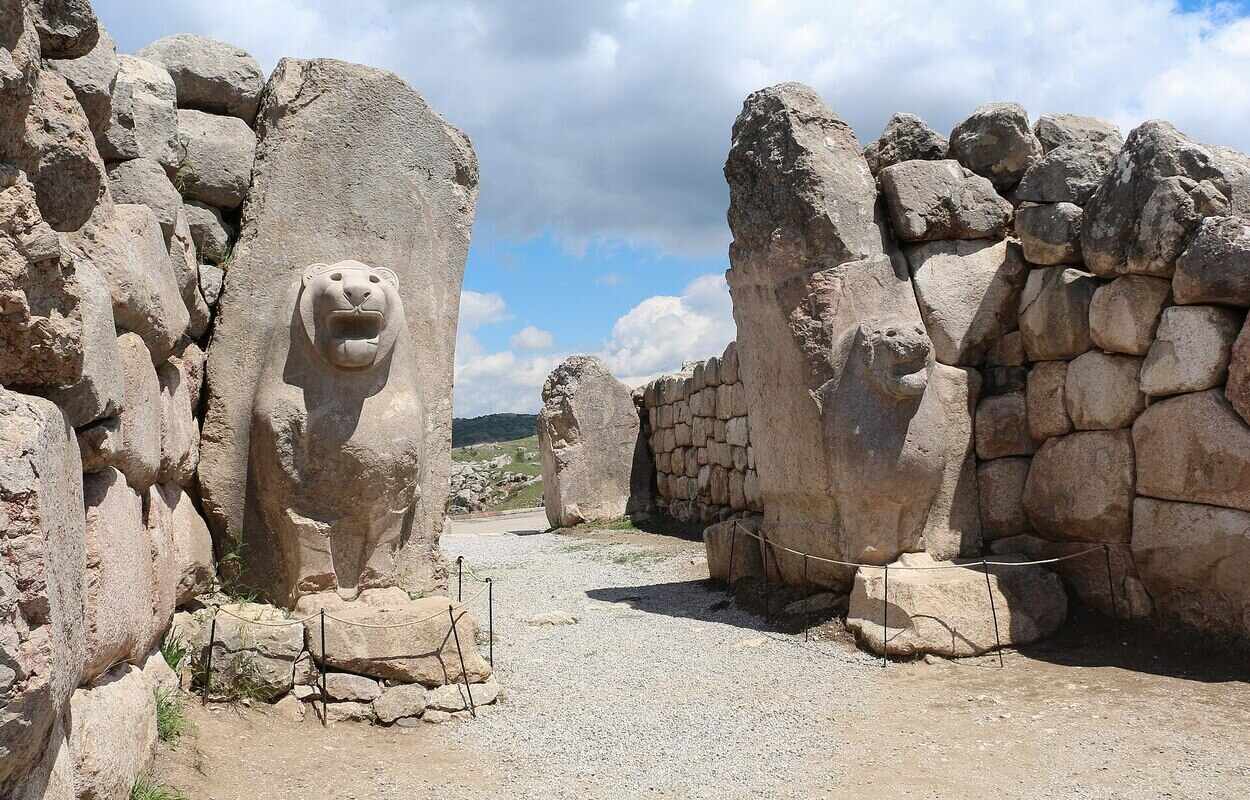
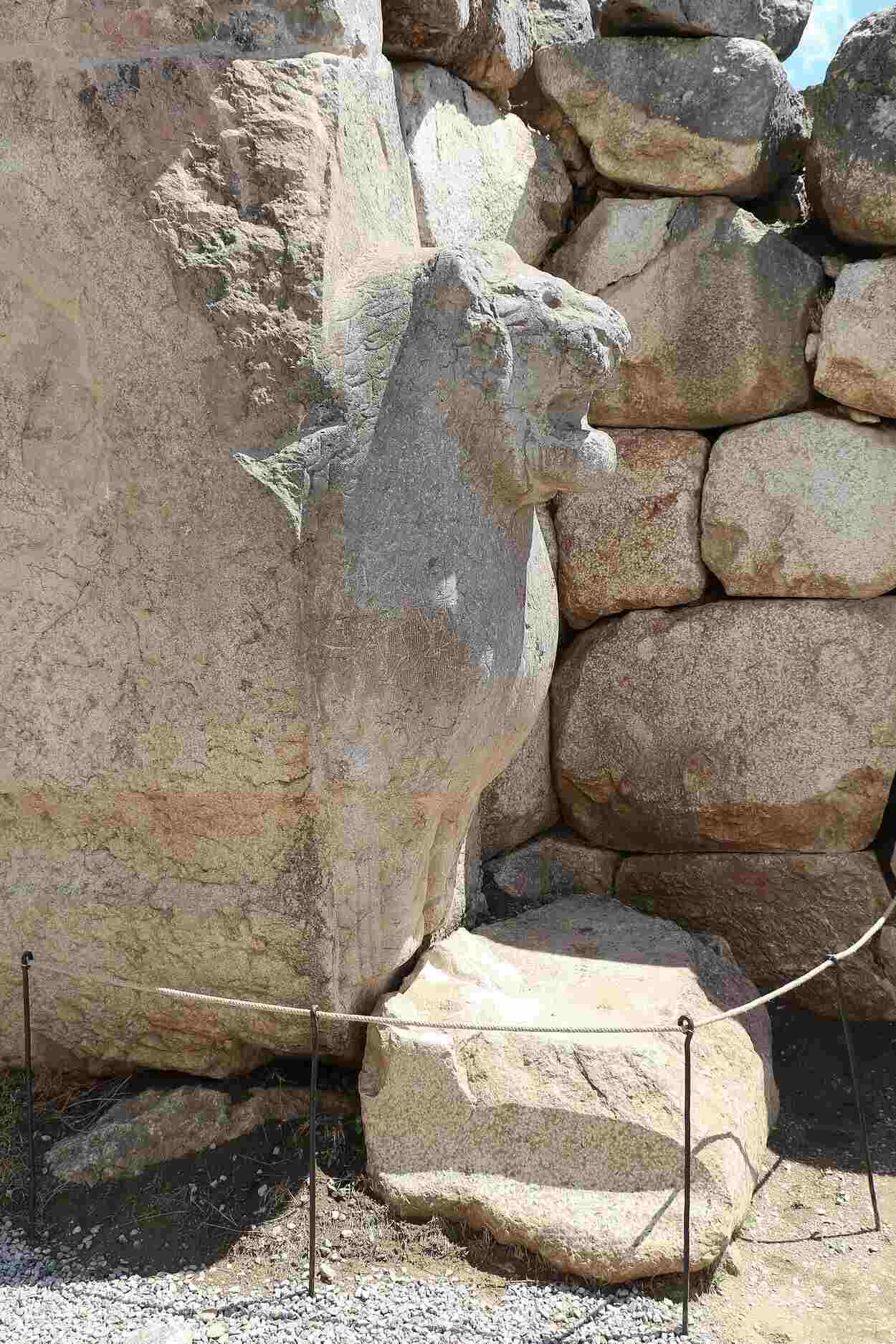
The Lion Gate is one of the most iconic landmarks among the Top Attractions in Hattusa. Built in the 14th century BCE, this monumental entrance features massive carved lions positioned on both sides of the gate.
- ✔️ Symbol of protection and royal authority
- ✔️ Excellent example of Hittite stone craftsmanship
- ✔️ Popular photography location
These guardian lions were believed to ward off evil spirits entering the city. Even today, the structure conveys strength and political symbolism characteristic of the Hittite Empire.
🚪 King’s Gate
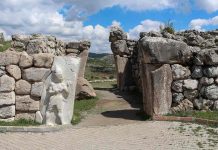
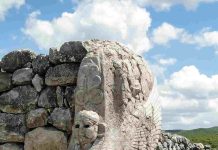
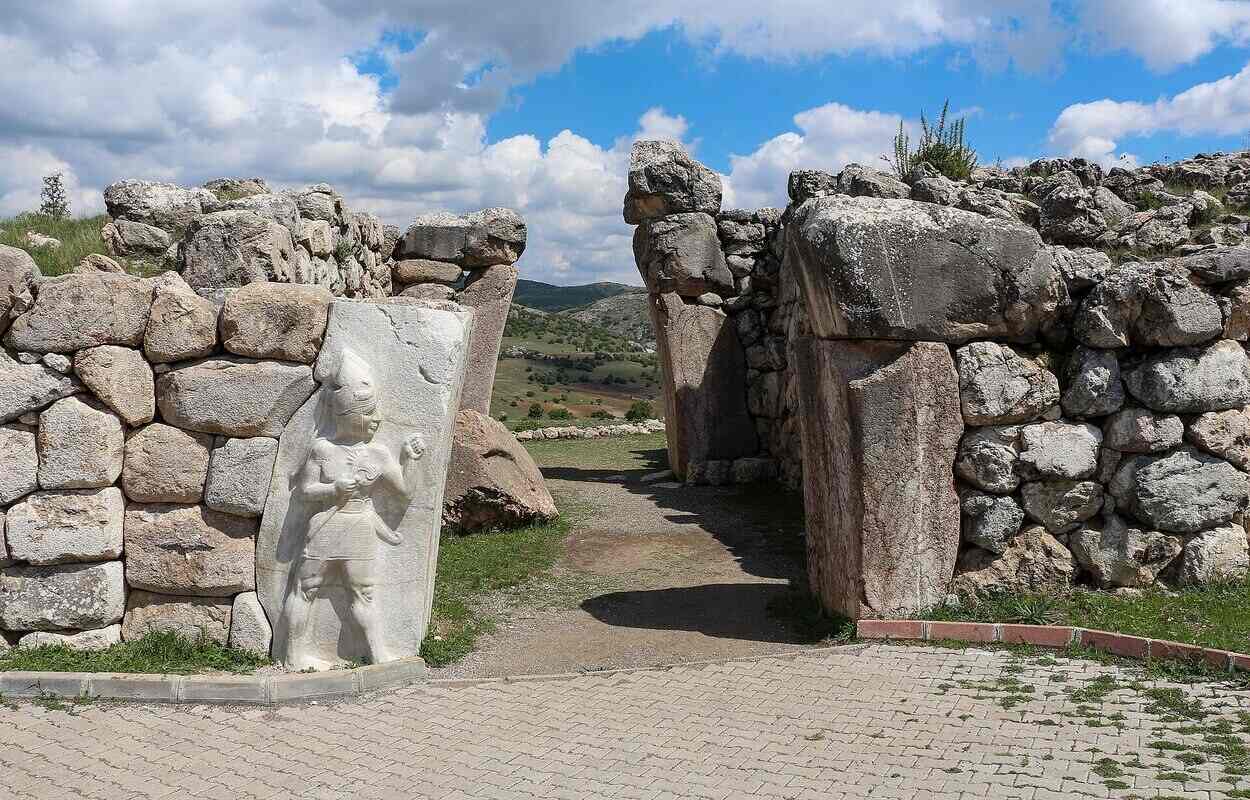
Another impressive entrance, the King’s Gate, showcases advanced military architecture. A relief carving depicting a warrior god decorates the inner side of the gate, emphasizing the sacred protection of the city.
Visitors exploring the Top Attractions in Hattusa often notice how defensive planning blended seamlessly with religious symbolism.
- ✔️ Defensive fortification system
- ✔️ Religious and military significance
- ✔️ Panoramic views from surrounding walls
🏛️ Great Temple (Temple I)
The Great Temple represents the religious heart of ancient Hattusa. Dedicated to the Storm God and the Sun Goddess of Arinna, this massive complex once served as the central place of worship for the Hittite state religion.
As one of the most important Top Attractions in Hattusa, the temple reveals how religion governed political authority.
- ✔️ Largest sacred building in the city
- ✔️ Storage rooms and ceremonial courtyards
- ✔️ Evidence of ritual offerings
Walking through the temple foundations helps visitors visualize large ceremonies attended by priests, nobles, and royal leaders.
🏰 Hattusa City Walls and Tunnels
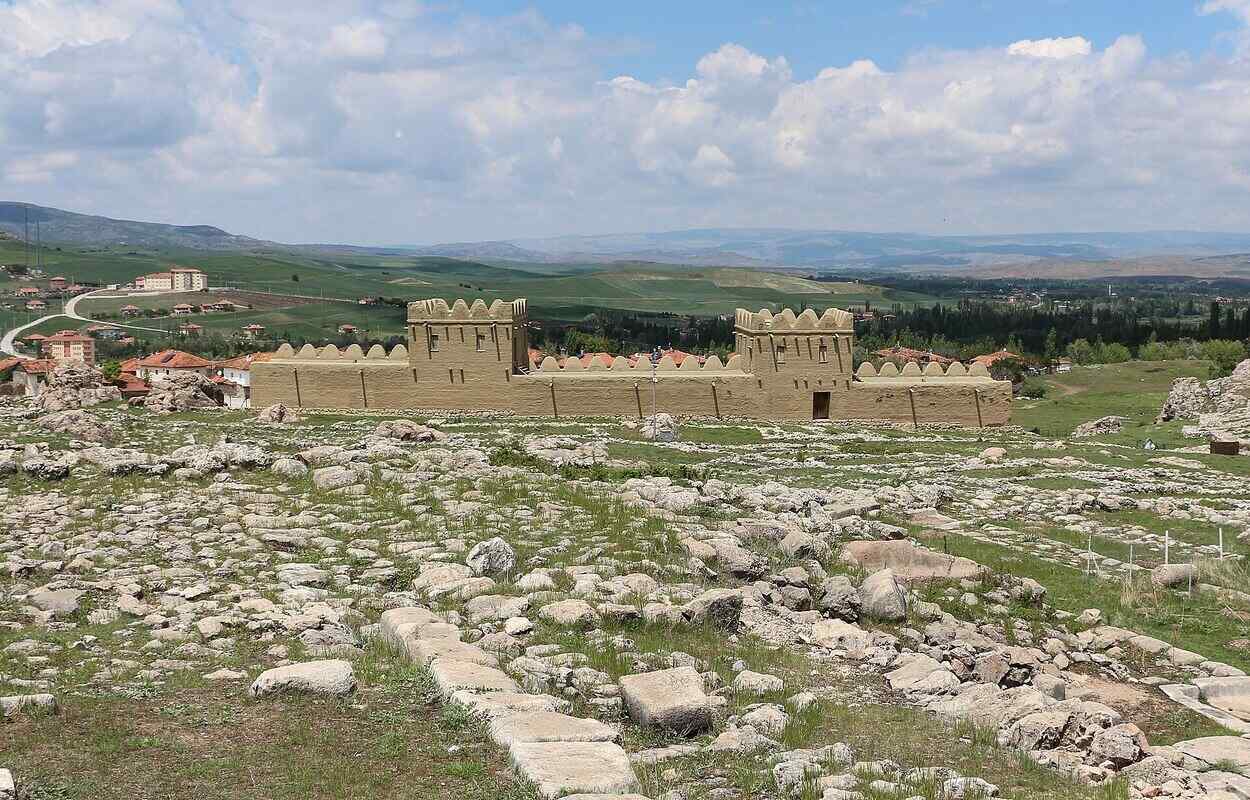
The defensive walls of Hattusa once extended over six kilometers, protecting the capital with advanced engineering techniques. Portions of these walls have been reconstructed, allowing visitors to understand the city’s immense scale.
- ✔️ Cyclopean stone construction
- ✔️ Secret tunnels used for defense
- ✔️ Elevated viewpoints over the landscape
These fortifications remain essential highlights among the Top Attractions in Hattusa, demonstrating how seriously the Hittites approached security and urban planning.
🪨 Yazılıkaya Rock Sanctuary
Located just outside the main city, Yazılıkaya is an open-air rock sanctuary carved directly into natural stone formations. The sanctuary contains remarkable reliefs depicting gods, goddesses, and mythological processions.
- ✔️ Sacred ceremonial area
- ✔️ Detailed carvings of Hittite deities
- ✔️ Unique spiritual atmosphere
Many historians believe Yazılıkaya functioned as a ceremonial calendar or religious gathering place. Its artistic and spiritual significance makes it one of the most unforgettable Top Attractions in Hattusa.
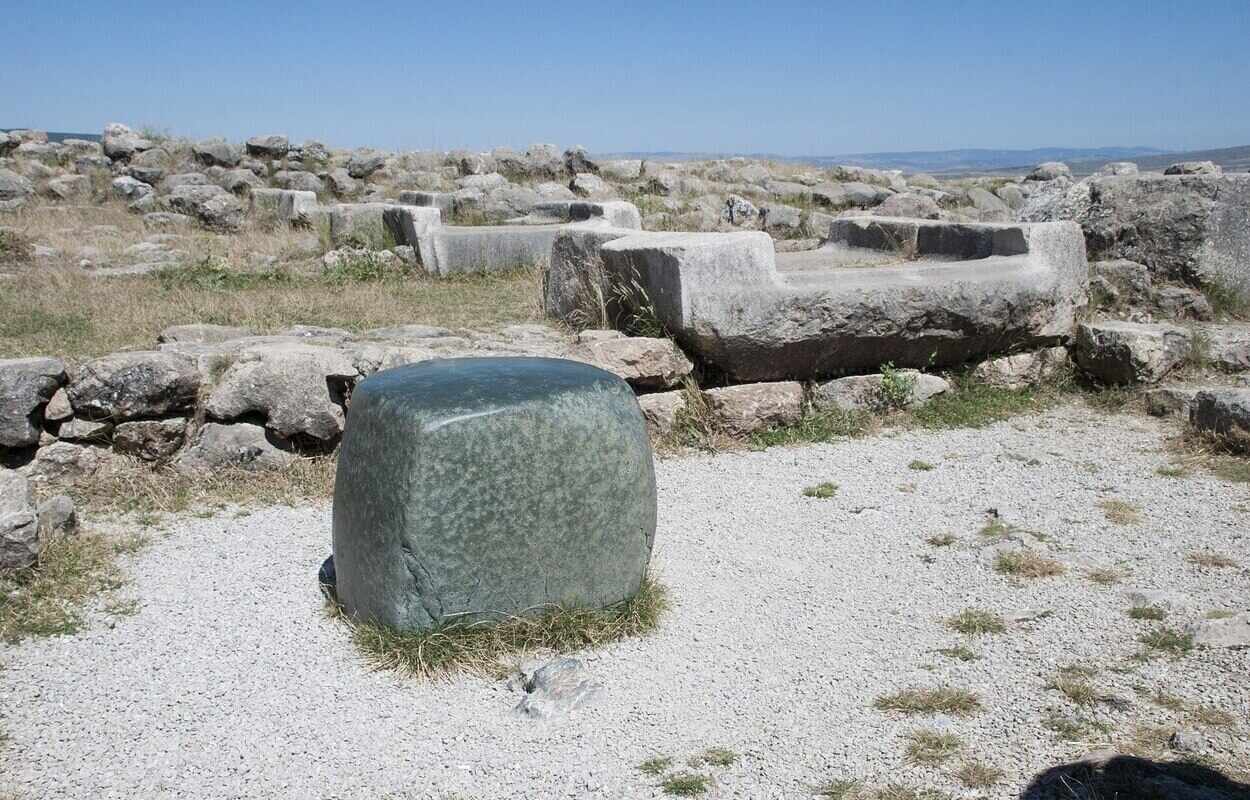
🏺 The Royal Citadel (Büyükkale)
Büyükkale served as the administrative and royal center of the Hittite Empire. Archaeologists uncovered royal archives here containing thousands of clay tablets written in cuneiform script.
- ✔️ Political headquarters of the empire
- ✔️ Discovery site of diplomatic treaties
- ✔️ Elevated strategic location
The archives discovered in this area provided crucial information about Hittite diplomacy, law, and international relations, making it an essential stop when exploring the Top Attractions in Hattusa.
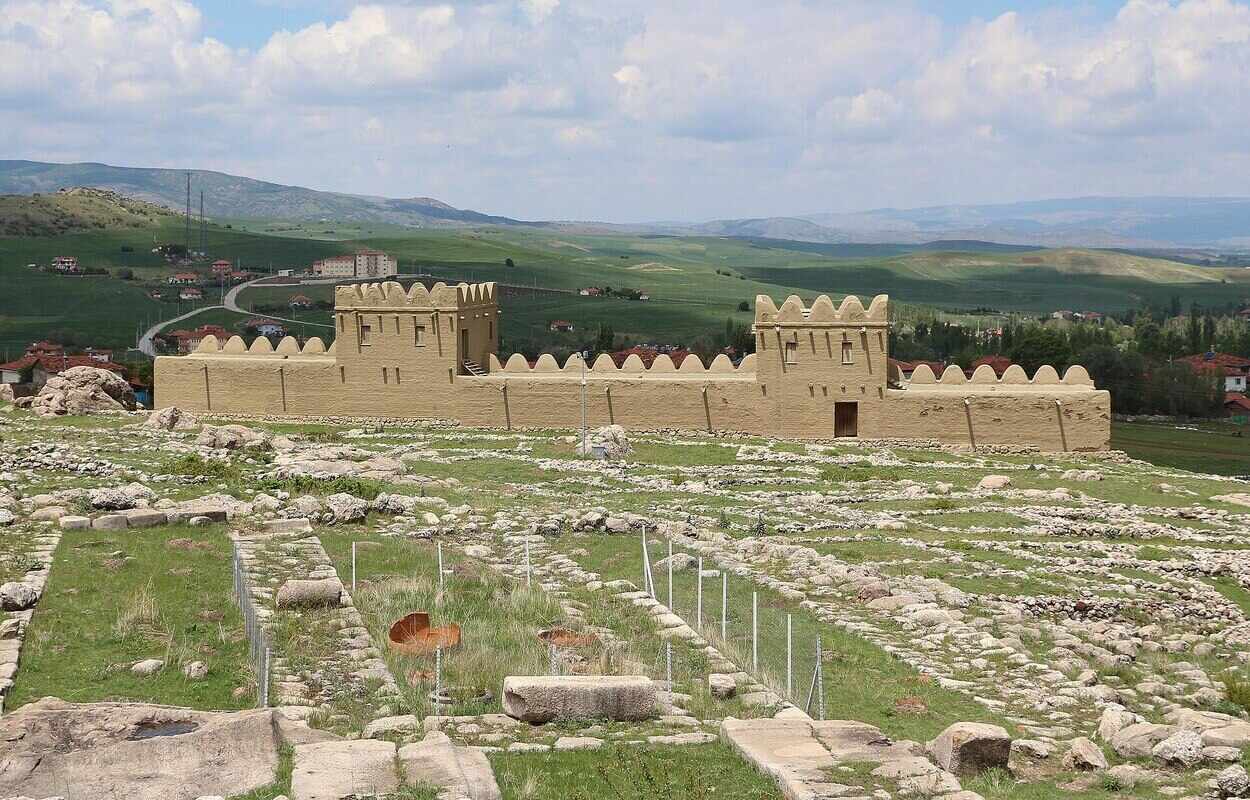
🌄 Upper City Temples
The Upper City contains numerous smaller temples spread across a wide plateau. These structures reveal that Hattusa was not only a political capital but also a major religious center with multiple sanctuaries.
- ✔️ Network of temples and shrines
- ✔️ Expansive archaeological landscape
- ✔️ Quiet walking routes
Visitors often appreciate the peaceful atmosphere here, where ancient stone foundations blend naturally with the surrounding Anatolian hills.
📸 Scenic Viewpoints and Natural Landscape
Beyond monumental ruins, the natural setting itself forms part of the Top Attractions in Hattusa. Rolling hills, open skies, and rural scenery create an environment where history and nature coexist.
- ✔️ Ideal sunrise and sunset photography
- ✔️ Wide panoramic vistas
- ✔️ Peaceful exploration experience
Unlike crowded archaeological destinations, Hattusa offers visitors space, silence, and immersion.
🚶 Visitor Experience and Exploration Tips
Because the site covers a large area, planning your route is important.
- ✔️ Allocate 3–4 hours minimum
- ✔️ Wear comfortable walking shoes
- ✔️ Bring water and sun protection
- ✔️ Use a vehicle to move between sections if possible
Exploring the Top Attractions in Hattusa becomes far more enjoyable when visitors pace themselves and allow time to absorb the historical atmosphere.
🌍 Why Hattusa Remains Extraordinary
Hattusa is more than an archaeological site; it represents one of humanity’s earliest great empires. Its gates, temples, archives, and sacred spaces illustrate political organization, religious belief, and architectural innovation from the Late Bronze Age.
The Top Attractions in Hattusa collectively tell the story of a civilization that influenced diplomacy, warfare, religion, and law across the ancient Near East. Today, travelers can experience this legacy firsthand while walking through the silent remains of a once-powerful capital.
For history lovers, cultural travelers, and archaeology enthusiasts, Hattusa offers an unforgettable journey into the origins of organized civilization.