🌤️ Best Time to Visit Hattusa
Hattusa, the ancient capital of the Hittite Empire and a UNESCO World Heritage Site, offers a unique archaeological experience surrounded by the peaceful landscapes of Central Anatolia. Choosing the Best Time to Visit Hattusa is essential for enjoying the vast ruins comfortably, understanding the historical atmosphere, and exploring the site without weather-related challenges.
Unlike coastal destinations in Türkiye, Hattusa experiences a continental climate with distinct seasonal variations. Each season provides a different perspective of the ancient city, from green spring hills to dramatic winter scenery. Understanding these seasonal differences will help travelers plan an efficient and rewarding visit.
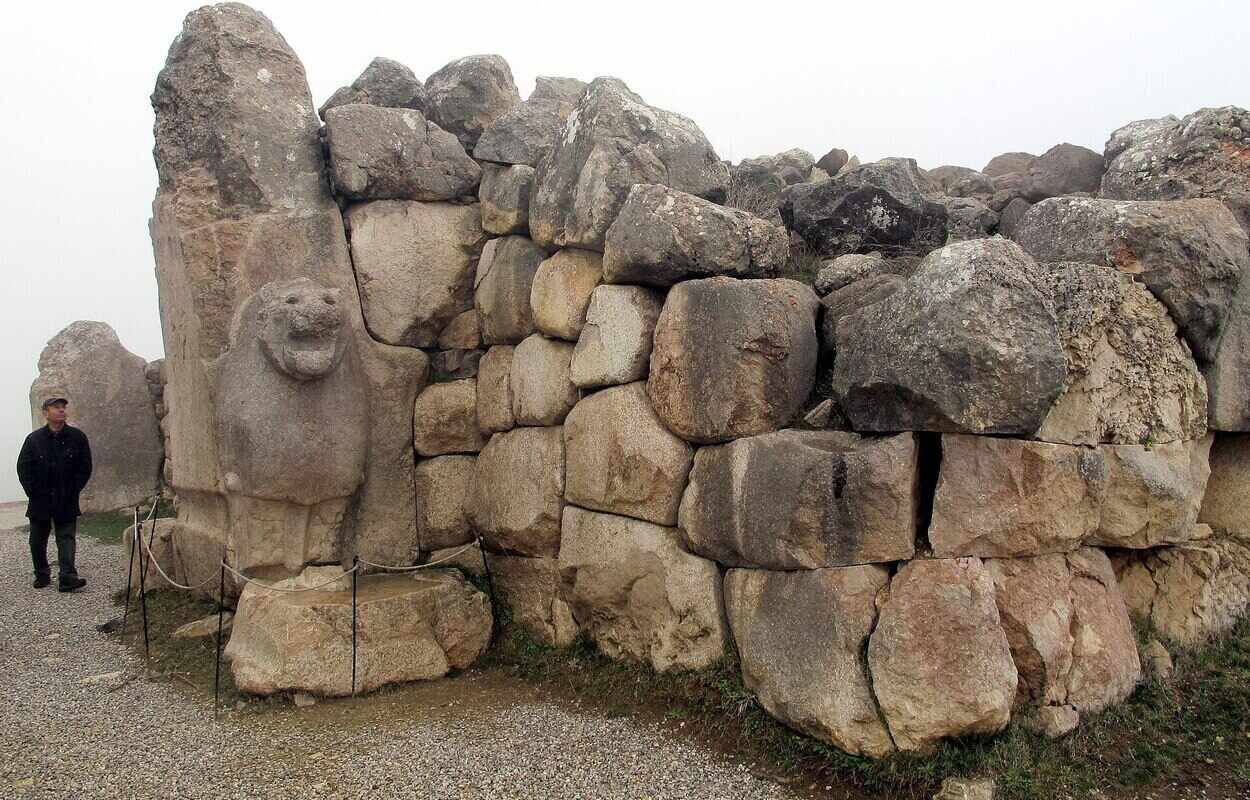
🌸 Spring (April – June): The Ideal Season
For most travelers, spring is widely considered the Best Time to Visit Hattusa. During this period, temperatures remain mild, nature comes alive, and the archaeological landscape becomes visually stunning.
- ✔️ Average temperatures between 15°C – 25°C
- ✔️ Blooming wildflowers around the ruins
- ✔️ Comfortable walking conditions
- ✔️ Excellent photography lighting
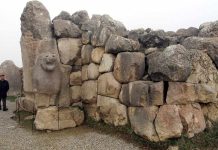
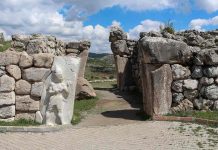
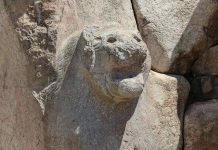
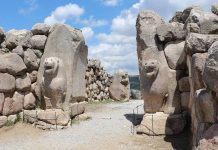
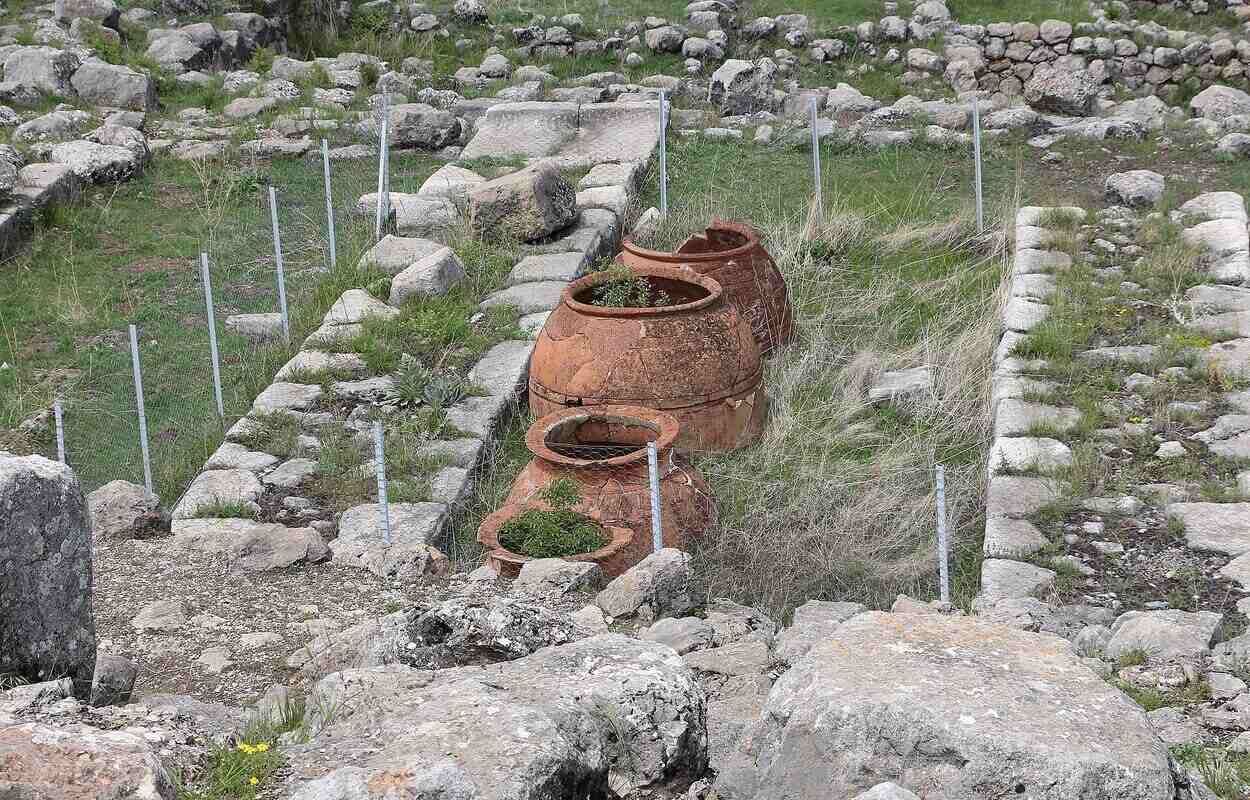
Spring allows visitors to explore extensive areas such as the Lion Gate, Great Temple, and Yazılıkaya sanctuary without intense heat. The surrounding countryside turns green, offering a rare contrast between ancient stone structures and vibrant nature.
Because Hattusa covers a large geographic area, pleasant weather significantly improves the overall experience.
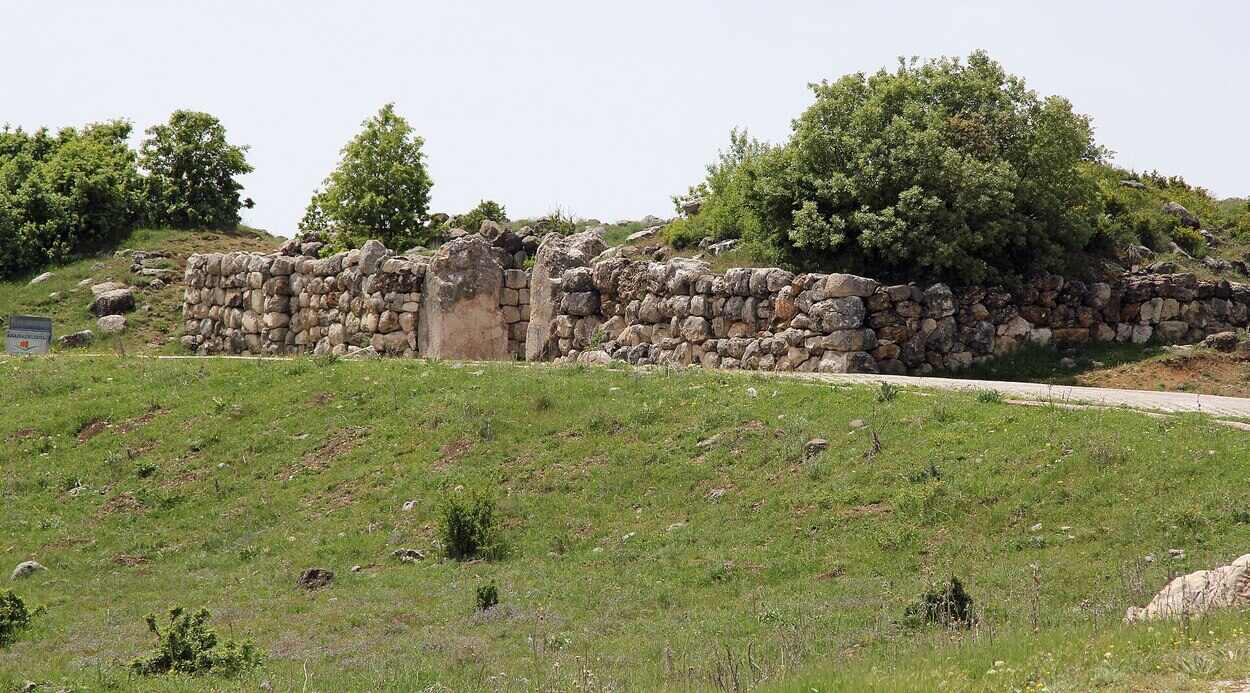
☀️ Summer (July – August): For Dedicated Explorers
Summer brings clear skies and long daylight hours, but it also introduces high temperatures. Midday heat can exceed 30°C, making long walks physically demanding.
While summer is not always considered the Best Time to Visit Hattusa, it can still be enjoyable with proper planning.
- ✔️ Visit early morning or late afternoon
- ✔️ Carry water and sun protection
- ✔️ Wear light clothing and comfortable shoes
One advantage of summer travel is predictable weather conditions. Rain is rare, and visibility across the archaeological landscape remains excellent. Visitors who prefer quieter historical immersion may still appreciate this season.
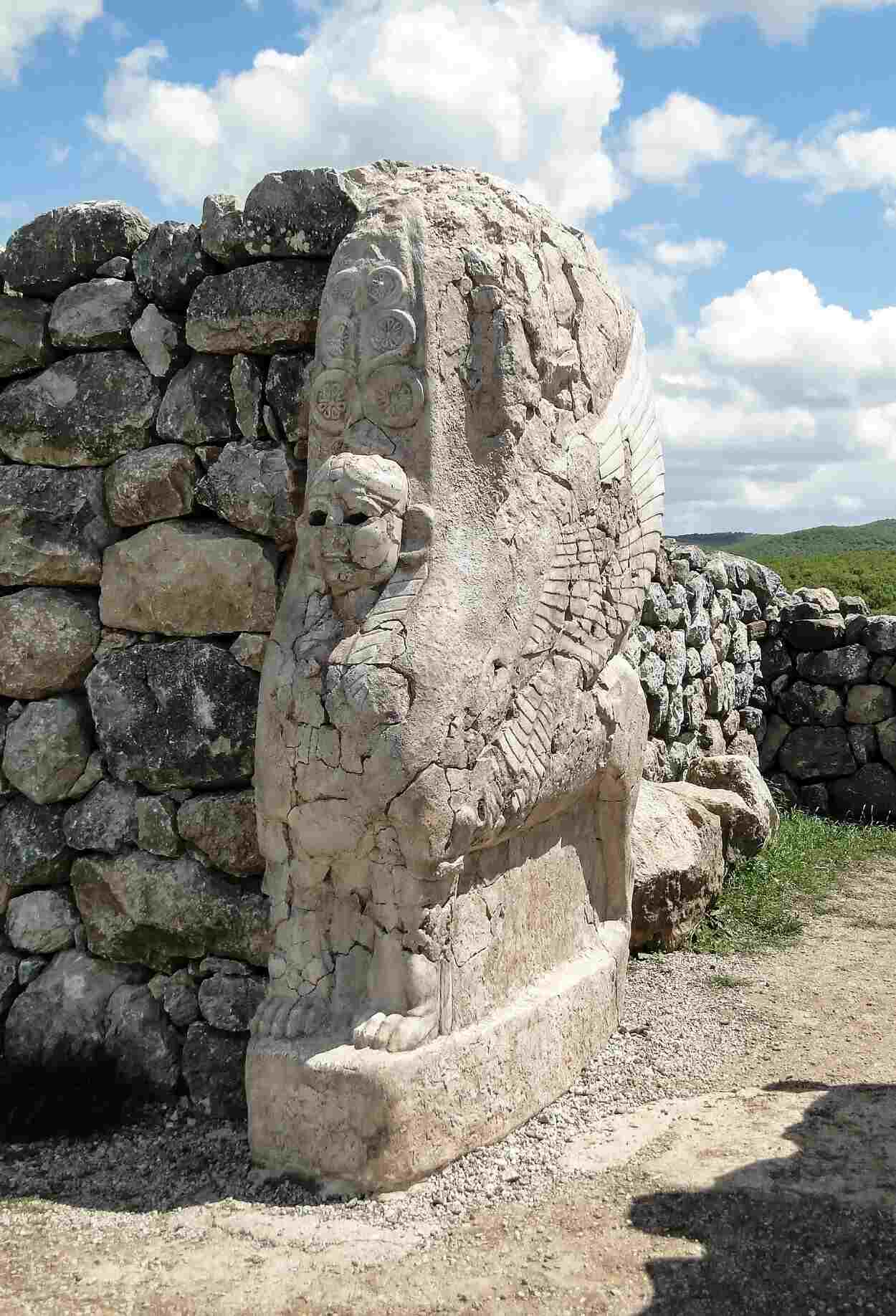
🍂 Autumn (September – October): Perfect Balance
Autumn rivals spring as the Best Time to Visit Hattusa. Temperatures become moderate again, crowds remain low, and the natural scenery shifts into warm golden tones.
- ✔️ Comfortable temperatures around 18°C – 24°C
- ✔️ Clear skies ideal for exploration
- ✔️ Less tourist traffic
- ✔️ Beautiful sunset photography
Autumn offers calm atmospheric conditions that enhance the historical mood of the site. Walking along the ancient city walls or exploring the Upper City temples becomes especially enjoyable during this period.
Many experienced travelers prefer autumn because it combines accessibility with tranquility.
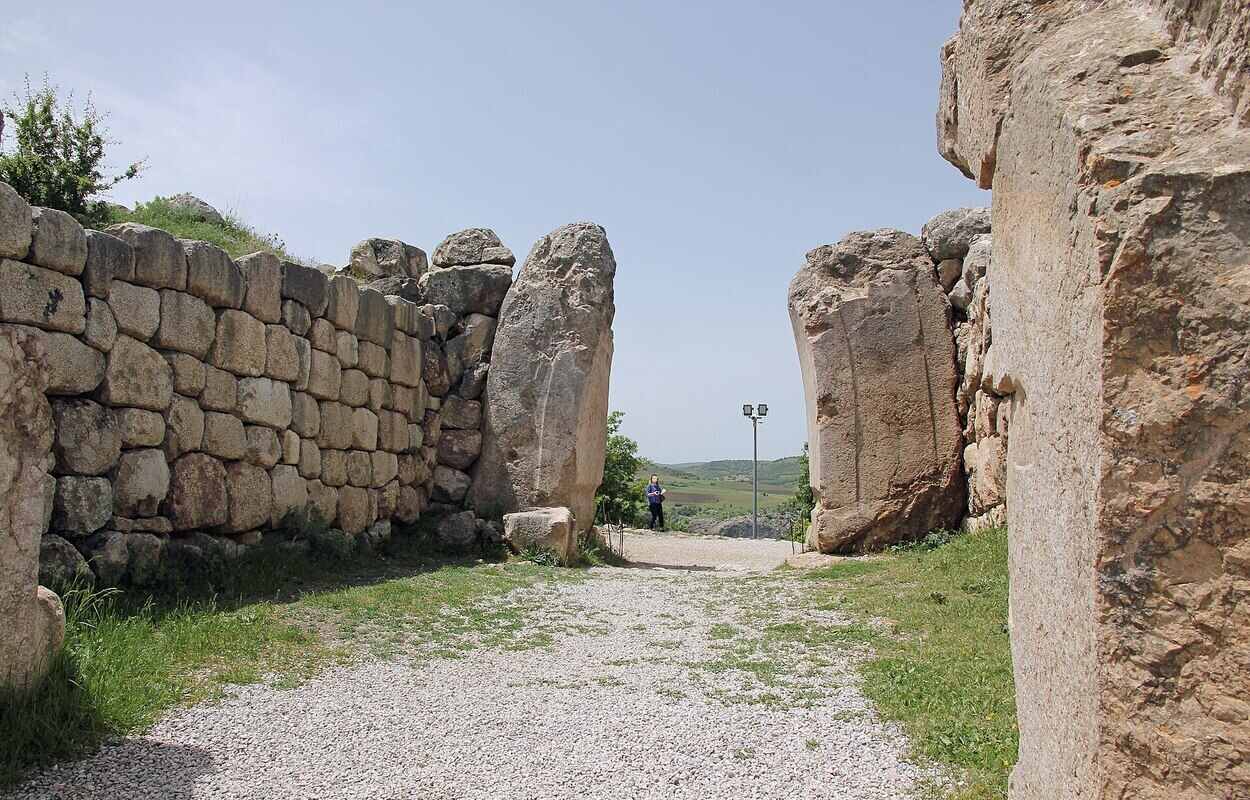
❄️ Winter (November – March): A Different Perspective
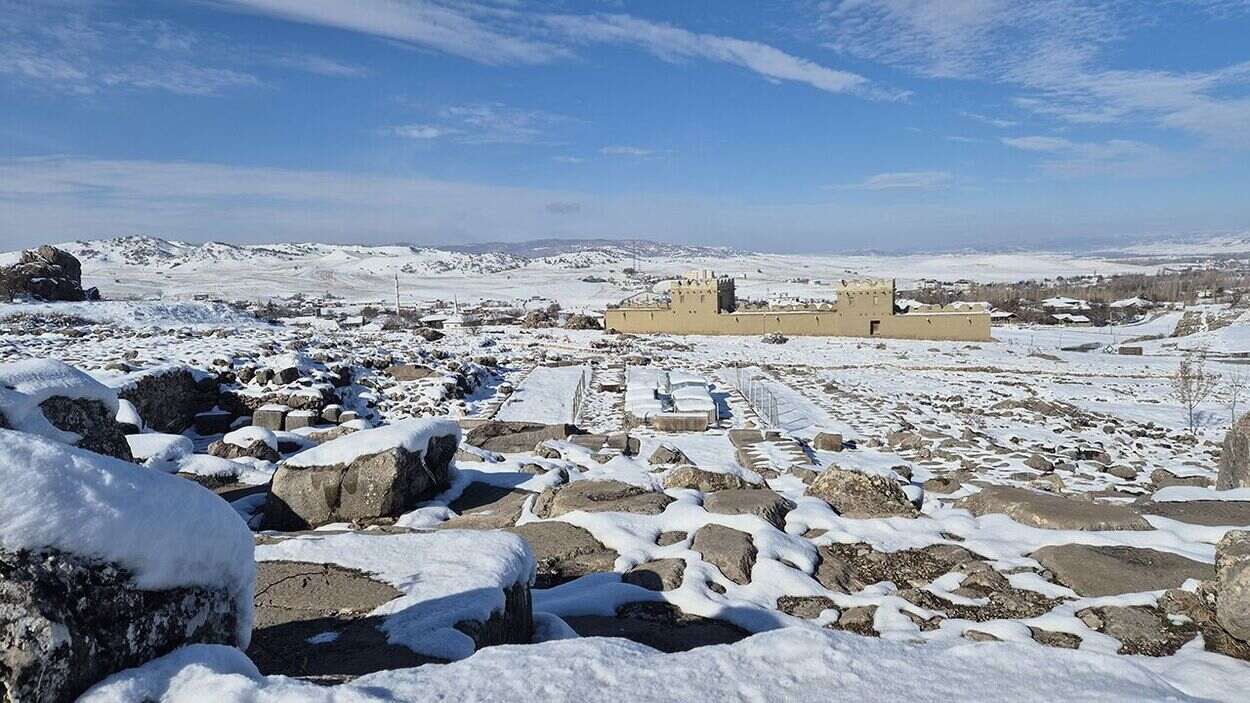
Winter transforms Hattusa into a dramatic archaeological landscape. Snow occasionally covers the ruins, creating striking visual contrasts between white terrain and dark stone architecture.
Although winter is not traditionally the Best Time to Visit Hattusa, it appeals to photographers and history enthusiasts seeking solitude.
- ✔️ Very few visitors
- ✔️ Unique snowy scenery
- ✔️ Peaceful atmosphere
However, travelers should prepare for cold temperatures that may drop below freezing. Some paths can become slippery, and shorter daylight hours limit exploration time.
🕰️ Best Time of Day to Explore
Beyond seasonal timing, choosing the right time of day significantly improves your visit.
- 🌅 Morning (08:00 – 11:00): Cool temperatures and soft lighting
- 🌇 Late Afternoon (16:00 – Sunset): Golden-hour photography
- 🚫 Midday: Often hot and less comfortable for walking
Early morning visits also provide a quieter environment, allowing visitors to fully absorb the historical atmosphere of the ancient Hittite capital.
📸 Photography Conditions Throughout the Year
Hattusa’s wide open terrain makes lighting conditions particularly important. Spring and autumn deliver the best photographic balance due to softer sunlight and clearer skies.
Key photography advantages include:
- ✔️ Long shadows highlighting relief carvings
- ✔️ Panoramic hilltop views
- ✔️ Minimal visual obstruction
- ✔️ Natural color contrast across seasons
Understanding lighting conditions helps travelers experience the Best Time to Visit Hattusa from both cultural and visual perspectives.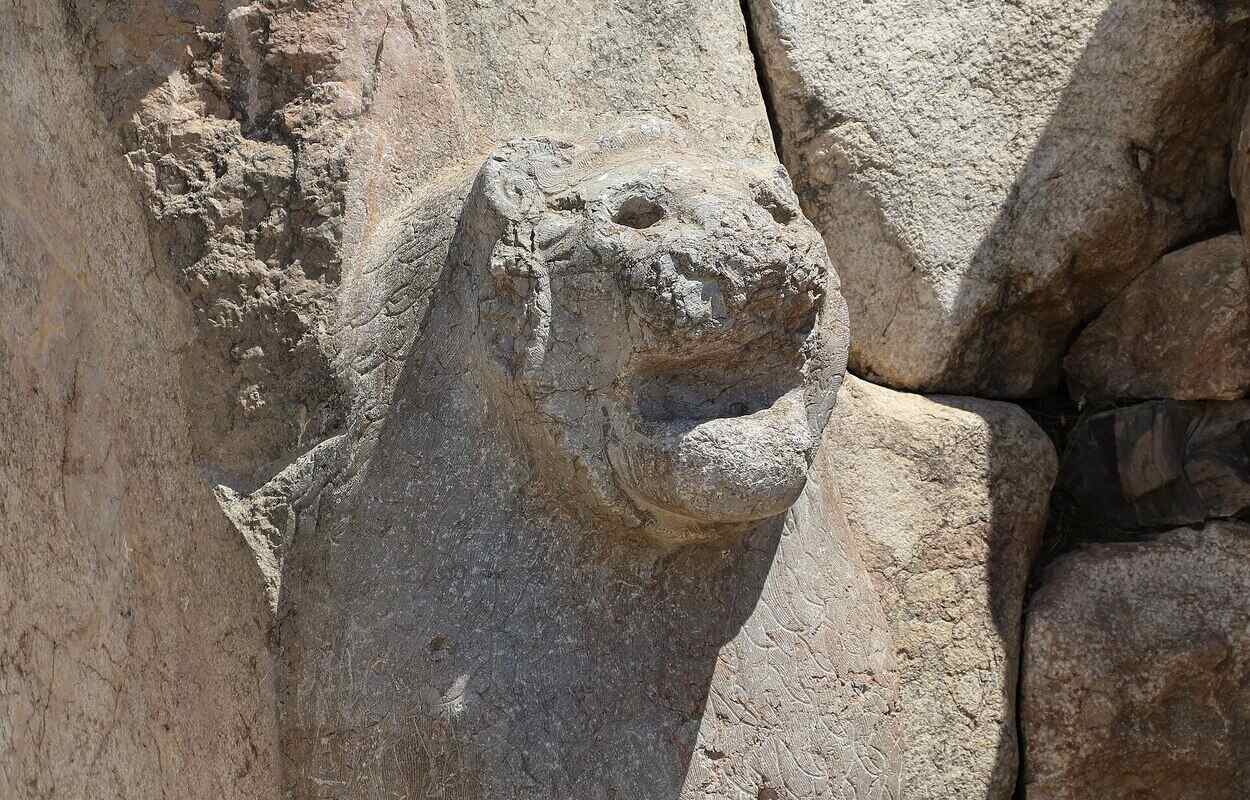
🚶 Visitor Comfort and Travel Planning
Because Hattusa is spread across hills and valleys, visitor comfort depends heavily on weather conditions. Walking distances between gates, temples, and sanctuaries can be substantial.
- ✔️ Allocate at least half a day
- ✔️ Bring water and snacks
- ✔️ Wear supportive walking shoes
- ✔️ Consider renting a car for easier movement
Proper preparation ensures visitors can explore the site efficiently regardless of season.
🌍 Why Timing Matters at Hattusa
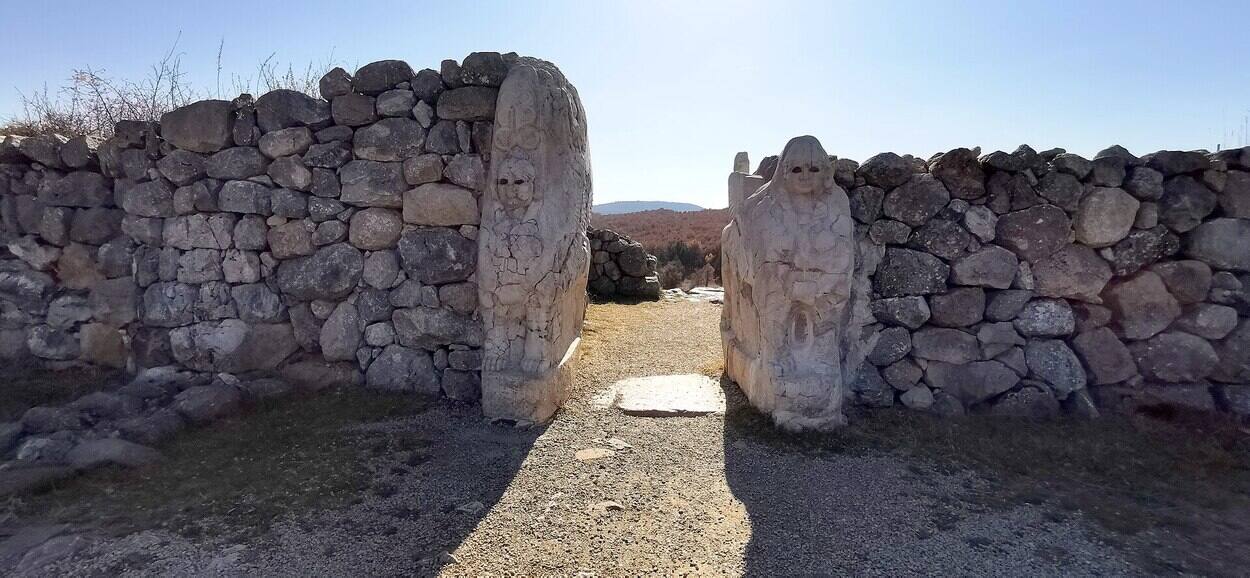
Unlike crowded archaeological attractions, Hattusa offers an immersive historical environment shaped by nature, silence, and scale. Selecting the Best Time to Visit Hattusa allows travelers to fully appreciate its monumental gates, sacred spaces, and panoramic landscapes.
Spring and autumn provide the optimal balance between climate, accessibility, and visual beauty. However, every season presents a different interpretation of the ancient Hittite capital, making Hattusa a year-round destination for culturally curious travelers.
Ultimately, the best visit occurs when comfortable weather aligns with your travel style — whether seeking vibrant landscapes, quiet exploration, or dramatic winter photography.