Pamukkale Travel Guide
Pamukkale is one of Türkiye’s most extraordinary natural and historical destinations, attracting millions of visitors each year with its brilliant white terraces and ancient ruins. Known as the “Cotton Castle,” Pamukkale combines geological wonder, thermal wellness traditions, and thousands of years of history in one remarkable location. This comprehensive Pamukkale Travel Guide covers everything you need to plan the perfect visit — from historical insights and top attractions to accommodation advice and practical travel tips.
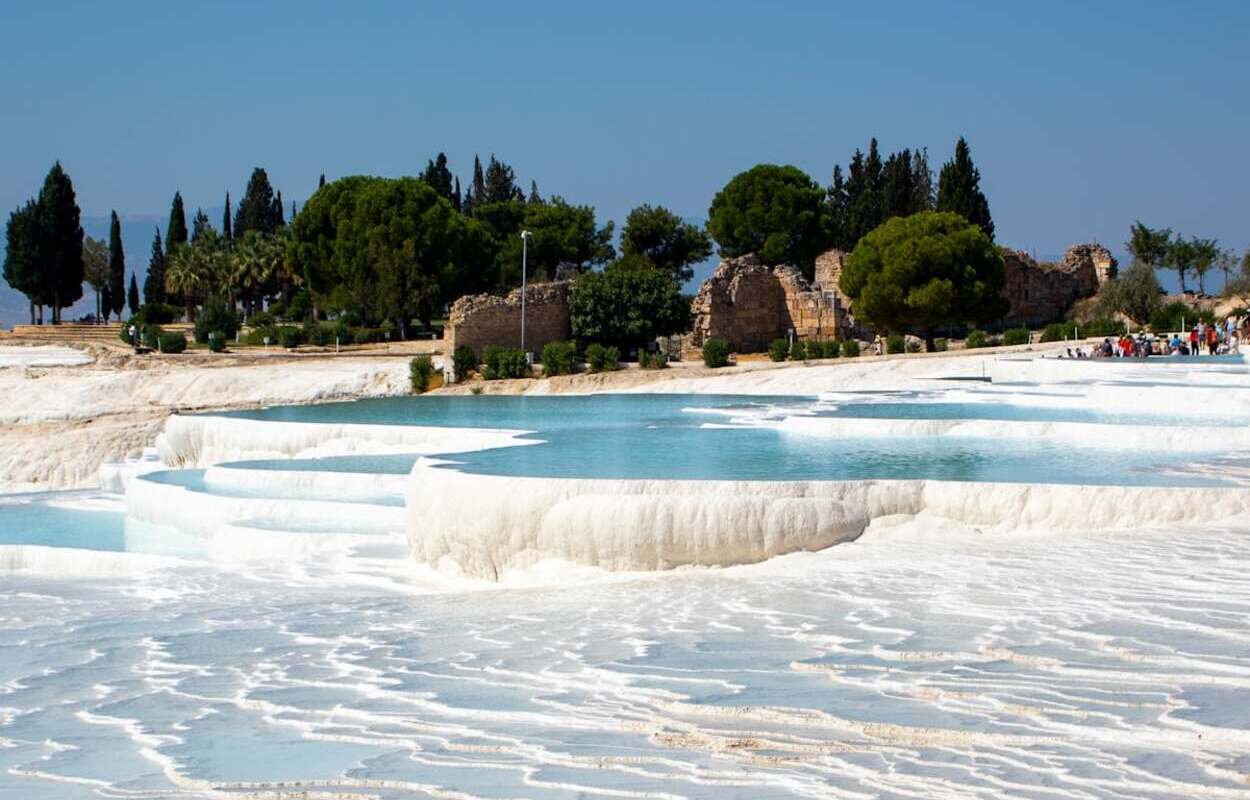
Located in Denizli Province in southwestern Türkiye, Pamukkale is a UNESCO World Heritage Site famous for mineral-rich thermal waters flowing down cascading travertine terraces. Alongside these natural formations lies the ancient Greco-Roman city of Hierapolis, making Pamukkale both a natural and archaeological treasure.
🌍 Overview of Pamukkale
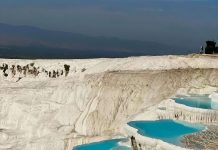
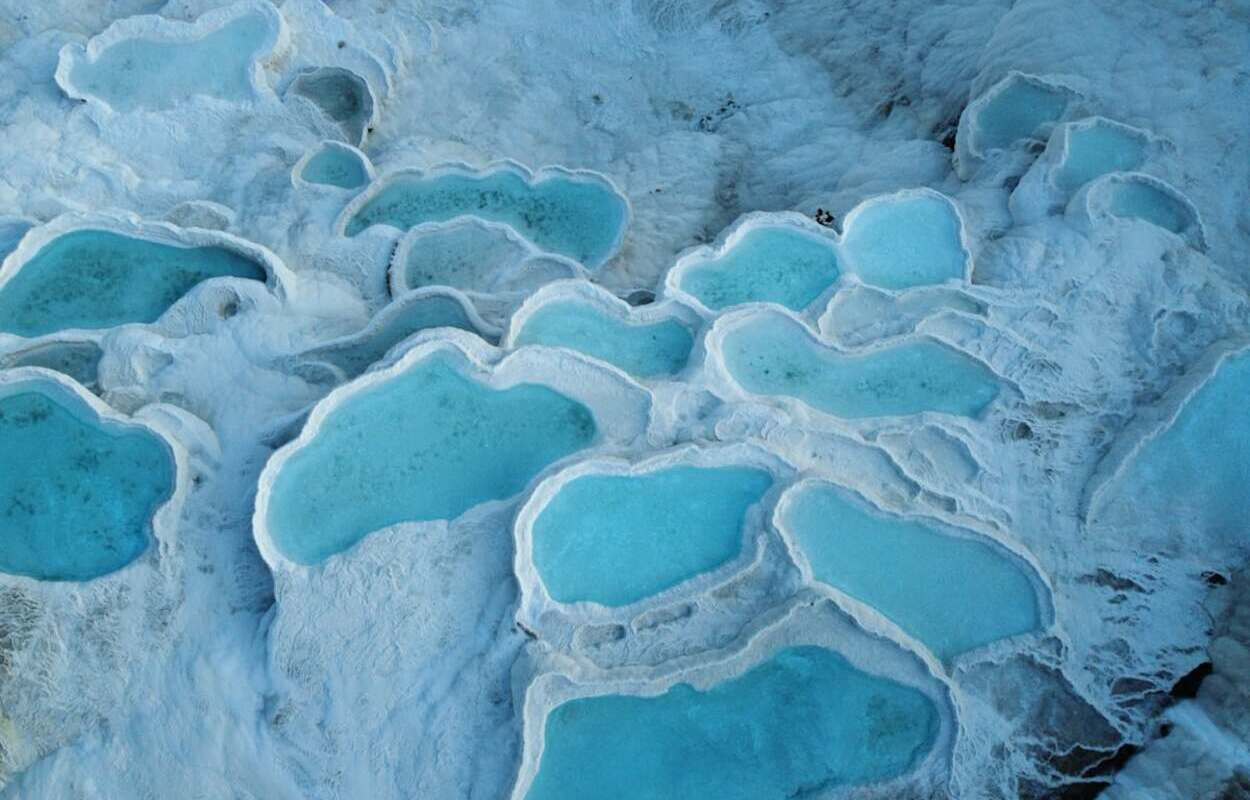
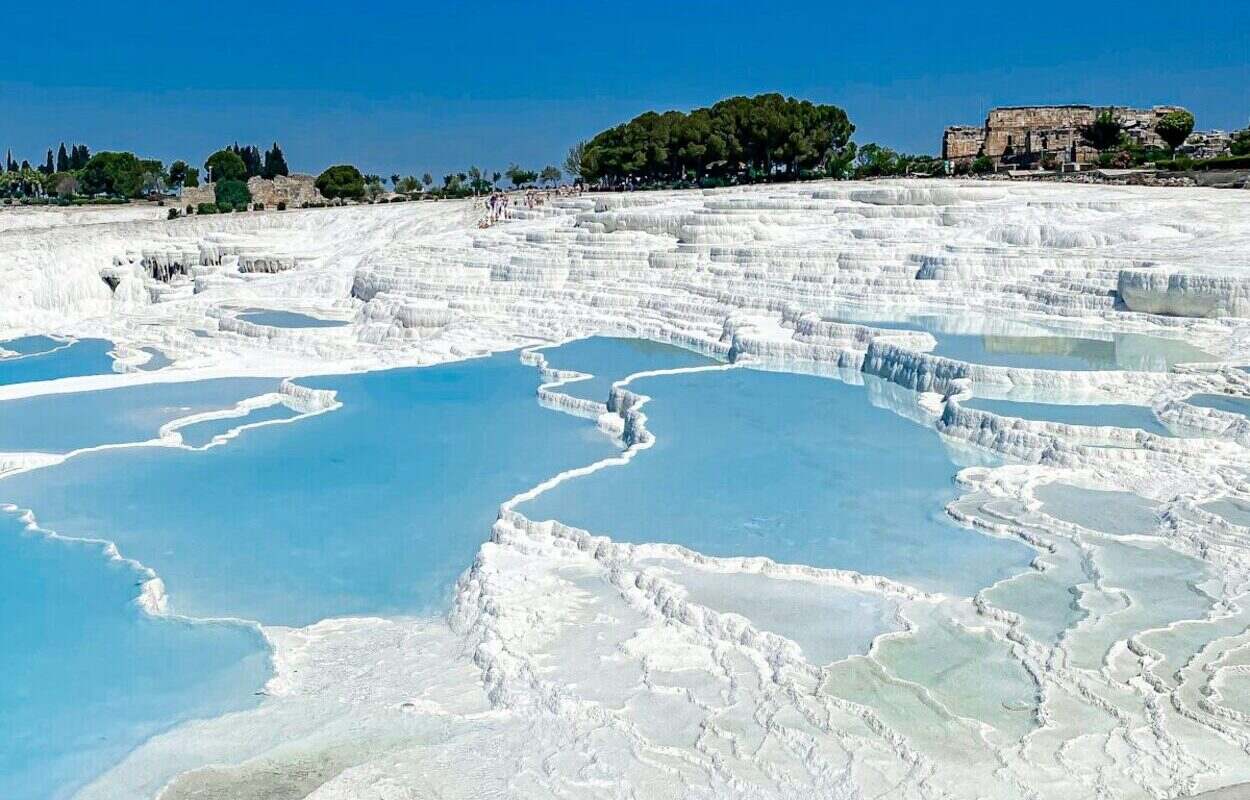
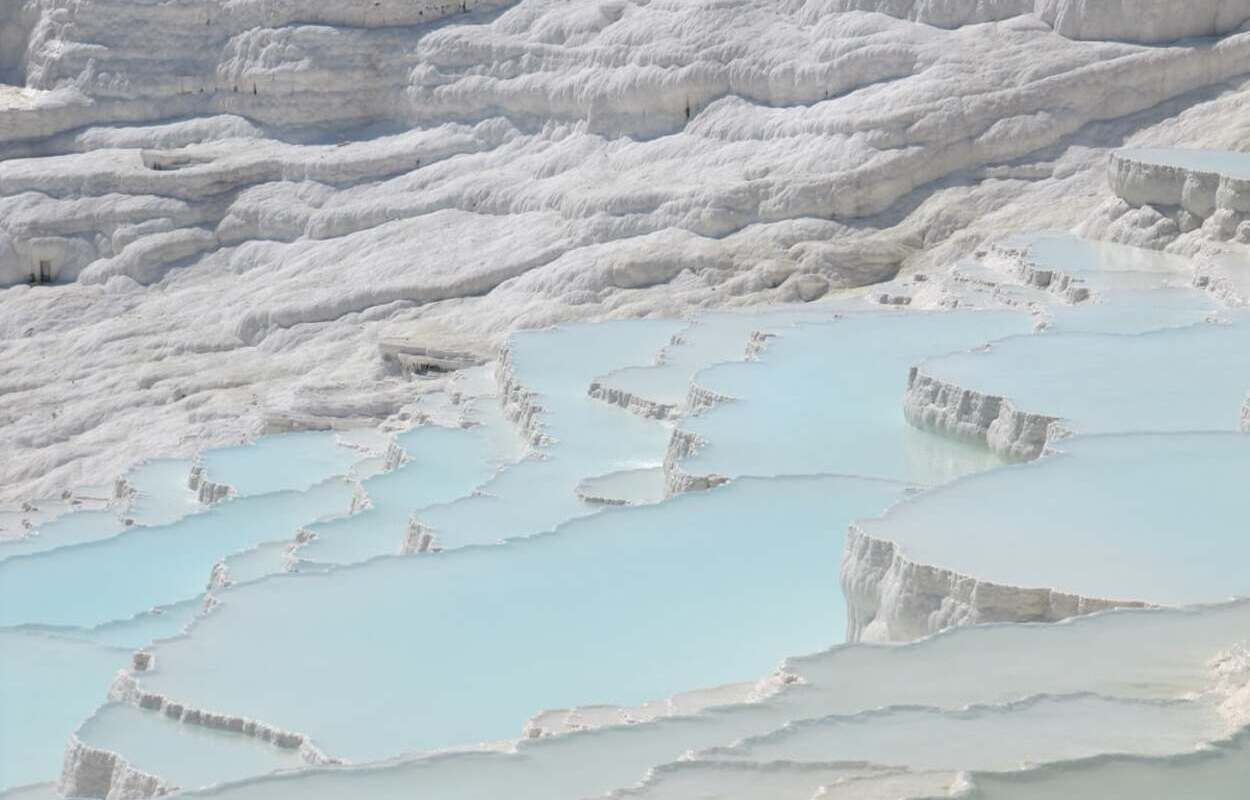
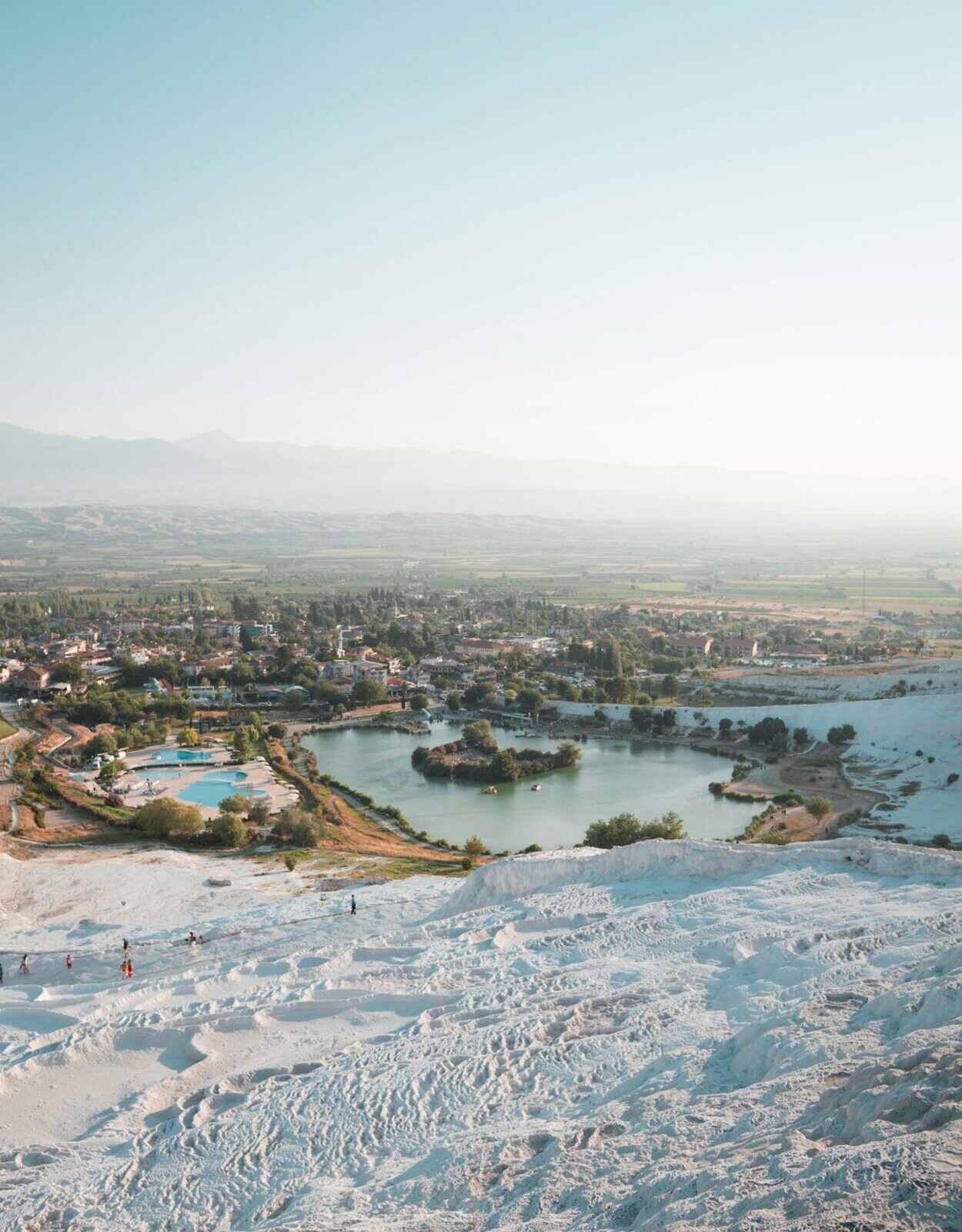
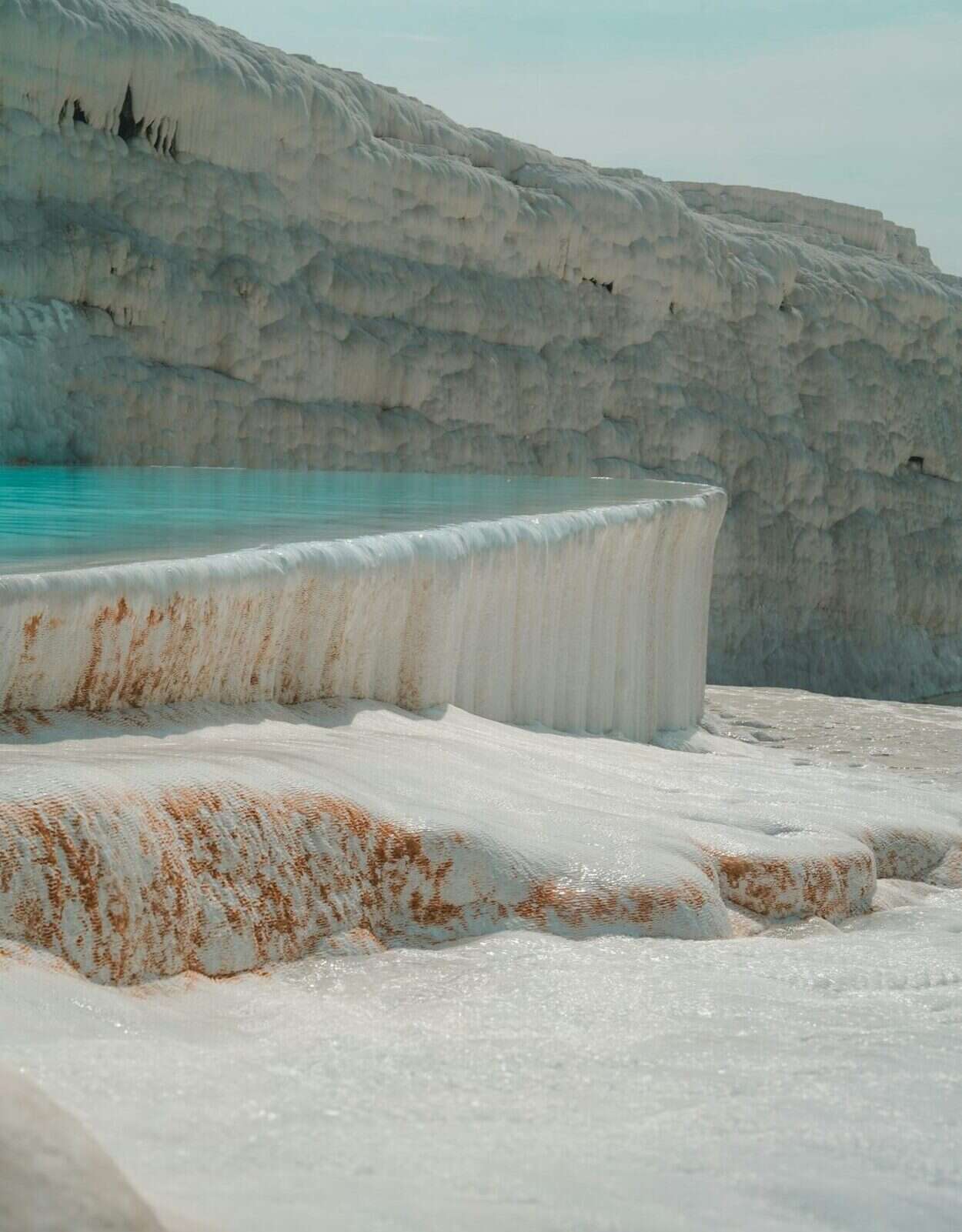
Pamukkale’s unique landscape formed over thousands of years as calcium-rich thermal waters flowed down the hillside, leaving behind dazzling white limestone deposits. The result is a surreal natural formation that looks almost like frozen waterfalls or snow-covered cliffs.
- 📍 Location: Denizli Province, Western Türkiye
- 🏛️ UNESCO World Heritage Site
- ♨️ Famous thermal springs
- 📸 One of Türkiye’s most photographed landmarks
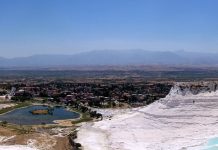
Visitors walk barefoot across shallow thermal pools while enjoying panoramic views of the surrounding valley. The site combines relaxation, natural beauty, and historical exploration — making this Pamukkale Travel Guide essential for first-time travelers.
🏛️ History of Pamukkale and Hierapolis
The history of Pamukkale is deeply connected with the ancient city of Hierapolis, founded in the 2nd century BCE by the Kingdom of Pergamon. The city later became an important Roman spa center due to its healing thermal waters.
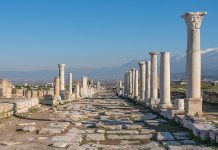
During Roman times, Hierapolis flourished as a health and religious destination. Wealthy visitors traveled long distances seeking cures for various illnesses. The city featured grand streets, temples, bath complexes, and one of the largest ancient cemeteries in Anatolia.
- 🏺 Hellenistic foundation period
- 🏛️ Roman spa and healing center
- ✝️ Early Christian pilgrimage site
- 🌍 UNESCO recognition in 1988
According to tradition, Apostle Philip was martyred here, making Hierapolis significant for early Christianity as well. Today, walking among the ruins reveals layers of civilizations preserved through centuries.
🎯 Things to Do in Pamukkale
♨️ Walk on the Travertine Terraces
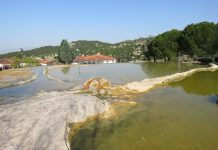
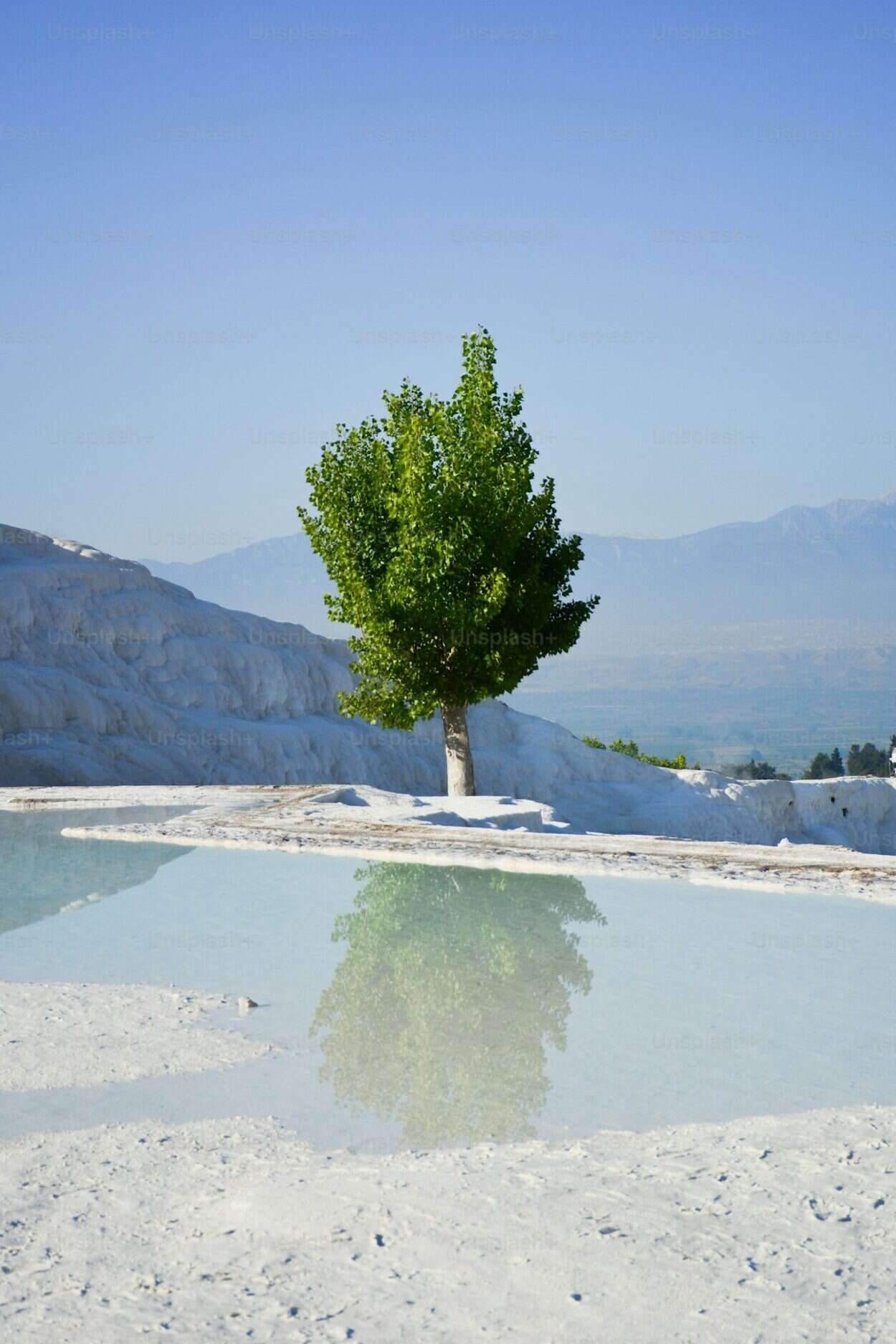
The iconic white terraces are the highlight of every visit. Visitors must remove shoes to protect the delicate formations while walking through warm mineral water pools.
🏛️ Explore Hierapolis Ancient City
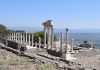
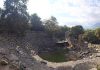
- Grand Theater
- Temple of Apollo
- Ancient Baths
- Colonnaded streets
The well-preserved Roman Theater offers breathtaking views and remains one of the best archaeological structures in Türkiye.
🏊 Swim in Cleopatra’s Antique Pool
This thermal pool contains submerged Roman columns and warm mineral water believed to have therapeutic benefits.
🌅 Watch Sunset Over the Terraces
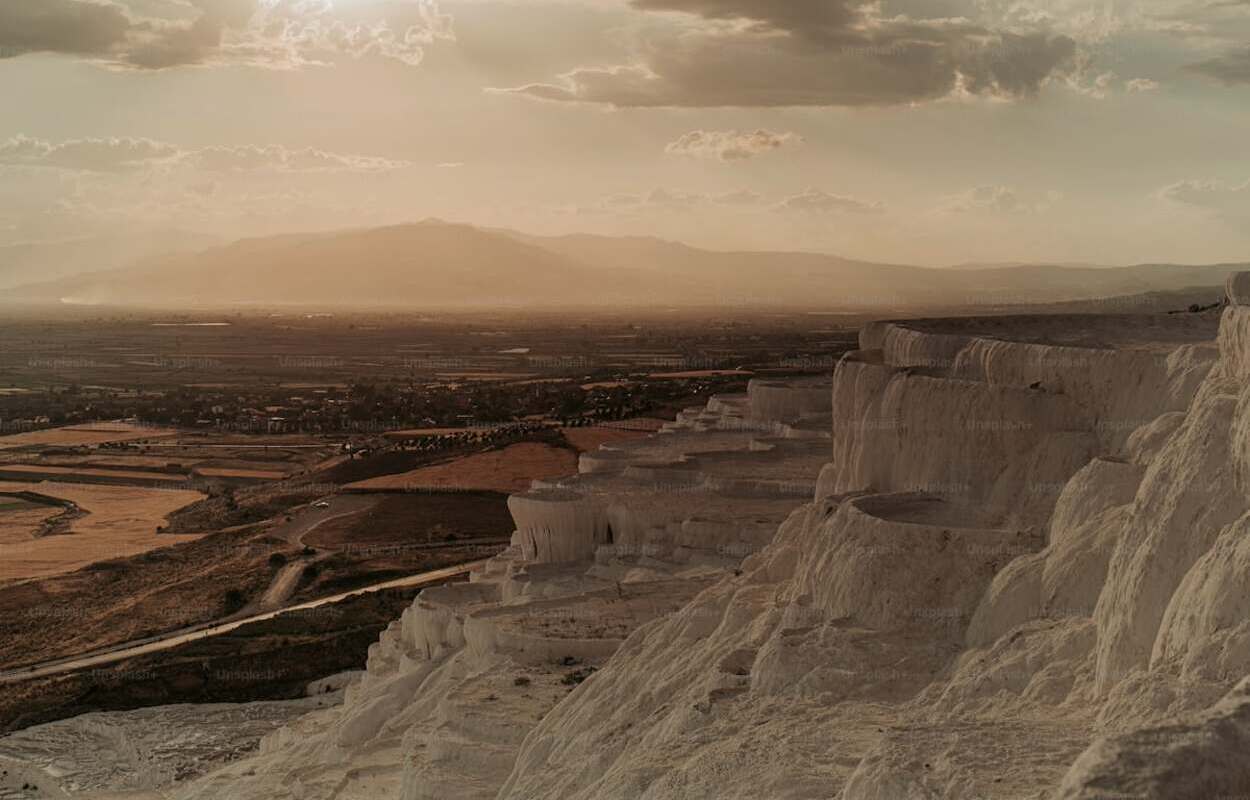
Sunset transforms Pamukkale into golden and pink tones, creating unforgettable photography opportunities.
🚶 Visit the Necropolis
One of the largest ancient cemeteries in Anatolia, featuring sarcophagi and tomb monuments reflecting different historical eras.
Experiencing these highlights fully defines the purpose of a complete Pamukkale Travel Guide.
📅 Best Time to Visit Pamukkale
Pamukkale can be visited year-round, but seasonal differences greatly influence comfort and crowd levels.
- 🌸 Spring (April–June): Ideal weather and fewer crowds
- ☀️ Summer (July–August): Hot but lively atmosphere
- 🍂 Autumn (September–October): Comfortable temperatures
- ❄️ Winter (November–March): Peaceful visits and unique scenery
Early morning and late afternoon visits offer cooler temperatures and better lighting conditions. Many travelers consider spring and autumn the best seasons according to this Pamukkale Travel Guide.
✈️ How to Get to Pamukkale
🛫 By Air
- Denizli Çardak Airport (approx. 65 km)
- Flights from Istanbul daily
🚗 By Car
- Izmir → Pamukkale: ~3 hours
- Antalya → Pamukkale: ~3.5 hours
- Istanbul → Pamukkale: ~7 hours
🚌 By Bus
Comfortable intercity buses operate from major Turkish cities directly to Denizli.
After arriving in Denizli, minibuses and taxis provide quick access to Pamukkale village.
🏨 Where to Stay in Pamukkale
Accommodation options range from boutique hotels to thermal spa resorts.
🏡 Pamukkale Village Hotels
- Walking distance to terraces
- Family-run guesthouses
- Affordable prices
💎 Thermal Spa Resorts
- Natural hot spring pools
- Wellness and relaxation facilities
- Luxury comfort
🏙️ Denizli City Hotels
- Business-style accommodation
- More dining and shopping options
Choosing accommodation depends on whether visitors prioritize proximity, luxury wellness, or urban comfort — an important factor highlighted in every reliable Pamukkale Travel Guide.
🗺️ Pamukkale Map & Orientation
Pamukkale consists of three main areas:
- 📍 Travertine Terraces
- 🏛️ Hierapolis Archaeological Site
- 🏡 Pamukkale Village Entrance
Entrances exist at both the north and south gates. The south gate is recommended for visitors arriving by car, while the village entrance allows direct access to the terraces.
🍽️ Food & Local Experiences
- 🥘 Traditional Turkish breakfast
- 🍢 Denizli kebab specialties
- ☕ Turkish coffee with terrace views
- 🍷 Regional wines
Local restaurants offer relaxed dining after a full day of exploration.

📸 Photography Tips
- 🌅 Visit early morning for soft lighting
- 👣 Capture reflections in shallow pools
- 🎭 Photograph Hierapolis Theater from above
- 🌄 Stay until sunset for golden colors
🧳 Practical Travel Tips
- 👣 Walking barefoot is mandatory on terraces
- 🧴 Bring sunscreen and water
- 🎟️ Purchase combined Hierapolis ticket
- ⏰ Allocate at least half a day
- 📅 Stay overnight for fewer crowds
❓ FAQ – Pamukkale Travel Guide
Is Pamukkale worth visiting?
Yes. It is one of Türkiye’s most unique natural wonders combined with significant ancient ruins.
Can you swim in Pamukkale?
Yes, visitors can walk in thermal pools and swim in Cleopatra’s Antique Pool.
How long should I stay?
One full day is sufficient, but overnight stays provide a more relaxed experience.
Is Pamukkale suitable for families?
Absolutely. The site is safe and enjoyable for all ages.
Do you need a guide?
A guide enhances historical understanding but is not mandatory.
Pamukkale perfectly blends natural beauty, ancient history, and relaxing wellness traditions. Whether you visit for photography, archaeology, or relaxation, this complete Pamukkale Travel Guide provides everything needed to plan a smooth and unforgettable journey. From dazzling white terraces to Roman ruins and thermal waters, Pamukkale remains one of Türkiye’s most extraordinary destinations.