💱 Currency Exchange in Turkey
Currency Exchange in Turkey is one of the most important practical topics travelers should understand before arriving. Knowing where to exchange money, how payments work, and how to avoid unnecessary fees can significantly improve your travel experience. Turkey offers modern banking infrastructure, widespread card acceptance, and competitive exchange services — but making the right financial decisions can save you serious money.
This complete guide explains everything you need to know about Currency Exchange in Turkey, from airports to local exchange offices, ATM withdrawals, digital payments, and smart budgeting strategies.
🏦 Official Currency Used in Turkey
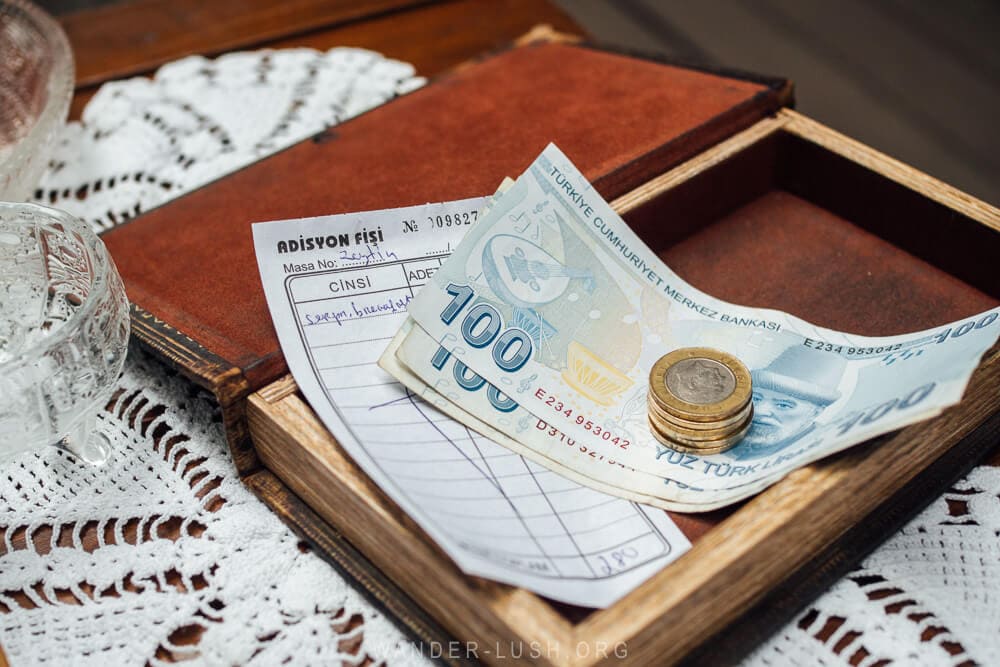
The official currency is the Turkish Lira (TRY). Prices across the country — including hotels, restaurants, transportation, and attractions — are generally listed in Turkish Lira.
- 💵 Currency Code: TRY
- 🪙 Banknotes: 5, 10, 20, 50, 100, 200 TL
- 💳 Cards widely accepted in cities and tourist areas
- 📱 Contactless payment common in urban locations
While some tourist businesses accept Euros or US Dollars, paying in local currency almost always provides better value.
✈️ Currency Exchange at Airports
Airport exchange offices are convenient but rarely economical. Many travelers make their first exchange here, yet airport rates typically include higher commissions.
Best Strategy:
- ✅ Exchange only a small amount at the airport
- 🚕 Cover taxi or transport costs
- 🏧 Use an ATM instead when possible
Once you reach city centers, you will find significantly better exchange rates.
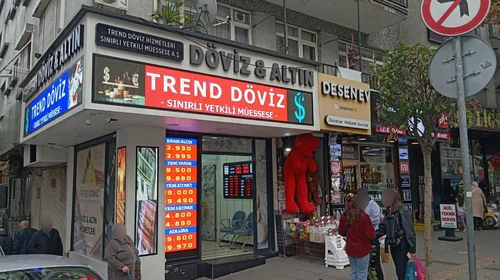
🏪 Exchange Offices (Döviz Bürosu)
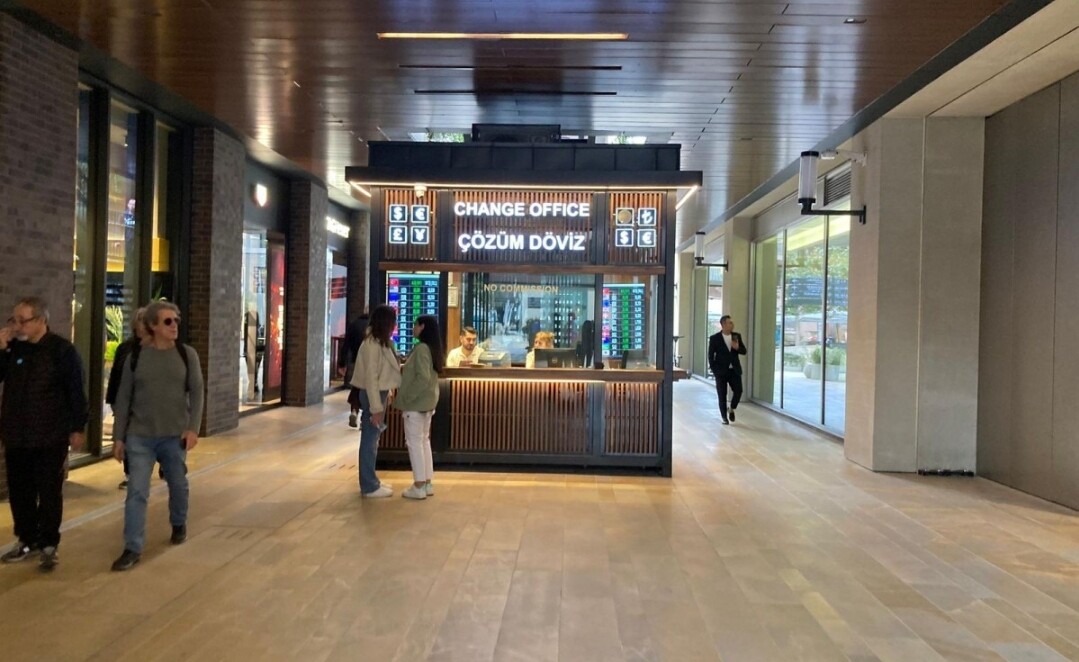
The most recommended method for Currency Exchange in Turkey is using licensed exchange offices known locally as Döviz Bürosu.
- 💱 Competitive real-time exchange rates
- 📍 Located in tourist districts and shopping areas
- 🧾 Transparent pricing displayed outside
- 🚫 Usually no commission fees
Popular locations with excellent exchange competition include Istanbul’s Grand Bazaar area, Antalya center, Cappadocia towns, and coastal resort zones.
Pro Tip: Compare rates between two or three offices before exchanging large amounts.
🏧 Using ATMs in Turkey
ATMs are often the easiest and safest way to access local currency. International debit and credit cards work in most machines across Turkey.
- 🏦 Major banks: Ziraat Bankası, İş Bankası, Garanti BBVA, Akbank
- 🌐 English-language interfaces available
- 💳 Visa & Mastercard widely supported
- 🕐 24/7 availability
When withdrawing money:
- ✔ Always choose withdraw in Turkish Lira
- ❌ Avoid “dynamic currency conversion” options
- 💰 Withdraw larger amounts less frequently to reduce fees
Bank ATMs attached to branches are safer than standalone machines in nightlife areas.
💳 Paying by Card in Turkey
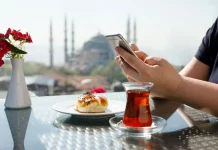
Modern payment infrastructure makes card usage extremely easy. In major cities and tourist destinations, you can travel almost cashless.
- 🍽 Restaurants accept cards
- 🏨 Hotels prefer card payments
- 🛍 Shopping malls fully digital-friendly
- 🚇 Public transport cards available
However, small villages, local markets, taxis, and street vendors still prefer cash. Keeping some Turkish Lira remains essential.
📱 Digital Payments & Mobile Banking
Turkey has rapidly adopted digital payment technology. Many businesses now support contactless and mobile wallet payments.
- 📲 Apple Pay & Google Pay acceptance increasing
- ⌚ Contactless tap payments common
- 🧾 QR payment systems used in cafes
This modernization makes Currency Exchange in Turkey easier than ever compared to many European destinations.
⚠️ Avoiding Common Currency Exchange Mistakes
- 🚫 Do not exchange large sums at airports
- 🚫 Avoid hotel reception exchanges
- 🚫 Never exchange money with street individuals
- ⚠ Always count cash before leaving counter
- 📊 Monitor current exchange rates online
Small percentage differences can add up significantly during a multi-city trip.
💰 Should You Bring Cash or Card?
The smartest financial strategy combines both payment methods.
- 💳 Card → hotels, restaurants, large purchases
- 💵 Cash → transport, markets, tips, small shops
- 🏧 ATM withdrawal → best balance of convenience and rates
Most experienced travelers rely primarily on cards while withdrawing local cash periodically.
📊 Tipping Culture and Small Payments
Understanding tipping helps manage daily expenses:
- 🍽 Restaurants: 5–10%
- 🧳 Hotel staff: small cash tips appreciated
- 🚕 Taxi drivers: rounding up common
- ☕ Cafes: optional but welcomed
Having smaller denominations simplifies tipping and everyday purchases.
🌍 Is Currency Exchange in Turkey Safe?
Yes. Turkey’s financial system is modern, regulated, and tourist-friendly. Licensed exchange offices and bank ATMs operate under strict oversight. Problems usually arise only when travelers use unofficial exchange methods.
Following basic precautions ensures smooth financial transactions throughout your stay.
✅ Final Thoughts on Currency Exchange in Turkey
Understanding Currency Exchange in Turkey allows travelers to control spending, avoid unnecessary fees, and travel confidently. Turkey combines traditional cash culture with advanced digital payments, offering flexibility for every travel style.
Plan ahead, compare rates, use bank ATMs, and keep a balance between card and cash usage. With these simple strategies, managing money in Turkey becomes effortless — leaving you free to focus on experiences, culture, and unforgettable destinations.