Top Attractions in Göbeklitepe
Göbeklitepe is widely considered one of the most important archaeological discoveries in human history. Located near Şanlıurfa in southeastern Türkiye, this UNESCO World Heritage Site dates back more than 11,000 years, rewriting what we know about early civilization. Exploring the Top Attractions in Göbeklitepe allows visitors to witness humanity’s earliest known temple complex and understand the origins of organized belief systems.
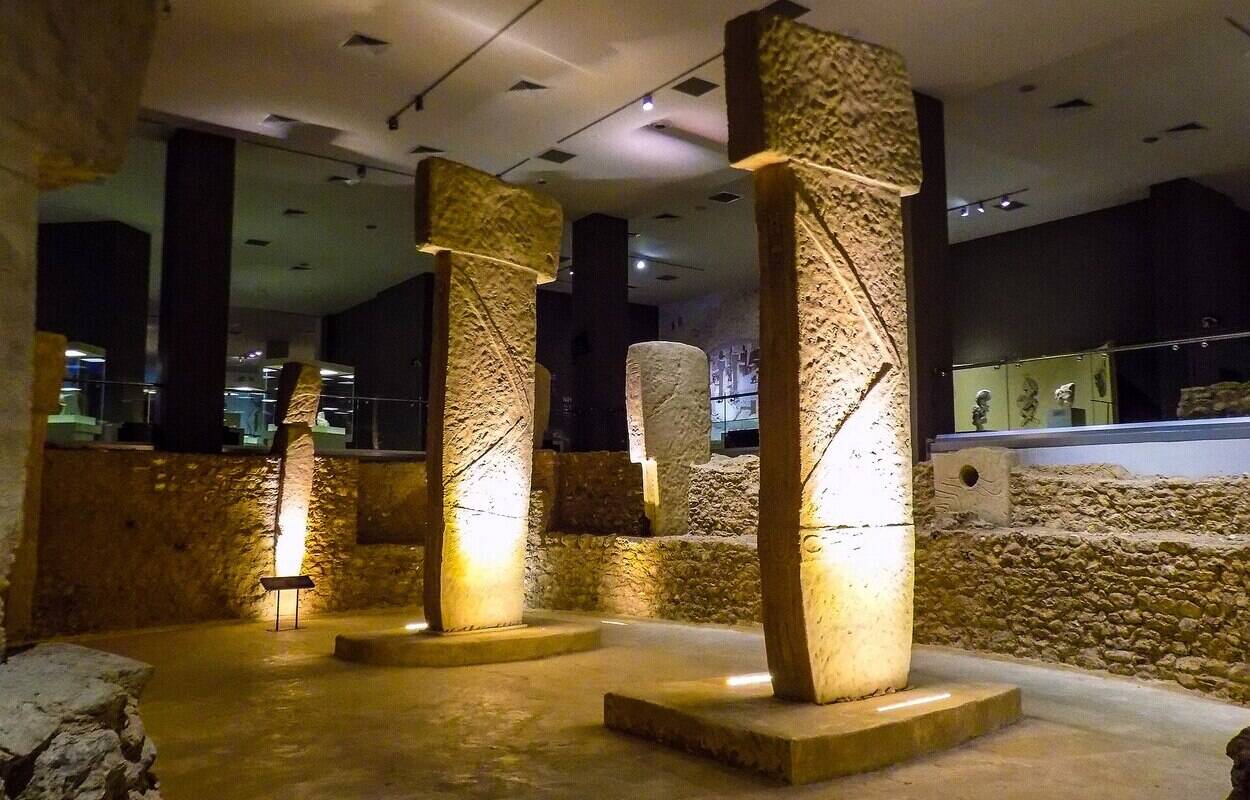
🗿 Monumental T-Shaped Pillars
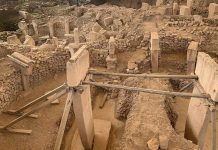
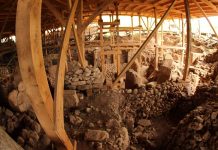
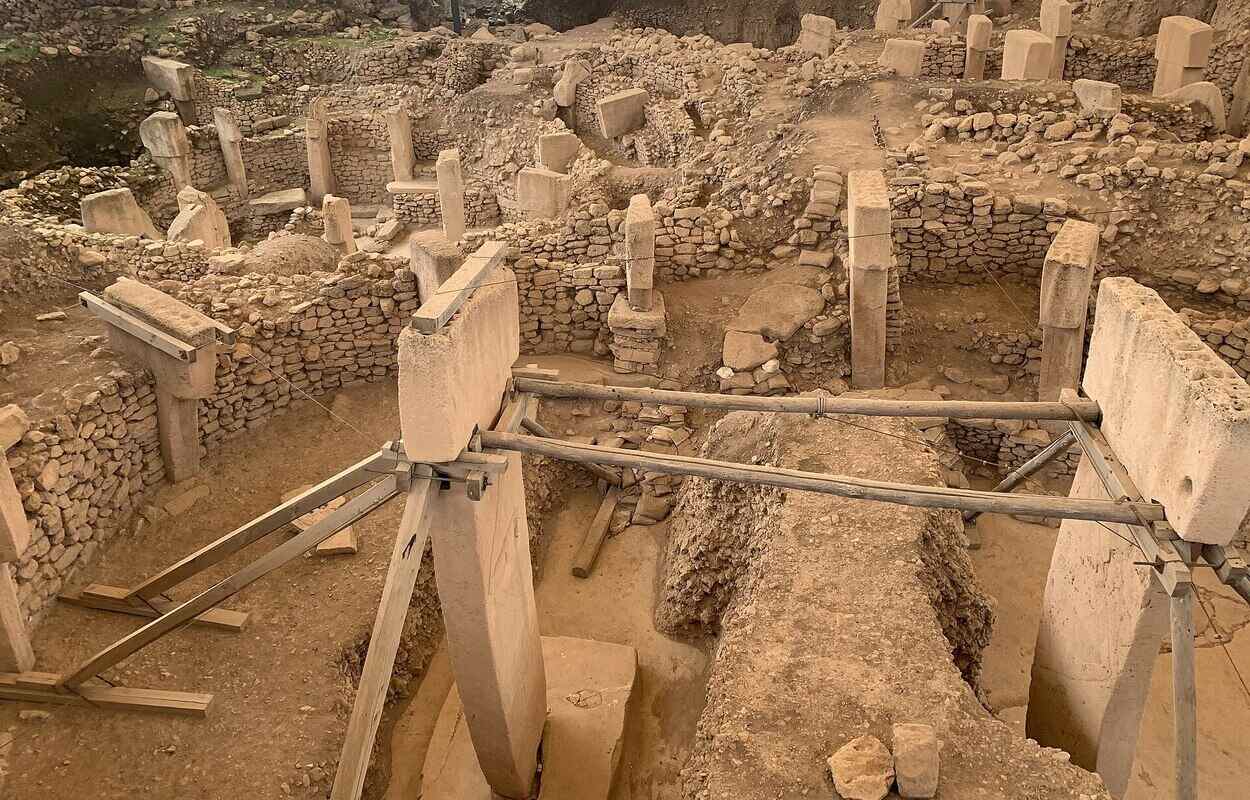
The most iconic highlight among the Top Attractions in Göbeklitepe is the massive T-shaped limestone pillars. Some reach over five meters in height and weigh several tons. These pillars were carved by prehistoric communities long before metal tools or pottery existed.
Many pillars feature intricate carvings of animals such as foxes, snakes, birds, wild boars, and scorpions. Archaeologists believe these symbols carried spiritual or mythological meanings, offering insight into early human belief systems.
- ✔ Over 11,000 years old
- ✔ Detailed animal relief carvings
- ✔ Evidence of early ritual practices
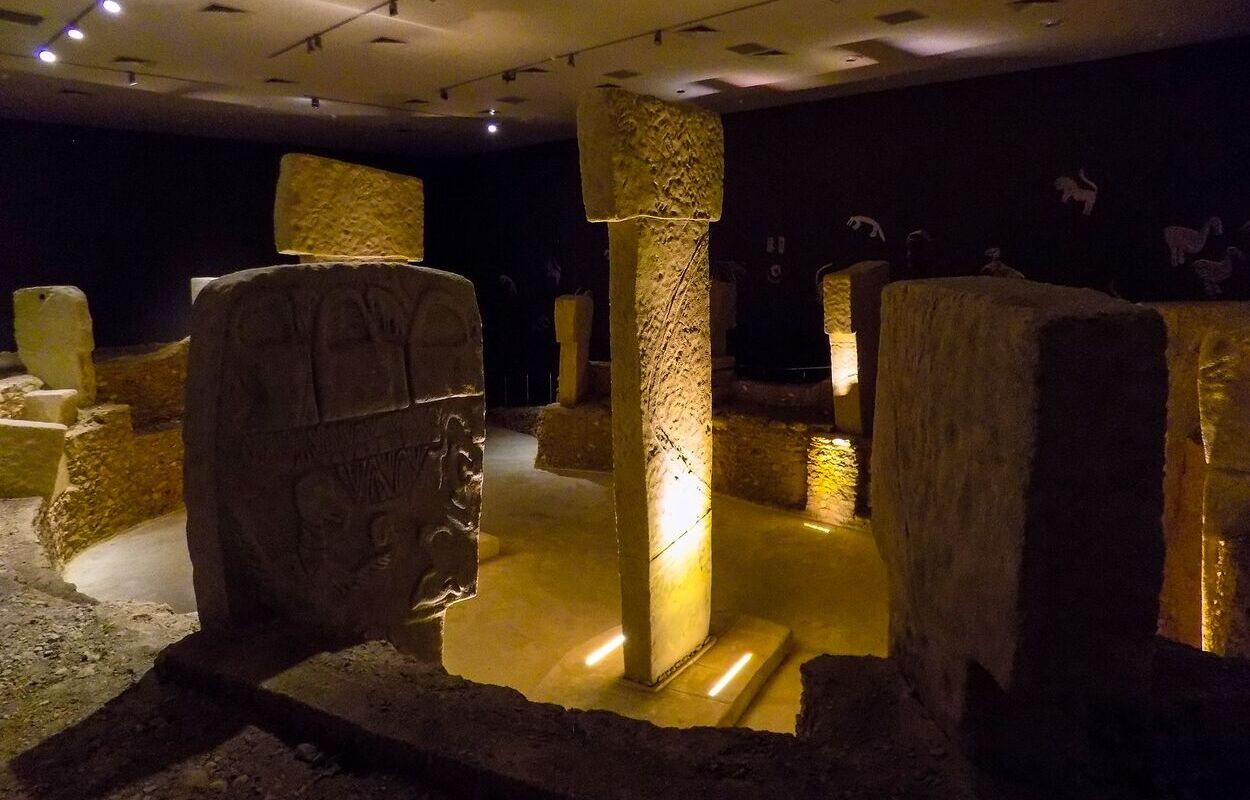
🏛️ Circular Stone Enclosures
Another essential part of the Top Attractions in Göbeklitepe is the series of circular and oval-shaped enclosures uncovered during excavations. These structures are thought to have served ceremonial or communal purposes rather than residential ones.
Each enclosure contains central pillars surrounded by smaller stones, creating a sacred architectural layout. Walking around these areas provides a rare opportunity to stand inside structures built thousands of years before Stonehenge or the Egyptian pyramids.
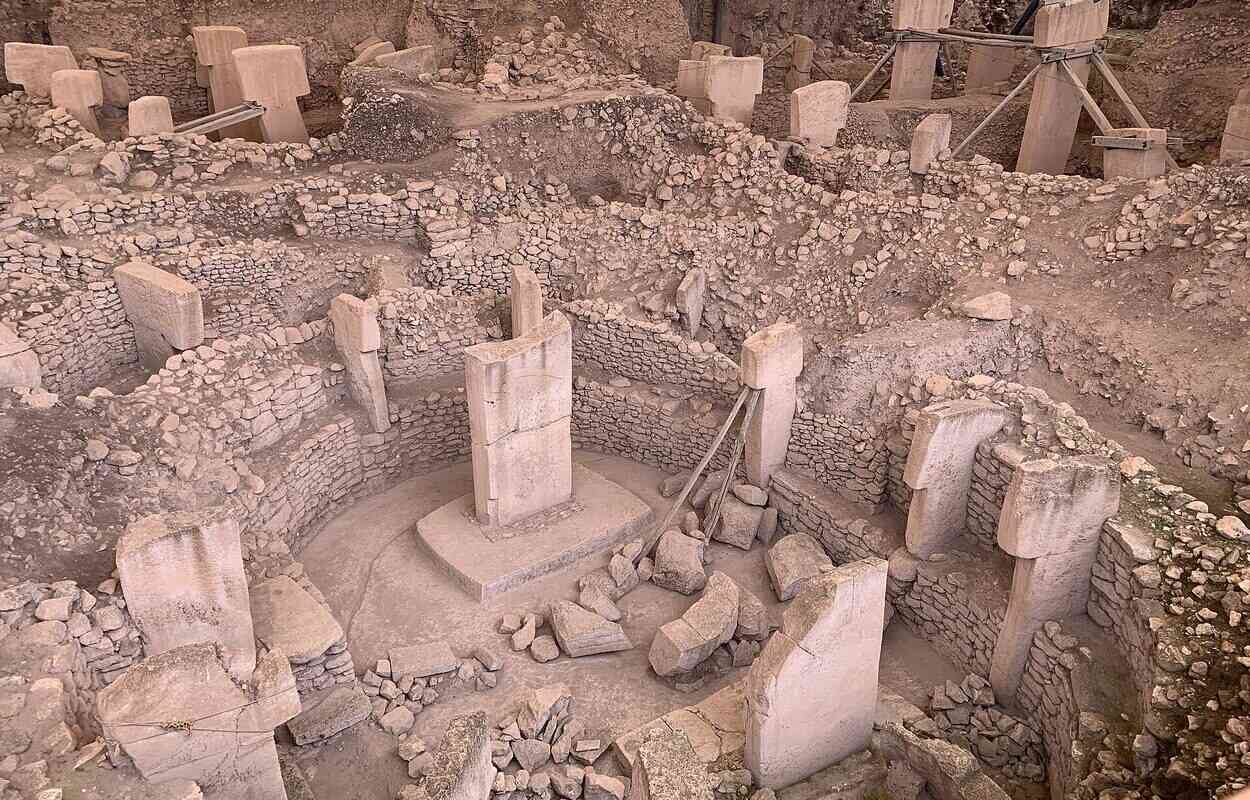
🐍 Animal Relief Sculptures
The detailed animal carvings found throughout Göbeklitepe make the site visually unique. Unlike later civilizations that focused on human figures, Göbeklitepe emphasizes wildlife symbolism.
Animals represented in reliefs include:
- 🦊 Foxes
- 🦂 Scorpions
- 🦅 Birds of prey
- 🐍 Snakes
- 🐗 Wild boars
These carvings contribute significantly to the fascination surrounding the Top Attractions in Göbeklitepe, suggesting ritualistic storytelling and symbolic communication among early societies.
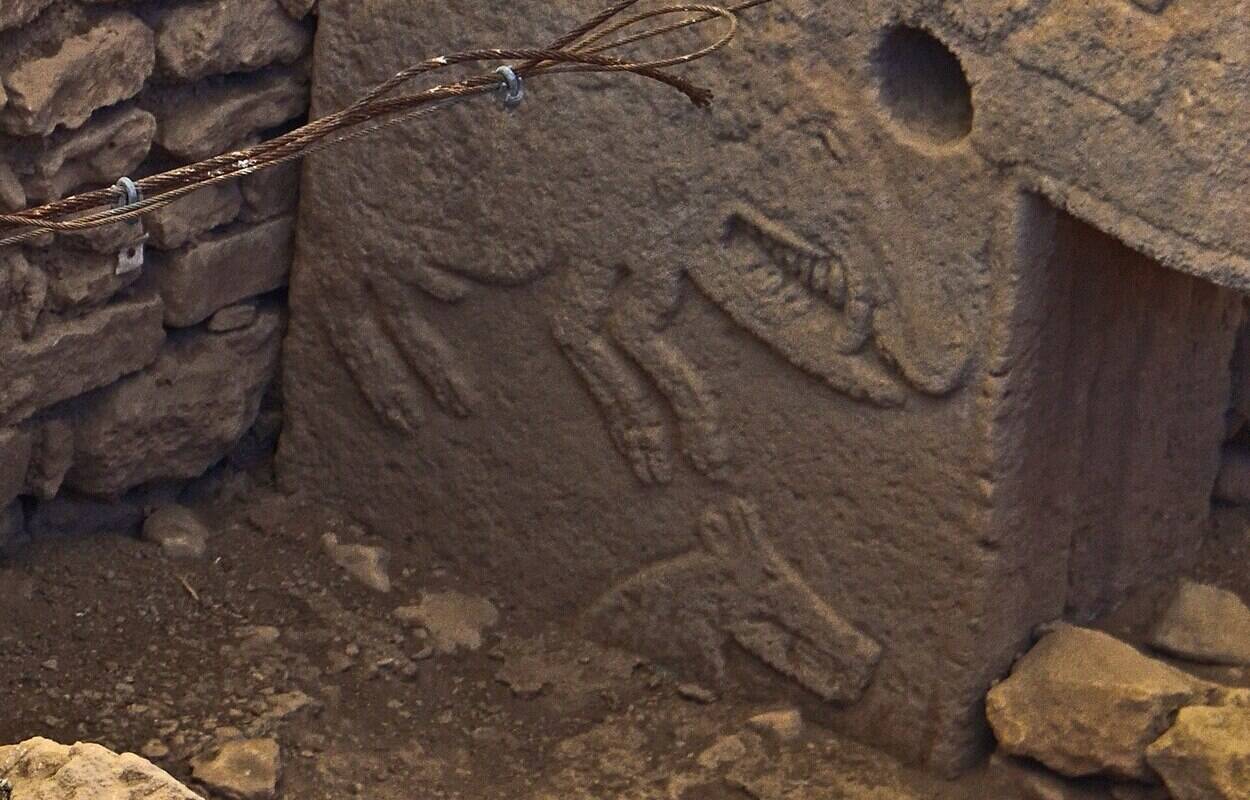
🔬 Excavation and Viewing Platforms
Modern viewing terraces allow visitors to observe ongoing archaeological work without disturbing the fragile structures. Elevated walkways provide excellent panoramic perspectives of the excavation zones.
These platforms enhance visitor understanding by revealing how much of Göbeklitepe remains buried. Archaeologists estimate that only a small portion of the site has been excavated so far, adding an element of mystery and anticipation.
🏗️ Protective Roof Structure
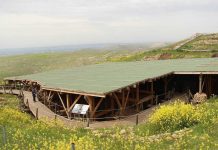
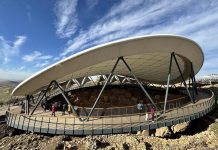
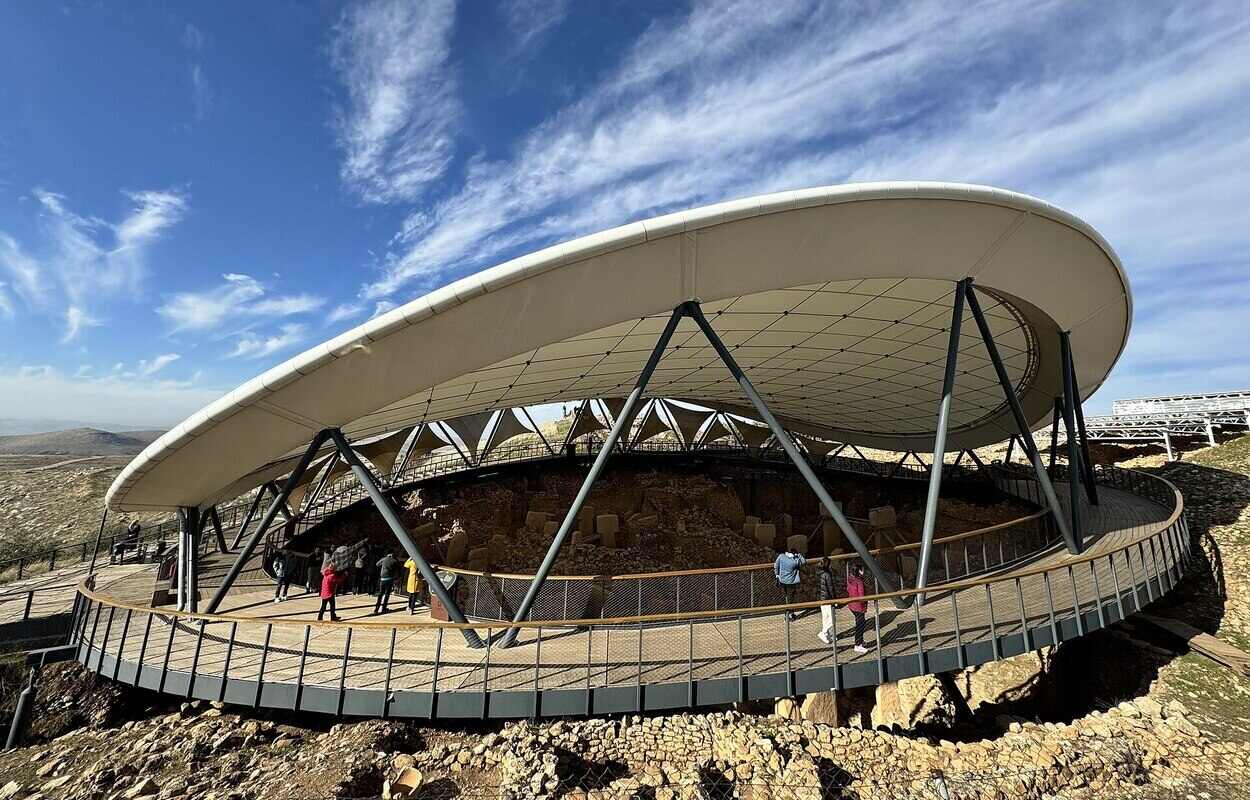
A large modern shelter covers the main excavation area to protect the ancient pillars from weather damage. This architectural addition ensures preservation while maintaining visibility for visitors.
The roof also improves the visitor experience by offering shade, making exploration comfortable even during warmer seasons.
📖 Visitor Information Center
Before entering the archaeological area, travelers encounter an informative visitor center explaining the discovery and significance of the site. Interactive displays, models, and educational panels help visitors contextualize what they see outdoors.
Understanding the historical background enhances appreciation of the Top Attractions in Göbeklitepe and clarifies why the site changed archaeological theory worldwide.
🌄 Panoramic Landscape Views
Göbeklitepe sits atop a hill overlooking the Harran Plain, offering wide panoramic views of the surrounding landscape. These views help visitors imagine why ancient people selected this elevated location for ritual gatherings.
Sunrise and sunset provide particularly dramatic scenery, blending natural beauty with prehistoric history.
🏺 Nearby Şanlıurfa Archaeology Museum
Although technically outside the excavation site, the nearby museum is closely connected to the Top Attractions in Göbeklitepe. Artifacts discovered during excavations are displayed here, including statues, tools, and reconstructions.
The famous “Urfa Man” statue, one of the oldest life-sized human sculptures ever discovered, provides additional insight into the cultural world surrounding Göbeklitepe.
📸 Photography Spots
Photography enthusiasts will find numerous compelling angles throughout the site. Elevated walkways, symmetrical stone arrangements, and natural lighting conditions create exceptional visual compositions.
- 📷 Central pillar alignments
- 📷 Animal relief close-ups
- 📷 Wide landscape panoramas
These photographic opportunities are among the most memorable Top Attractions in Göbeklitepe for modern travelers.
✨ Spiritual Atmosphere and Cultural Significance
Beyond physical structures, one of the most powerful attractions is the atmosphere itself. Göbeklitepe represents humanity’s earliest known monumental ritual space, built by hunter-gatherer societies long before cities or agriculture.
Standing among the pillars often creates a profound sense of connection to early human history. Visitors frequently describe the experience as both educational and deeply emotional.
🎒 Practical Tips for Exploring the Top Attractions in Göbeklitepe
- ✔ Allocate at least 2 hours for exploration.
- ✔ Wear comfortable walking shoes.
- ✔ Visit early morning or late afternoon.
- ✔ Combine your visit with Şanlıurfa city attractions.
- ✔ Bring water and sun protection.
🌟 Final Thoughts on Top Attractions in Göbeklitepe
Exploring the Top Attractions in Göbeklitepe means stepping into a period long before written history. From monumental pillars to symbolic carvings and panoramic landscapes, every element contributes to understanding humanity’s earliest spiritual expressions.
Göbeklitepe continues to reshape historical narratives, making it not only a travel destination but a milestone in human heritage. Whether you are a history enthusiast, cultural traveler, or curious explorer, this extraordinary site promises an unforgettable journey into the origins of civilization.